Coordinated Wave of Hoax Bomb Threats Disrupts European Aviation and Media
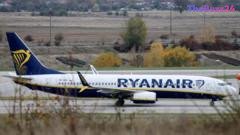
A widespread series of security threats has caused significant disruption across Europe, targeting both major airline carriers and prominent media organizations. On Friday, multiple flights operating to and from Lisbon, Rome, Prague, and Sofia were subjected to security alerts, forcing emergency responses that included the deployment of Hungarian fighter jets to escort three commercial aircraft. Despite the intensity of the response, no explosives have been discovered, and all affected flights have landed safely.
Simultaneously, a separate but potentially linked wave of threats targeted several high-profile media outlets. Broadcasters and news organizations, including RTÉ in Ireland, Sky, and various Dublin-based radio stations, were forced to evacuate their headquarters following security warnings. While authorities have not yet confirmed a direct connection between the aviation threats and those directed at the media, government officials are treating the situation as a likely coordinated campaign of disruption designed to incite fear and chaos.
This latest incident follows a similar pattern observed earlier in the week, where nearly 30 aircraft and multiple airports across the continent were impacted by what officials have characterized as malicious hoaxes. While the Russian extremist group ‘Male State’ has been mentioned in connection with previous threats, the group has publicly denied any involvement. As investigations continue, European authorities remain on high alert, emphasizing that the primary objective of these actions is to cause distress and operational instability across critical infrastructure.
Key Takeaways
- A series of coordinated hoax bomb threats has disrupted air travel and media operations across multiple European countries.
- Despite the security alerts and emergency responses, including fighter jet escorts, no explosives have been found, and no injuries have been reported.
- Authorities are investigating the incidents as a potential campaign of disruption, though the perpetrators remain unidentified.
Editor’s Analysis & Impact
The recent surge in coordinated hoax threats against European infrastructure represents a sophisticated form of ‘asymmetric disruption.’ By targeting both the aviation sector and the media, the perpetrators are effectively weaponizing fear to paralyze public services and generate widespread anxiety without the need for physical violence. From a market perspective, these incidents impose significant operational costs on airlines and broadcasters, ranging from fuel consumption for emergency diversions to lost productivity during evacuations. The broader implication is a challenge to European security protocols; as these hoaxes become more frequent, authorities must balance the necessity of public safety with the need to prevent economic paralysis. Future outlooks suggest that unless the source of these coordinated attacks is identified and neutralized, the aviation and media industries may face increased insurance premiums and the necessity for more costly, permanent security hardening measures.
Frequently Asked Questions
Q: Were any explosives found during the recent wave of threats?
A: No. Authorities have confirmed that no explosives were found on any of the targeted aircraft or at the evacuated media facilities, leading officials to classify the incidents as malicious hoaxes.
Q: Is there a known group responsible for these threats?
A: As of now, the perpetrators remain unidentified. While the Russian extremist group 'Male State' was linked to earlier threats against Italian airports, the group has publicly denied any involvement in the current wave of alerts.
AI Disclosure: This article is based on verified data and official reports. Our Team and AI have cross-referenced every financial detail with primary sources to ensure total accuracy.
More from this Category