2028 Presidential Race: Midterm Elections Offer Glimpse into Future White House Contenders
As the dust settles on the recent US midterm elections, political strategists and observers are already shifting their focus to the 2028 presidential contest. While the final vote counts are ongoing, the outcomes have illuminated potential pathways and challenges for aspiring candidates, particularly within the Democratic Party, which appears poised to leverage its congressional gains.
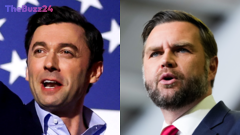
The midterm results have highlighted several prominent figures who could emerge as key players in the next presidential cycle. Democratic Senators like Jon Ossoff, who secured a significant victory in a competitive state, and Governors such as Josh Shapiro and JB Pritzker, have bolstered their national profiles through successful campaigns. These individuals, while not officially declared candidates, have demonstrated broad appeal and the ability to navigate complex political landscapes, positioning them as potential contenders for the Democratic nomination.
On the Republican side, the landscape appears more complex. Vice President JD Vance’s public reflections on the party’s midterm performance, particularly his critique of a foreign policy decision, suggest a strategic positioning for a future run, potentially distancing himself from electoral setbacks. However, this also places him and other allies of the former administration, like Secretary of State Marco Rubio, under scrutiny. The election results indicate a potential voter sentiment against the previous administration’s actions, creating pressure for those closely associated with it. Figures like Senator Ted Cruz and Governor Ron DeSantis have also voiced critiques and offered alternative strategies, signaling internal party debates about the path forward.
The internal dynamics of both major parties are also being shaped by the midterm outcomes. The Democratic Party is witnessing a push from both its progressive and centrist wings, each claiming success and identifying potential champions for 2028. The victories of candidates like Michigan’s El-Sayed are seen as validation for more progressive, populist approaches, while the gains made by moderate Democrats suggest a continued appetite for pragmatic, bipartisan appeal. For Republicans, the need to re-evaluate their coalition, particularly concerning Hispanic voters, is evident. The shifting demographics and voting patterns observed in states like Texas underscore the necessity for parties to actively court diverse electorates rather than relying on traditional strongholds.
Key Takeaways
- Midterm election results are already influencing the strategies and profiles of potential 2028 presidential candidates.
- Democratic party figures like Jon Ossoff, Josh Shapiro, and JB Pritzker have enhanced their national standing.
- Republican hopefuls, including JD Vance and Marco Rubio, face pressure due to the party's performance and potential voter sentiment against the previous administration.
Editor’s Analysis & Impact
The recent midterm elections have served as a significant inflection point, not just for the immediate political landscape but more crucially, for the nascent 2028 presidential race. The outcomes underscore a dynamic environment where electoral success in midterms can propel individuals into national prominence, while also highlighting the challenges of navigating party legacies and shifting voter coalitions. For Democrats, the apparent momentum from congressional gains offers a strong foundation for potential contenders, emphasizing the need to balance progressive and centrist appeals. Republicans, conversely, are grappling with internal divisions and the imperative to redefine their message, particularly to key demographic groups. The long-term implications suggest a highly competitive and potentially unpredictable election cycle, where adaptability and broad appeal will be paramount.
Frequently Asked Questions
Q: Which Democratic politicians emerged as strong potential candidates after the midterms?
A: Prominent figures like Georgia Senator Jon Ossoff, Pennsylvania Governor Josh Shapiro, and Illinois Governor JB Pritzker have seen their national profiles boosted by successful midterm campaigns, positioning them as potential contenders for the 2028 presidential race.
Q: What challenges do Republicans face in the lead-up to 2028?
A: Republicans are facing pressure from potential voter dissatisfaction with the previous administration's actions, leading to scrutiny for figures closely associated with it, such as JD Vance and Marco Rubio. The party also needs to re-evaluate its messaging and coalition-building, especially with Hispanic voters.
Q: How are the different wings of the Democratic Party reacting to the midterm results?
A: Both the progressive and centrist factions of the Democratic Party are claiming victories and identifying potential candidates for 2028. Progressive wins are seen as validation for populist approaches, while centrist successes suggest a continued appeal for pragmatic, bipartisan candidates.
AI Disclosure: This article is based on verified data and official reports. Our Team and AI have cross-referenced every financial detail with primary sources to ensure total accuracy.
More from this Category