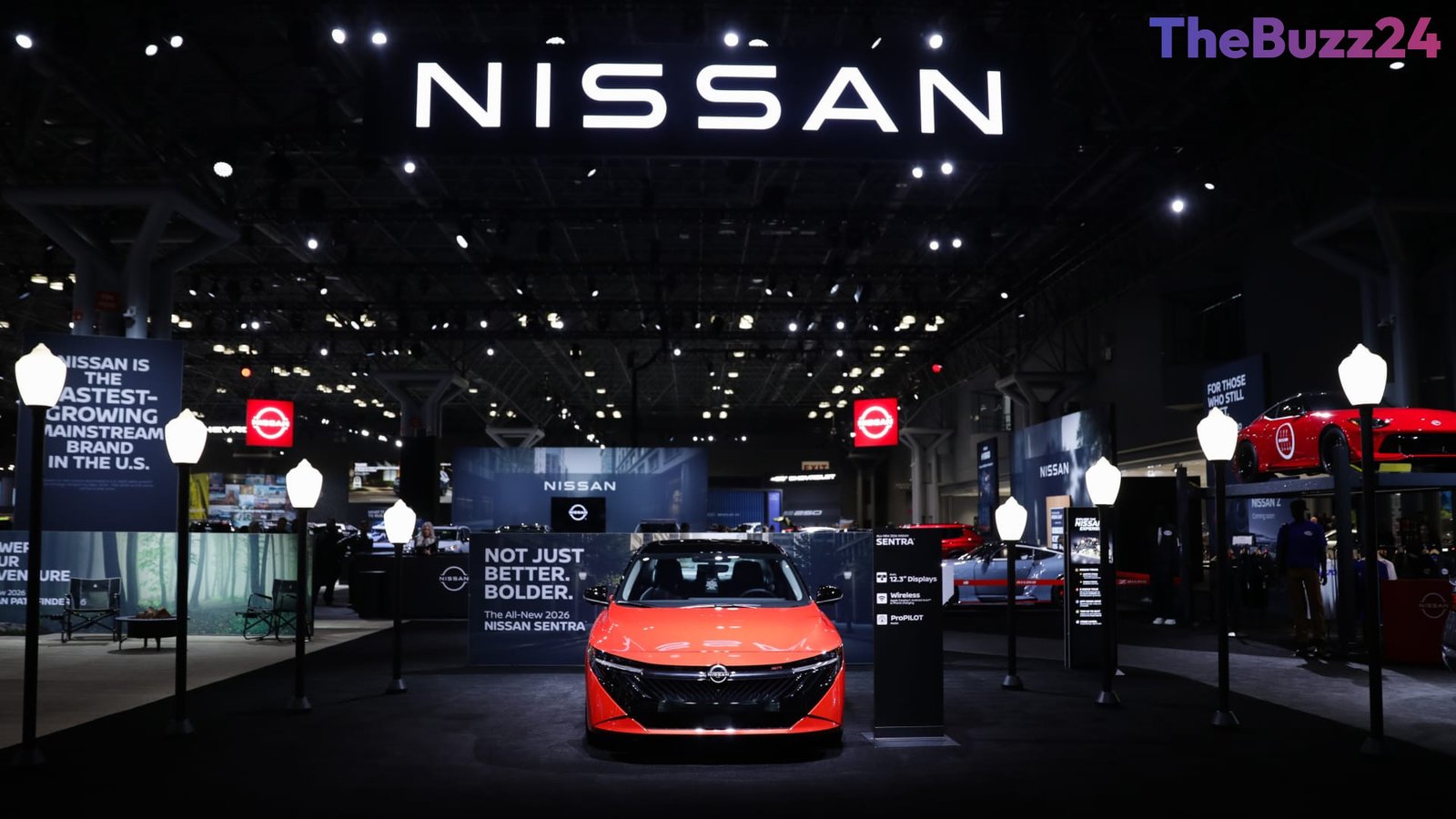
Nissan Expands U.S. Manufacturing Footprint Ahead of 2027 Rogue Hybrid Launch
Nissan Motor is actively evaluating plans to scale up its domestic manufacturing footprint in the United States, anchored by the upcoming rollout of the 2027 Rogue crossover. Leadership anticipates that maximizing current facility capacities could pave the way for additional shifts and significant job creation across key regional manufacturing hubs.
The centerpiece of this expansion strategy is the introduction of a new hybrid variant of the popular Rogue model, featuring the company’s distinct e-Power technology. Designed specifically to resonate with American drivers seeking alternatives to fully electric vehicles, this series hybrid utilizes a gasoline engine purely as a generator to power electric motors without requiring an external electrical plug. Initially, these hybrid models will be imported to accelerate market entry, with domestic assembly slated to commence following the spring release of the traditional gasoline-powered version.
By optimizing operations at its major assembly complexes in Tennessee and Mississippi, the automaker aims to nearly double its annual U.S. production capacity over the coming years. This domestic push aligns with broader corporate objectives to achieve a localized production target of 80 percent by the end of the decade, bypassing the immediate need for costly greenfield facility investments while navigating evolving consumer demands and competitive pressures in the small crossover segment.
Key Takeaways
- Nissan is weighing the addition of a third shift at its U.S. assembly plants to support surging demand and the 2027 Rogue rollout.
- The new 2027 Rogue features e-Power technology, a series hybrid system that acts like an extended-range EV without requiring a plug.
- The company aims to boost annual U.S. production to roughly 1 million units by focusing on domestic manufacturing efficiencies rather than building new factories.
Editor’s Analysis & Impact
Nissan’s strategic pivot toward hybrid technology in the U.S. market represents a pragmatic adjustment to shifting consumer preferences and regulatory environments. By bypassing heavy capital expenditures on entirely new manufacturing facilities and instead optimizing existing assembly lines in Tennessee and Mississippi, Nissan is demonstrating operational agility. The introduction of the e-Power system bridges the gap for drivers hesitant to fully adopt battery-electric vehicles while navigating infrastructure challenges. If successful, this manufacturing expansion and localized production strategy could significantly bolster Nissan’s market share in the highly competitive compact crossover segment against established rivals like Toyota and Honda, providing a much-needed catalyst for the company’s ongoing global turnaround.
Frequently Asked Questions
Q: What is Nissan's e-Power technology?
A: The e-Power system is a series hybrid where an internal combustion engine acts strictly as a generator to power the vehicle's electric motors. It operates similarly to an extended-range electric vehicle but features a smaller battery and does not require a plug to charge.
Q: When will the 2027 Rogue hybrid be available in the U.S.?
A: Nissan plans to initially import the hybrid variants from Japan to accelerate market availability, with traditional gas-engine production launching in the spring followed by domestic hybrid assembly next year.
Q: Does Nissan plan to build any new manufacturing plants in the U.S.?
A: Currently, Nissan has no plans to build a new factory. The company believes it can achieve its production goals by maximizing capacity and adding shifts to its existing assembly plants in Tennessee and Mississippi.
AI Disclosure: This article is based on verified data and official reports. Our Team and AI have cross-referenced every financial detail with primary sources to ensure total accuracy.
More from this Category