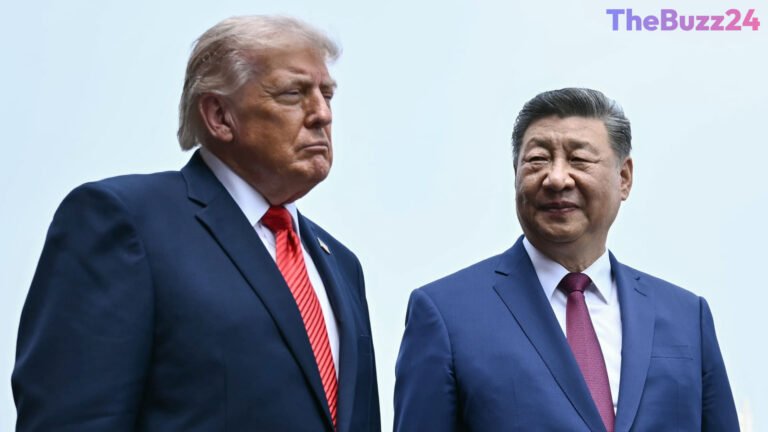
Trump to Push Zelenskyy for Energy Truce as Global Diesel Prices Surge Past $6.50
U.S. President Donald Trump is set to hold a high-stakes meeting with Ukrainian President Volodymyr Zelenskyy on the sidelines of the United Nations General Assembly in New York. The primary focus of the discussions will center on brokering an energy truce between Kyiv and Moscow. Trump has expressed deep concern over the global economic fallout of the conflict, pointing out that Russia has effectively lost control of its diesel oil industry due to relentless Ukrainian drone strikes targeting key refineries.
The push for a ceasefire on energy infrastructure comes as global fuel markets face severe strain. Retail diesel prices in the United States have soared past $6.50 a gallon for the first time, driven by supply disruptions stemming from both the Eastern European conflict and ongoing tensions involving Iran. Trump has publicly criticized the targeting of Russian refineries, arguing that these strikes disrupt global supply chains and drive up energy costs worldwide. He reiterated his stance on social media, calling for an immediate end to the war and highlighting the heavy human toll of the conflict.
In response, Zelenskyy indicated that Ukraine is open to discussing de-escalation measures with Washington, but emphasized that any agreement must be mutual. Kyiv insists that Russia must first halt its systematic targeting of Ukraine’s critical energy grid and food export infrastructure before Ukraine curtails its defensive strikes. The tension remains high as Ukraine recently executed one of its largest drone operations against a refinery near Moscow, while Russia’s Defense Ministry has threatened massive retaliatory strikes on Ukrainian infrastructure ahead of the winter season.
Key Takeaways
- Donald Trump is urging Ukrainian President Volodymyr Zelenskyy to agree to an energy truce to stabilize global fuel markets.
- Ukrainian drone strikes on Russian refineries have severely disrupted Russia's diesel production, contributing to U.S. diesel prices exceeding $6.50 per gallon.
- Zelenskyy is open to de-escalation but demands that Russia first cease its attacks on Ukraine's critical infrastructure and food exports.
Editor’s Analysis & Impact
The diplomatic push by Donald Trump highlights the growing intersection between geopolitical conflicts and global energy security. By targeting Russian oil refineries, Ukraine has successfully disrupted Moscow’s economic engine, but the collateral damage is being felt globally through record-high diesel prices. For the U.S. and European economies, sustained fuel prices above $6.50 a gallon threaten to reignite inflationary pressures and increase transportation costs across all sectors. While an energy truce could offer immediate relief to global markets, achieving it remains highly complex. Kyiv views its strikes on Russian energy infrastructure as a vital asymmetric warfare tactic to deplete Moscow’s war chest. Consequently, any potential truce will require robust security guarantees that Russia will not exploit the pause to launch its own devastating winter strikes on Ukraine’s fragile power grid.
Frequently Asked Questions
Q: Why is Donald Trump pushing for an energy truce?
A: Trump argues that Ukrainian drone strikes on Russian oil refineries are disrupting global fuel supplies and driving up U.S. diesel prices to record highs, hurting the global economy.
Q: What is Ukraine's position on halting strikes on Russian refineries?
A: Ukraine considers Russian energy sites legitimate military targets. However, President Zelenskyy has stated that Kyiv would consider de-escalation steps if Russia stops targeting Ukraine's own energy infrastructure and food exports.
Q: How have global fuel prices been affected by these conflicts?
A: Due to the war in Ukraine and supply disruptions in the Middle East, U.S. retail diesel prices have climbed above $6.50 per gallon for the first time.
AI Disclosure: This article is based on verified data and official reports. Our Team and AI have cross-referenced every financial detail with primary sources to ensure total accuracy.
More from this Category