High Stakes Summit: Trump and Xi Confront Trade Tensions, AI Race, and Geopolitical Flashpoints
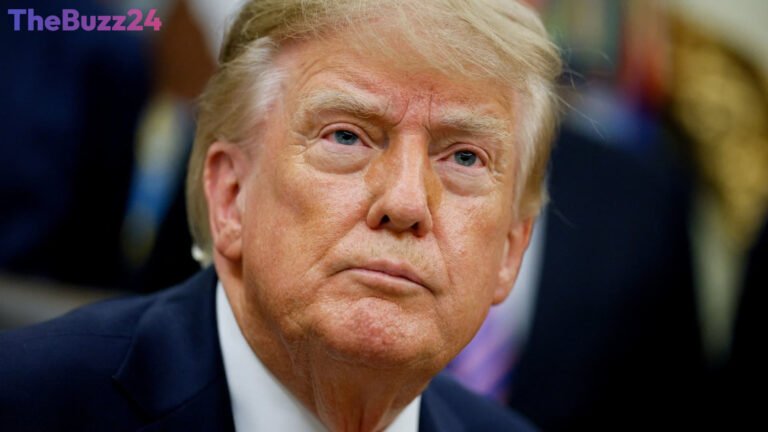
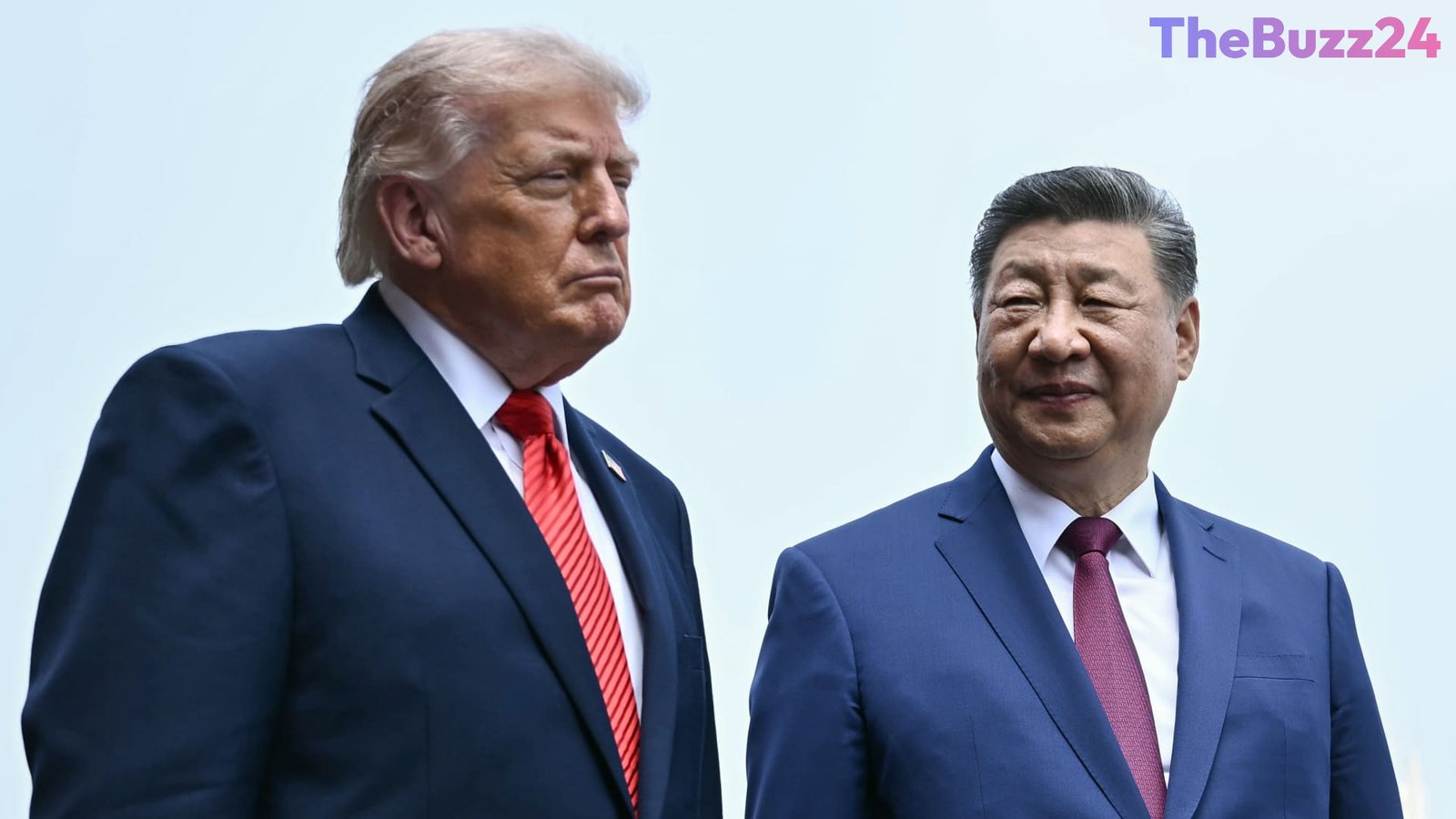
President Donald Trump and Chinese leader Xi Jinping are set to convene in Washington this week, aiming to bolster a delicate trade truce. Their face-to-face discussions are anticipated to navigate a complex array of challenges, including the escalating competition in artificial intelligence, the impact of U.S. sanctions related to Iran, and persistent disagreements over tariffs and export controls. This summit marks their second direct engagement this year, occurring amidst a backdrop of ongoing economic and geopolitical friction between the two global powers.
The current meeting builds upon previous efforts to de-escalate a protracted trade conflict that saw both nations impose significant tariffs on each other’s goods. While a temporary deal struck in Switzerland and a subsequent agreement in Busan, South Korea, led to some tariff reductions and commitments—such as China suspending rare earth export controls and increasing U.S. agricultural purchases—substantial duties remain in place. Analyses indicate that U.S. tariffs on Chinese imports, for instance, are among the highest for any major trading partner, with some estimates placing the average rate around 22.8% to 36.5%. Despite a notable decline in overall trade volume in recent years, China continues to be a critical economic partner for the United States, underscoring the importance of maintaining stability in their commercial relationship.
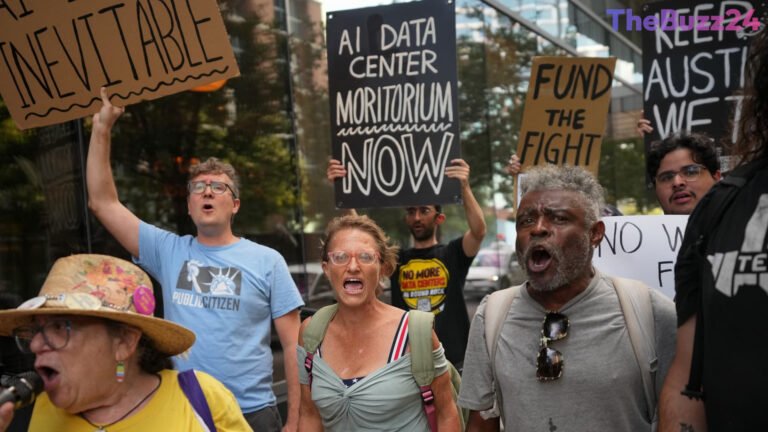
Beyond traditional trade issues, artificial intelligence is expected to feature prominently on the agenda. Both the U.S. and China are vying for leadership in this transformative sector, with President Trump emphasizing AI dominance as crucial for U.S. economic superiority. Discussions may explore establishing a dialogue for mutual notification regarding AI incidents, signaling a potential shift towards managing the technology’s risks. Furthermore, the U.S. administration’s intensified economic pressure on Iran, particularly targeting its financial enablers, casts a shadow over the talks, given China’s role as a major trading partner for Tehran. Officials have confirmed that these sanctions were a subject of prior discussions with Chinese counterparts, highlighting the interconnectedness of global economic and security policies. Experts largely anticipate a limited outcome from the summit, with a one-year extension of the existing trade truce being a likely “base case,” alongside potential agreements for additional U.S. goods purchases, such as Boeing aircraft. However, significant breakthroughs on sensitive areas like advanced semiconductors or broader export control changes are not widely expected.
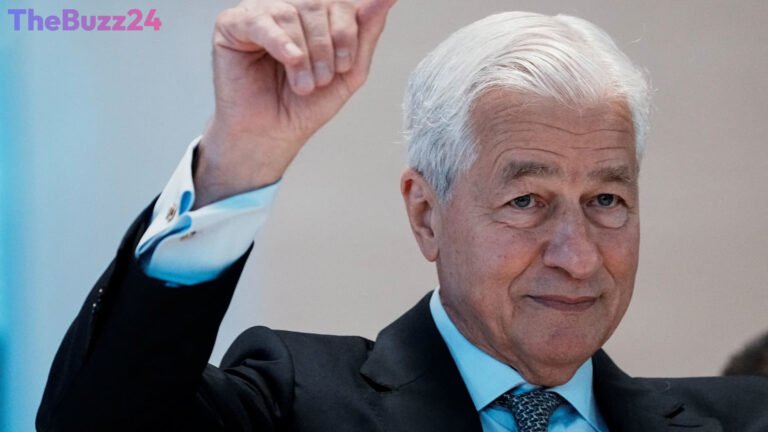
The summit is also notable for its high-level diplomatic engagement and the presence of numerous prominent business leaders. Executives from major U.S. companies, including Amazon’s Jeff Bezos, Tesla and SpaceX CEO Elon Musk, Google’s Sundar Pichai, Apple’s Tim Cook, JPMorgan Chase CEO Jamie Dimon, and OpenAI’s Sam Altman, are slated to attend a state dinner. This gathering of influential figures underscores the profound economic implications of the U.S.-China relationship. The event itself is planned as a lavish affair, featuring a presidential salute, a military review, and a multi-aircraft flyover, emphasizing the ceremonial significance of the leaders’ meeting.
Key Takeaways
- President Trump and Chinese leader Xi Jinping are meeting to stabilize a fragile trade truce, addressing tariffs, AI competition, and Iran sanctions.
- Despite previous agreements, significant tariffs remain, and trade volumes have declined, though China remains a crucial U.S. economic partner.
- The summit is expected to yield a limited one-year extension of the trade truce and potential U.S. goods purchases, with high-profile tech and finance executives attending.
Editor’s Analysis & Impact
The upcoming summit between President Trump and President Xi carries significant weight for global markets and industries. A successful extension of the trade truce, even if limited, could provide a temporary sense of stability, potentially boosting investor confidence in sectors heavily reliant on U.S.-China trade, such as agriculture, manufacturing, and technology. However, the underlying tensions surrounding AI dominance and geopolitical issues like Iran sanctions suggest that fundamental disagreements persist. The focus on AI highlights the growing strategic importance of technological leadership, indicating future policy battles over intellectual property, data governance, and supply chains. Companies operating in both markets will need to remain agile, adapting to potential shifts in trade policies and regulatory environments. The long-term outlook suggests continued strategic competition, with both nations seeking to reduce dependencies while cautiously managing immediate conflicts.
Frequently Asked Questions
Q: What are the primary goals of the Trump-Xi summit?
A: The main goals are to strengthen a fragile trade truce, address ongoing tariff disputes, and discuss critical issues such as artificial intelligence competition and U.S. sanctions related to Iran.
Q: What is the current state of U.S.-China trade relations?
A: Despite previous agreements that reduced some tariffs, both countries still maintain significant duties on each other's goods. Trade volumes have decreased, but China remains a vital economic partner for the U.S.
Q: What role will AI play in the discussions?
A: Artificial intelligence is a top agenda item, reflecting the U.S. and China's competition for leadership in the sector. Discussions may include establishing a dialogue for notifying each other about AI incidents and managing the technology's rapid development.
AI Disclosure: This article is based on verified data and official reports. Our Team and AI have cross-referenced every financial detail with primary sources to ensure total accuracy.
More from this Category