US Secures Greenland Security Deal, Reopening Cold War Base
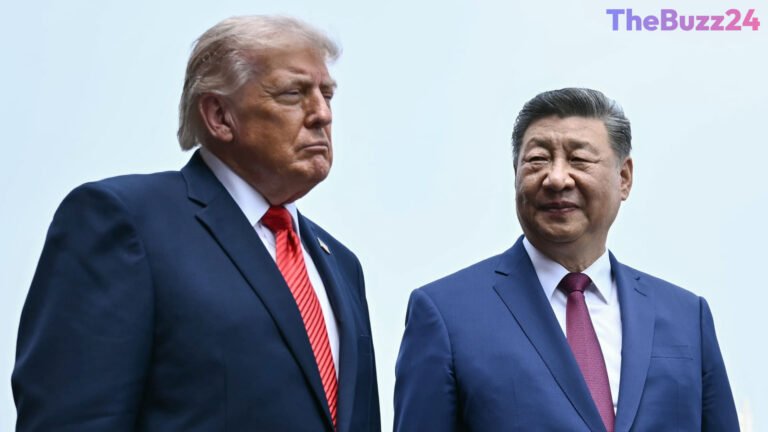
The United States is reportedly set to sign a significant security agreement with Greenland and Denmark, which will involve reopening a Cold War-era military base and establishing a U.S. military presence at a Danish outpost. This development follows President Donald Trump’s earlier, publicly stated desire for U.S. control over the strategically important Arctic island.
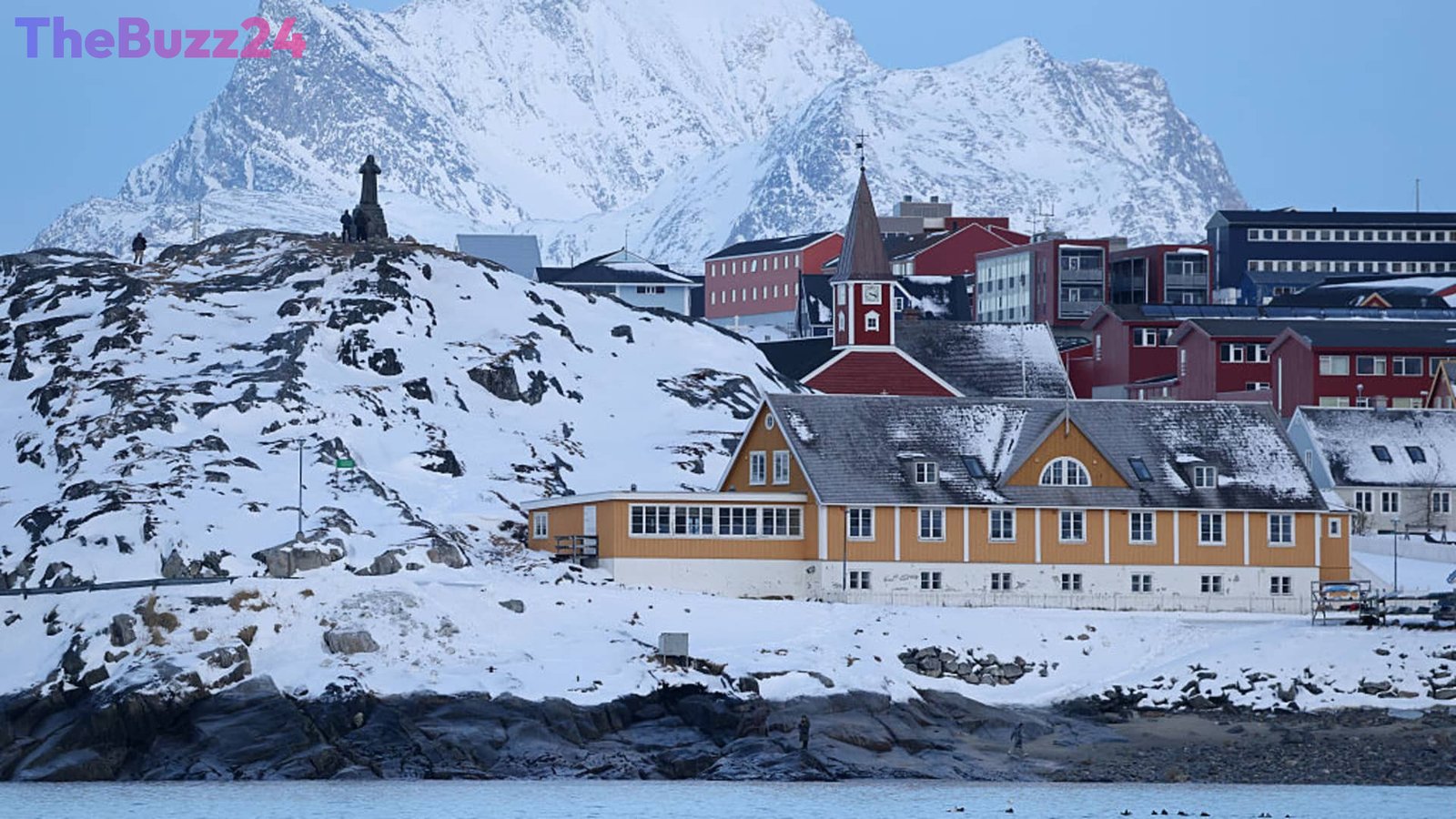
The agreement, expected to be formalized soon, will grant the U.S. “permanent control over security, and all other needs” within Greenland, according to President Trump. The pact includes plans to reopen the Narsarsuaq base, which the U.S. operated as Bluie West One until the 1950s, and to station forces at Mestersvig, an eastern outpost currently managed by the Danish Sirius Patrol. The exact terms of the agreement are not yet public but are anticipated to be finalized during the UN General Assembly in New York.
This move comes amid broader geopolitical shifts in the Arctic region, with retreating sea ice opening new shipping routes and access to valuable mineral resources. The agreement aims to bolster U.S. influence and prevent potential military or economic footholds by non-NATO nations, specifically mentioning China and Russia. Historically, the U.S. maintained a substantial military presence in Greenland during the Cold War, with 17 installations and over 10,000 personnel. Today, Pituffik Space Base remains the sole active U.S. station with approximately 150 personnel.
Greenland’s government has stated the deal will enhance its security and that of its allies, while Denmark’s Prime Minister has affirmed the pact respects Greenland’s sovereignty and the right to self-determination. U.S. Secretary of State Mike Pompeo has also been actively engaging with Arctic allies to encourage increased defense spending and the development of regional military and economic capabilities.
Key Takeaways
- The U.S. and Denmark/Greenland are finalizing a security agreement that includes reopening a Cold War base and establishing forces at a Danish outpost.
- The deal grants the U.S. 'permanent control over security' in Greenland, aiming to counter influence from non-NATO nations like China and Russia in the Arctic.
- The agreement is seen by Greenland and Denmark as a measure to strengthen regional security while respecting Greenland's sovereignty.
Editor’s Analysis & Impact
This security pact signifies a significant strategic move by the U.S. in the increasingly contested Arctic region. By securing a greater military presence and reopening historical bases, the U.S. aims to solidify its influence and deter geopolitical rivals like China and Russia. The deal’s emphasis on ‘permanent control over security’ suggests a long-term commitment to the area, driven by both strategic positioning and the region’s burgeoning economic potential due to climate change. While presented as a mutual security enhancement, the agreement also underscores the growing global competition for Arctic resources and dominance, potentially reshaping regional alliances and defense postures.
Frequently Asked Questions
Q: What is the significance of reopening Cold War-era bases in Greenland?
A: Reopening Cold War-era bases like Narsarsuaq allows the U.S. to re-establish a strategic military presence in Greenland, a location critical for Arctic defense and surveillance. It leverages existing infrastructure and historical operational knowledge to quickly bolster security capabilities in a region of growing geopolitical importance.
Q: Why is the U.S. interested in Greenland's security?
A: Greenland's strategic location in the Arctic makes it vital for U.S. national security, particularly as sea ice melts, opening new shipping lanes and access to resources. The U.S. seeks to ensure stability in the region and prevent potential military or economic expansion by rival powers like China and Russia.
Q: Does this agreement affect Greenland's autonomy?
A: Both Greenland and Denmark have stated that the agreement respects Greenland's sovereignty and right to self-determination. The pact is framed as a measure to enhance security for all parties involved, including Greenland itself, rather than an infringement on its autonomy.
AI Disclosure: This article is based on verified data and official reports. Our Team and AI have cross-referenced every financial detail with primary sources to ensure total accuracy.
More from this Category