Bill Gates-Backed Breakthrough Energy Selects 21 Startups to Power the Future
As global infrastructure races to keep pace with the massive power demands of artificial intelligence and widespread industrial electrification, the climate-focused investment firm Breakthrough Energy has unveiled its latest cohort of innovative companies. The organization’s Fellows program has selected 21 early-stage startups working on everything from advanced nuclear fusion and high-efficiency semiconductors to novel agricultural tools and climate adaptation technologies.
While current headlines frequently spotlight the immediate power needs of modern data centers, industry leaders view this surge as merely a precursor to a much larger systemic shift. Experts project that as nations aggressively electrify transportation, heating, and manufacturing to curb carbon emissions, overall electricity demand could triple in the coming decades. To prepare for this massive energy expansion, Breakthrough Energy continues to back high-risk, high-reward ventures capable of fundamentally transforming the global energy landscape.
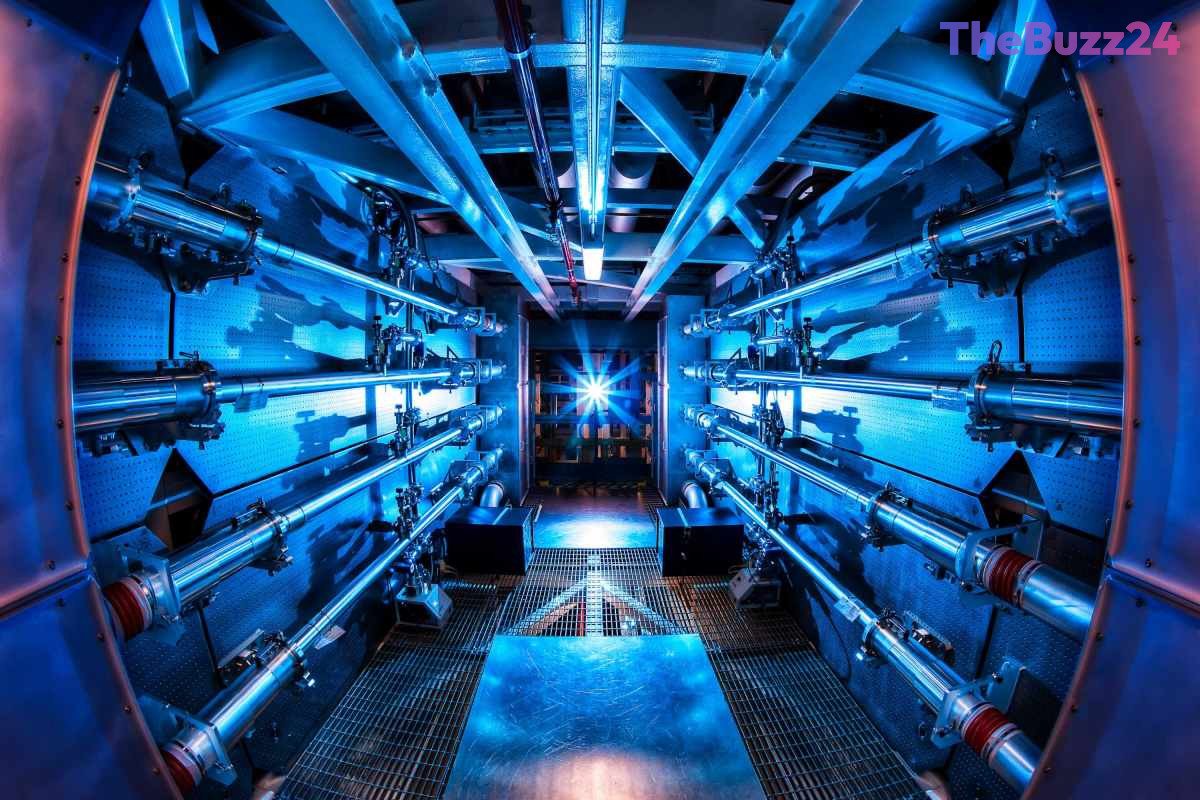
The newly announced cohort features several ambitious bets, including nuclear fusion pioneers Borealis Fusion and StarWarden, which are tackling proton-boron fuel and advanced thermal management for next-generation reactors. Additionally, semiconductor innovators like Bedrock Semiconductor, K1 Semiconductor, and VariFlux are developing methods to significantly lower the production costs and boost the efficiency of critical power electronics. Other supported ventures are targeting hard-to-decarbonize sectors, exploring hydrogen transport via ammonia and pioneering robotics designed to harvest ocean-floor minerals with minimal environmental disruption.
Beyond pure decarbonization, a notable portion of this year’s fellows are focusing on climate adaptation technologies. Acknowledging that the transition to a net-zero economy will require more time and face greater hurdles than initially anticipated, these startups aim to help human society build resilience against an already warming planet.
Key Takeaways
- Breakthrough Energy has selected 21 early-stage startups for its sixth annual Fellows program to tackle future power demands and climate challenges.
- The new cohort includes ventures working on proton-boron nuclear fusion, advanced semiconductor efficiency, and hydrogen transportation via ammonia.
- Recognizing the hurdles of rapid decarbonization, the latest group of startups also heavily features climate adaptation technologies.
Editor’s Analysis & Impact
The latest cohort selected by Breakthrough Energy highlights a pragmatic and multifaceted approach to the unfolding global energy crisis. As artificial intelligence workloads expand and industrial sectors undergo massive electrification, the inadequacy of existing power infrastructure becomes glaringly apparent. By funding high-risk, frontier technologies—ranging from proton-boron fusion to ammonia-based hydrogen logistics—the initiative is deliberately targeting the bottlenecks of tomorrow rather than just treating current symptoms. Furthermore, the inclusion of climate adaptation technologies signals a mature shift in venture philanthropy, recognizing that mitigation alone is no longer sufficient. If even a fraction of these 21 startups achieve commercial viability, they could radically reshape semiconductor economics, grid efficiency, and heavy industry, providing crucial leverage for a sustainable global economy over the next several decades.
Frequently Asked Questions
Q: What is the primary goal of the Breakthrough Energy Fellows program?
A: The program supports early-stage startups working on high-risk, high-reward technologies in energy, agriculture, and climate adaptation to help shape the future of sustainable infrastructure.
Q: Why is electricity demand expected to surge in the coming decades?
A: Electricity demand is forecast to increase significantly due to the rapid expansion of AI data centers and the widespread electrification of entire economic sectors to reduce carbon emissions.
Q: What are some of the key technologies being developed by this year's cohort?
A: The startups are focusing on diverse technologies including proton-boron nuclear fusion, high-efficiency semiconductors, molecular agriculture sensing, ocean-floor mineral robotics, and ammonia-based hydrogen transport.
AI Disclosure: This article is based on verified data and official reports. Our Team and AI have cross-referenced every financial detail with primary sources to ensure total accuracy.
More from this Category