Trump Addresses Global Security, AI Dominance, and Foreign Policy at UN General Assembly
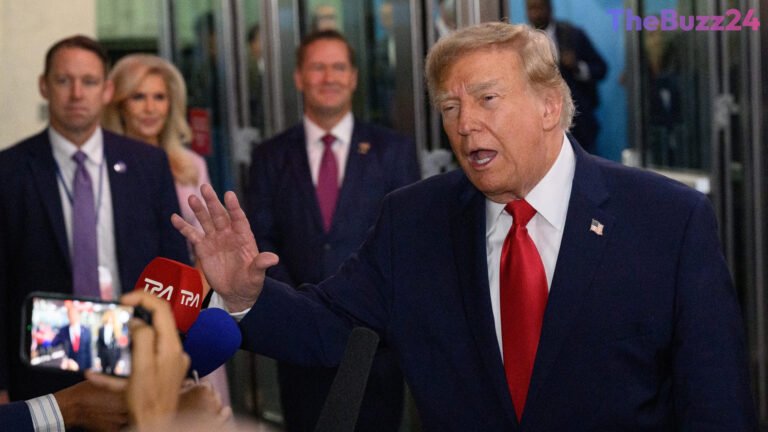
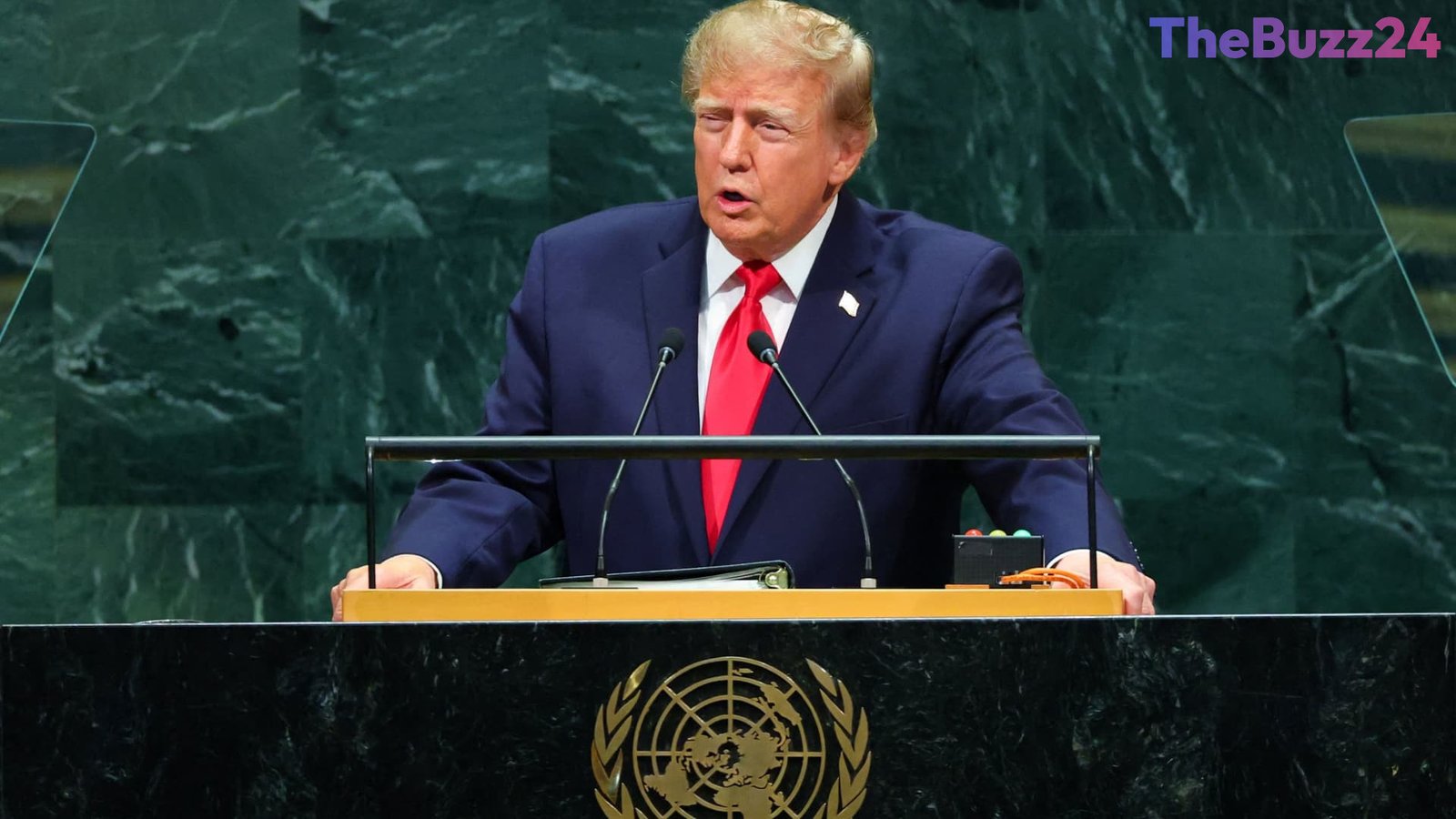
During a recent address to the United Nations General Assembly in Manhattan, President Donald Trump outlined a robust foreign policy agenda, emphasizing national security interests and the necessity of maintaining American technological superiority. The President utilized the platform to address ongoing conflicts, specifically defending the current military engagement with Iran. He asserted that the primary objective remains preventing Iran from acquiring nuclear capabilities, suggesting that a resolution to the conflict may be forthcoming following the upcoming midterm elections.
Beyond the Middle East, the President turned his attention to the Western Hemisphere, labeling Cuba a “failed state” and vowing to prevent the spread of radical ideologies within the region. This stance was accompanied by a reaffirmation of the administration’s commitment to using military force to protect vital national interests. Additionally, the President highlighted a newly established military agreement with Greenland and Denmark, which he described as a strategic asset for the defense of both the American continent and European allies.
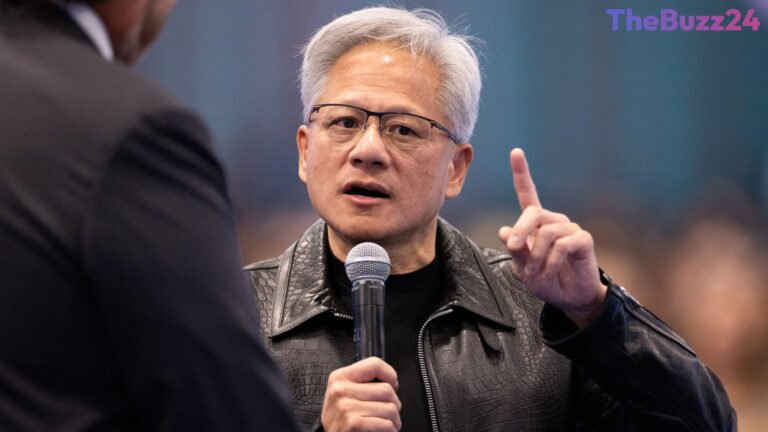
On the domestic and technological front, the President addressed the rapid evolution of artificial intelligence, which he proposed rebranding as “super intelligence.” Rejecting calls for stringent regulatory guardrails that might impede progress, he argued that maintaining a lead over international competitors, particularly China, is essential for global dominance. While acknowledging the need for responsible development, he emphasized that the administration intends to foster growth in the sector rather than stifle it, comparing the potential impact of AI to that of the Industrial Revolution.
Key Takeaways
- President Trump defended the ongoing military conflict with Iran, citing the prevention of nuclear proliferation as the primary goal.
- The administration secured a new military agreement with Greenland and Denmark to bolster defense capabilities in the Western Hemisphere and Europe.
- The President expressed a strong preference for minimal regulation of artificial intelligence to ensure the U.S. maintains a competitive advantage over China.
Editor’s Analysis & Impact
The President’s UN address signals a pivot toward a ‘peace through strength’ doctrine that prioritizes uninhibited technological advancement and aggressive regional security. By framing AI as a critical component of national power, the administration is setting the stage for a geopolitical race where regulatory restraint is viewed as a strategic weakness. The dismissal of concerns regarding AI safety, coupled with a hardline stance on Cuba and Iran, suggests that the administration will continue to prioritize unilateral action over multilateral consensus. Economically, the President’s assertion that energy prices will stabilize post-conflict places significant pressure on the administration to deliver a swift resolution to the Iranian situation, as inflation remains a sensitive issue for the domestic market. Investors should monitor how this ‘super intelligence’ policy influences future defense contracts and tech sector deregulation.
Frequently Asked Questions
Q: What is the administration's stance on AI regulation?
A: The President has indicated a preference for encouraging the growth of AI, which he refers to as 'super intelligence,' rather than imposing strict guardrails that could stifle innovation or hinder the U.S. lead over international competitors.
Q: What was the focus of the new military deal with Greenland and Denmark?
A: The agreement is intended to provide the United States with enhanced capabilities to defend the American continent, Europe, and other strategic regions.
AI Disclosure: This article is based on verified data and official reports. Our Team and AI have cross-referenced every financial detail with primary sources to ensure total accuracy.
More from this Category