Trump Delivers Ultimatum to Iran at UN While High-Level Talks Proceed Behind the Scenes
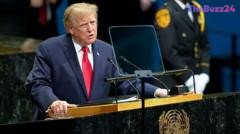
During a high-profile address at the United Nations General Assembly, President Donald Trump addressed a packed auditorium, outlining a stark ultimatum regarding the ongoing conflict with Iran. Asserting that he faces a critical choice between pursuing a comprehensive peace agreement or taking severe military action, the American leader warned that the Islamic Republic could face total annihilation if hostilities continue. The speech blended domestic political messaging with aggressive foreign policy stances, touching on economic achievements and national sovereignty while dismissing international governance frameworks.
Simultaneously, diplomatic channels remained active behind the scenes. High-ranking American officials, including special envoys, engaged in productive indirect negotiations with the Iranian delegation on the sidelines of the summit, utilizing Qatari mediators to bridge the gap between Washington and Tehran. While public rhetoric featured strong threats of overwhelming force, the parallel diplomatic efforts underscored a dual strategy of coercive diplomacy aimed at curbing regional tensions and addressing long-standing security concerns.
Beyond the Middle East, the presidential address touched upon several key global geopolitical priorities, including commitments to resolve the ongoing war in Ukraine and maintaining American technological dominance in artificial intelligence—which Trump suggested renaming to reflect its true capacity. Additionally, the diplomatic summit served as a backdrop for strategic regional agreements, such as a newly signed defense pact involving the US, Denmark, and Greenland to enhance security infrastructure in the North Atlantic.
Key Takeaways
- President Trump warned of potential military annihilation for Iran while keeping doors open for a prospective peace deal.
- US and Iranian representatives held indirect, high-level diplomatic talks on the sidelines of the UN General Assembly via Qatari mediation.
- Trump addressed global issues including the Ukraine war, artificial intelligence development, and a new military defense agreement concerning Greenland.
Editor’s Analysis & Impact
The intersection of aggressive public posturing and quiet back-channel diplomacy has long been a hallmark of contemporary international relations, yet the stakes in the Middle East elevate these dynamics significantly. President Trump’s UN address highlights a dual-track strategy: leveraging maximalist rhetoric for domestic political consumption and deterrence, while utilizing third-party mediators to explore viable diplomatic off-ramps. For global markets, particularly energy sectors sensitive to Middle Eastern instability, this volatility creates persistent pricing pressure. Furthermore, the administration’s broader policy shifts—ranging from technological competitiveness in AI to strategic military positioning in the Arctic through the Greenland accord—signal a concerted push toward bilateral strength and national sovereignty over multilateral consensus. Observers should monitor whether these indirect talks translate into tangible de-escalation or merely serve as a temporary pause in a protracted regional conflict.
Frequently Asked Questions
Q: What did President Trump say about Iran during his UN address?
A: Trump stated that he faces a major decision on whether to pursue a peace deal or completely annihilate the Islamic Republic if the conflict remains unresolved.
Q: Were US and Iranian officials communicating during the UN summit?
A: Yes, American and Iranian delegations held productive talks on the sidelines of the General Assembly through Qatari mediators.
Q: What other major agreements were signed during the summit?
A: President Trump signed a strategic defense agreement with Denmark and Greenland to enhance the US military presence on the North Atlantic island.
AI Disclosure: This article is based on verified data and official reports. Our Team and AI have cross-referenced every financial detail with primary sources to ensure total accuracy.
More from this Category