Iran Carries Out Executions Amidst Crackdown on ‘Armed Unrest’
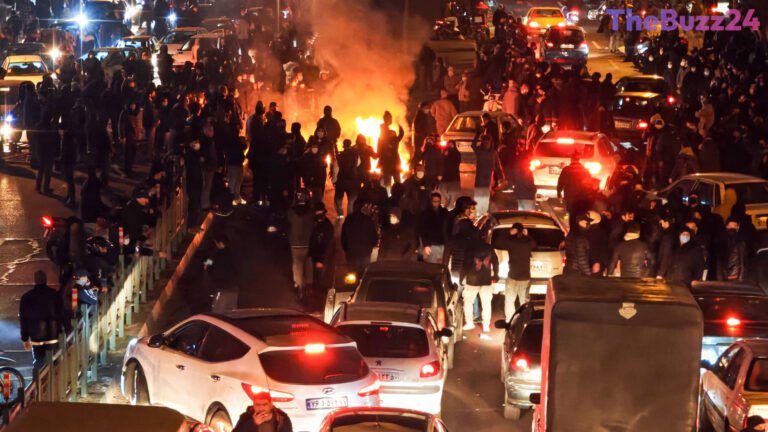
Iranian authorities have executed three men, identified as Hassan Dioband, Hamid Kazemi, and Reza Zanganeh, who were accused of involvement in armed disturbances during anti-government protests in January. State media reported that the men were convicted of offenses including the use of Molotov cocktails, grenades, firearms, and the arson of public property in Karaj, a city west of Tehran.
These executions mark the latest in a series of capital punishments linked to the widespread demonstrations. The convicted individuals were reportedly found guilty by the Supreme Court of collaborating with what Iranian authorities term “the Israeli Zionist regime, the United States, and hostile groups.” Allegations against them include participation in attacks that caused significant damage, such as an incident at an electricity substation that led to power outages.
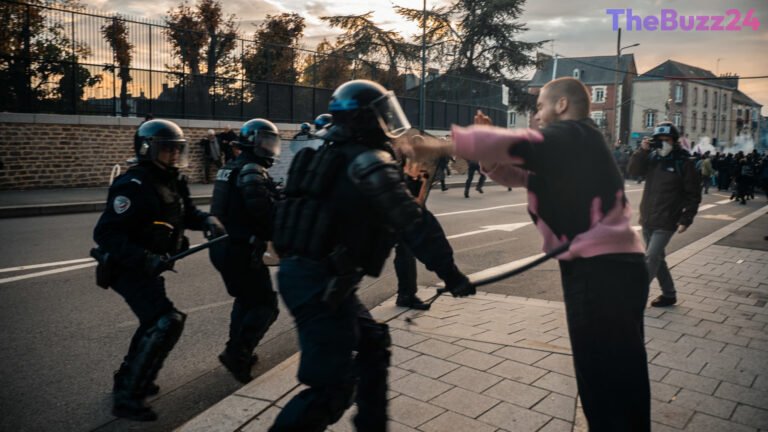
The protest movement, which initially began in December over economic grievances, escalated into broad anti-government demonstrations. Iranian officials stated that over 3,000 individuals were implicated in what they described as “terrorist acts” orchestrated by foreign adversaries. However, international human rights organizations and foreign-based NGOs have presented higher casualty figures and reported accounts of security forces firing on unarmed demonstrators.
The United Nations human rights chief has previously expressed alarm over the increasing number of death sentences in Iran. Reports indicate that Iran has one of the highest execution rates globally, with a significant number of these carried out on charges related to national security and political dissent.
Key Takeaways
- Iran has executed three men accused of armed unrest during January protests.
- The men were convicted of using weapons and damaging public property, allegedly in coordination with foreign entities.
- The executions are part of a broader crackdown linked to anti-government demonstrations, raising concerns from international human rights bodies.
Editor’s Analysis & Impact
The recent executions in Iran underscore the government’s continued firm stance against internal dissent, particularly following the widespread protests earlier this year. The accusations of foreign involvement suggest a narrative being promoted by the authorities to delegitimize opposition and consolidate power. This trend of increased executions, especially on national security-related charges, is likely to draw further condemnation from international human rights organizations and governments, potentially impacting diplomatic relations and economic sanctions. The long-term outlook points to a continued struggle between the Iranian state and its populace, with capital punishment remaining a significant tool in managing perceived threats.
Frequently Asked Questions
Q: What were the specific charges against the executed men?
A: The three men were accused of armed unrest, including throwing Molotov cocktails and grenades, using firearms, and setting fire to public facilities. They were also convicted of participating in activities on behalf of what Iranian authorities described as "the Israeli Zionist regime, the United States, and hostile groups."
Q: What was the context of the protests mentioned?
A: The protests initially began in December due to high living costs and evolved into widespread anti-government demonstrations that peaked in January. Iranian authorities blamed "terrorist acts" orchestrated by the US and Israel for the violence.
Q: What is Iran's standing regarding executions globally?
A: Iran is considered one of the countries with the highest execution rates in the world, often ranking second only to China. Reports indicate a significant number of executions are carried out on charges related to national security and political dissent.
AI Disclosure: This article is based on verified data and official reports. Our Team and AI have cross-referenced every financial detail with primary sources to ensure total accuracy.
More from this Category