France Faces Fourth Weekend of Unrest as Protests Over Living Costs Persist
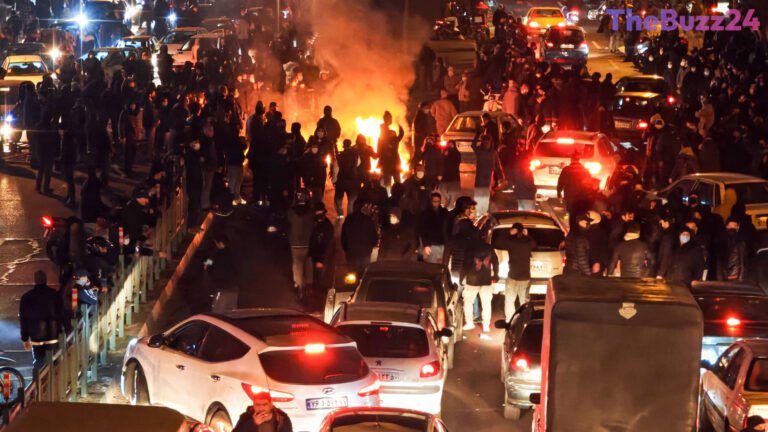
France experienced its fourth consecutive weekend of widespread demonstrations as citizens took to the streets to voice frustrations over the rising cost of living and the state of public services. The protests, which have drawn a diverse coalition of students, trade union members, and activists from the revived ‘Yellow Vest’ movement, highlight the growing tension between the public and the government regarding economic policy.
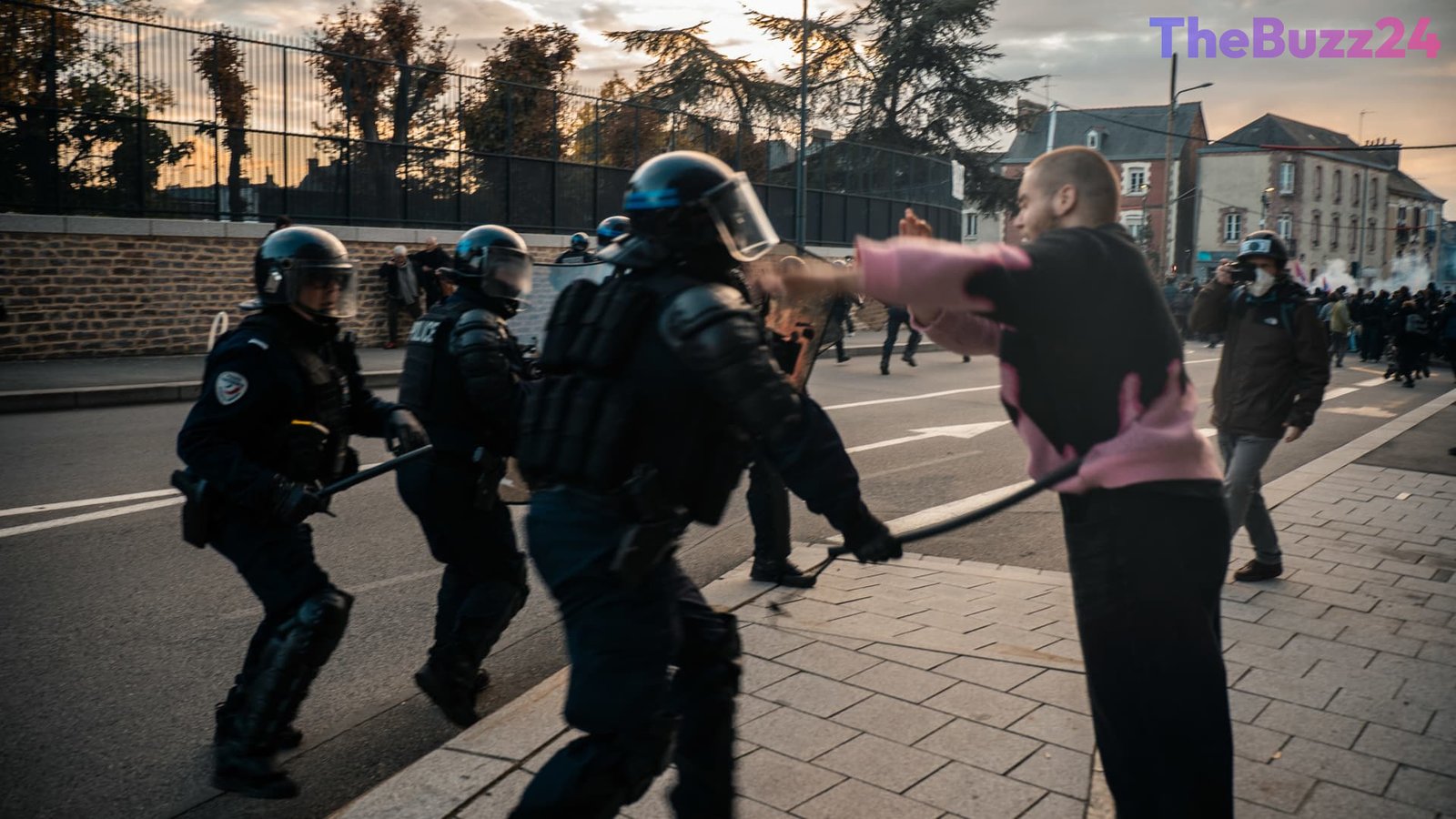
Official government figures estimated the national turnout at 146,000 participants, with approximately 46,000 demonstrators gathering in Paris. However, these numbers were contested by a youth union alliance, which claimed the national attendance reached 250,000. While the overall turnout was lower than in previous weeks, the atmosphere remained volatile, leading to significant security interventions. Authorities reported at least 360 arrests across the country as police deployed tear gas to disperse crowds following clashes at the Place de la Nation.
In addition to the main marches, police took proactive measures to block unauthorized gatherings, including a banned Yellow Vest assembly at the Place de la Concorde, where two movement leaders were taken into custody. The unrest coincides with a period of political instability, as French lawmakers recently rejected the revenue portion of the 2027 budget. Prime Minister Sébastien Lecornu is expected to engage in high-level discussions with labor and employer representatives on Monday to address concerns regarding wages and purchasing power as the government attempts to balance fiscal responsibility with public demands.
Key Takeaways
- France saw its fourth consecutive weekend of protests, with official estimates placing turnout at 146,000 nationwide.
- Clashes between demonstrators and police resulted in at least 360 arrests, with authorities using tear gas in Paris.
- The unrest is fueled by ongoing concerns over the cost of living and follows the rejection of the 2027 budget's revenue section by lawmakers.
Editor’s Analysis & Impact
The persistent nature of these protests signals a deep-seated dissatisfaction with the current economic trajectory in France. By failing to pass the revenue section of the 2027 budget, the government finds itself in a precarious position, caught between the necessity of fiscal consolidation and the political imperative to appease a restless populace. The involvement of both traditional trade unions and the grassroots ‘Yellow Vest’ movement suggests that the grievances are broad and systemic rather than isolated. Moving forward, the government’s ability to negotiate meaningful concessions on purchasing power will be critical. If the administration cannot provide a clear path toward economic relief, the risk of further social fragmentation and political gridlock remains high, potentially complicating the legislative agenda in the Senate and undermining the administration’s long-term stability.
Frequently Asked Questions
Q: What are the primary reasons for the current protests in France?
A: The protests are primarily driven by public anger over the rising cost of living, concerns regarding public services, and dissatisfaction with the government's economic policies.
Q: What is the status of the 2027 budget in the French government?
A: The revenue section of the 2027 budget was recently rejected by lawmakers, and the proposal is now scheduled to be debated in the Senate starting November 20.
AI Disclosure: This article is based on verified data and official reports. Our Team and AI have cross-referenced every financial detail with primary sources to ensure total accuracy.
More from this Category