Iran Executes Three Men Over Alleged Foreign Espionage and Violent Protest Sabotage
Authorities in Iran carried out the executions of three men on Sunday following convictions tied to alleged espionage for foreign powers and participation in armed violence during the country’s anti-government demonstrations earlier this year in January. The individuals, identified as Hassan Dioband, Hamid Kazemi, and Reza Zanganeh, were handed capital punishment sentences that were ultimately upheld by the nation’s Supreme Court.
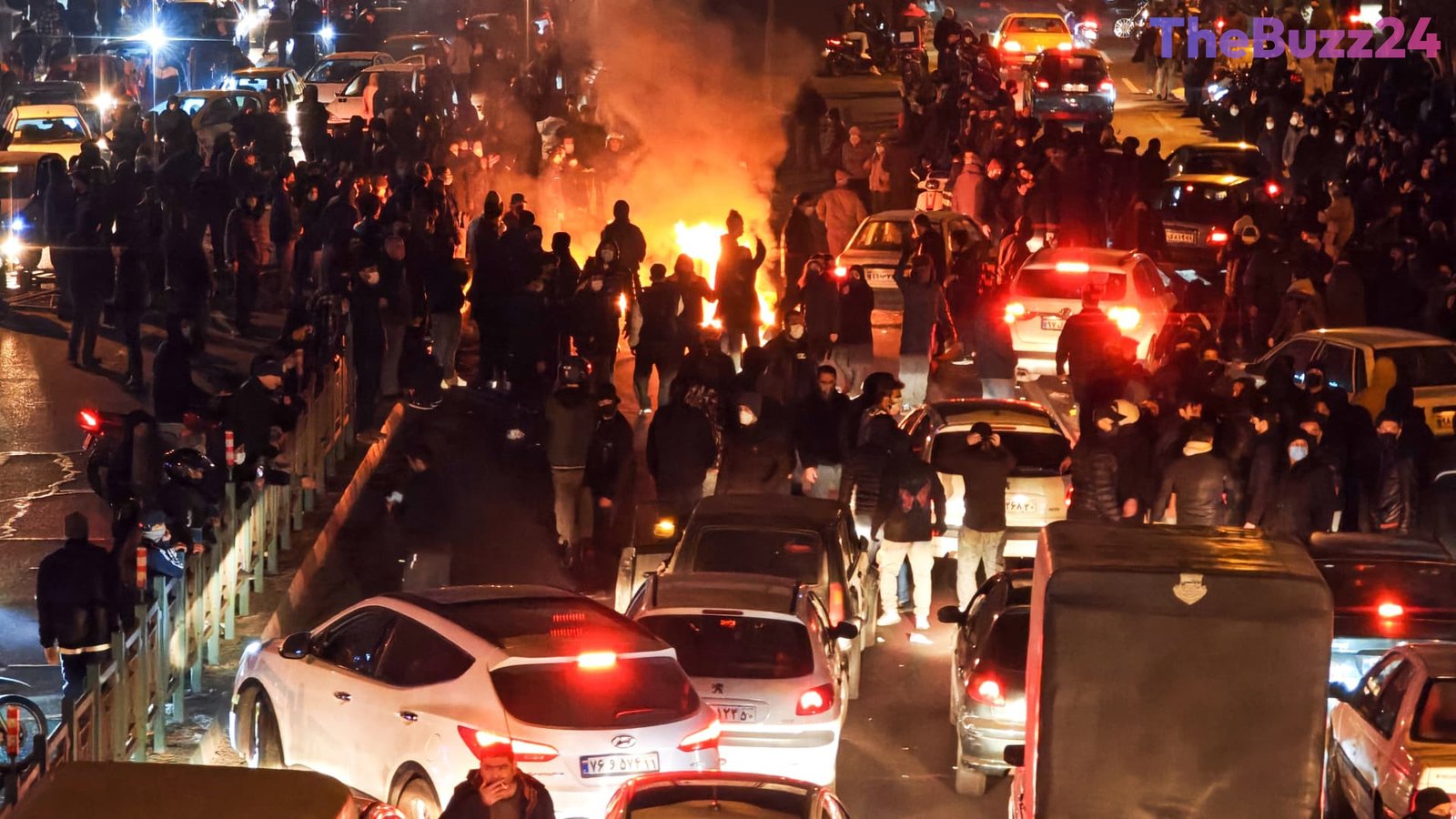
According to judicial findings, the three men were implicated in severe acts of sabotage, including the deployment of firearms, explosives, and Molotov cocktails during civil unrest in the city of Karaj. Investigators specifically highlighted an attack on a municipal power substation, which resulted in localized blackouts and significant damage to public infrastructure. Dioband, identified by law enforcement as a key organizer, was initially detained on January 11, leading to the subsequent arrests of ten additional suspects.
Beyond the death penalty, judicial authorities ordered the total confiscation of assets belonging to the three primary defendants. Meanwhile, ten secondary defendants accused of acting under Dioband’s direction were handed custodial sentences ranging between five and ten years. The executions represent part of a broader judicial crackdown following the nationwide protest wave recorded at the start of the year.
Key Takeaways
- Iran executed Hassan Dioband, Hamid Kazemi, and Reza Zanganeh after convictions related to armed violence and alleged ties to foreign intelligence.
- The charges stemmed from incidents during January's civil unrest in Karaj, which included attacks on public infrastructure and power facilities.
- Ten co-defendants received prison sentences ranging from five to ten years, while the primary defendants faced capital punishment and asset forfeiture.
Editor’s Analysis & Impact
The recent executions underscore Tehran’s uncompromising judicial stance against anti-government unrest and alleged foreign intervention. By explicitly linking domestic dissent to foreign intelligence operations from the U.S. and Israel, the Iranian government continues to frame civil protests through the lens of national security threats. This approach aims to deter future demonstrations and signal strength amid ongoing domestic turmoil and international geopolitical tensions. Moving forward, the aggressive application of capital punishment in post-protest trials is likely to deepen international criticism and exacerbate diplomatic strain between Iran and Western powers, while further fueling discontent among domestic reformist factions.
Frequently Asked Questions
Q: Who were the individuals executed by Iranian authorities?
A: The three men executed were Hassan Dioband, Hamid Kazemi, and Reza Zanganeh, who were convicted of participating in violent acts during January's anti-government protests.
Q: What specific charges were brought against the defendants?
A: The defendants faced charges including operating on behalf of foreign powers, using firearms and explosives, damaging public infrastructure, and attacking an electricity substation in Karaj.
Q: What penalties did other individuals involved in the case receive?
A: Ten co-defendants linked to the primary suspect were sentenced to prison terms ranging between five and ten years.
AI Disclosure: This article is based on verified data and official reports. Our Team and AI have cross-referenced every financial detail with primary sources to ensure total accuracy.
More from this Category