Amazon Bets Big on Home Robots Again After Astro’s Stumbles
Amazon is reportedly assembling a new team and actively recruiting for a “new-to-world robot product,” signaling a renewed commitment to the ambitious goal of bringing robotics into the consumer home. This initiative follows the company’s previous foray into the market with the Astro home robot, which, despite its innovative features, never progressed beyond a limited beta release and is now viewed by some users as a potential “trash heap” item.
The original vision for Astro stemmed from Amazon founder Jeff Bezos’s 2017 conviction that household robots were an inevitable future. Launched in 2021, the $1,450 Astro was envisioned as an Alexa-enabled, mobile device capable of navigating homes, recognizing faces, and serving as a security monitor. However, its evolution stalled, shipping to only a few thousand customers and later seeing its business-focused variant discontinued less than a year after its 2023 release.
Despite these setbacks, Amazon appears undeterred, viewing personal robotics as a significant long-term opportunity akin to its early investments in Alexa and Kindle. Recent job postings hint at a product designed for “autonomous operation alongside family members” and “dynamic home environments.” The company’s strategy often involves making substantial bets on emerging technologies, even if they face initial skepticism. CEO Andy Jassy has emphasized AI and robotics as pivotal “inflections of our lifetime,” underscoring the company’s dedication to inventing technologies that enhance daily life.
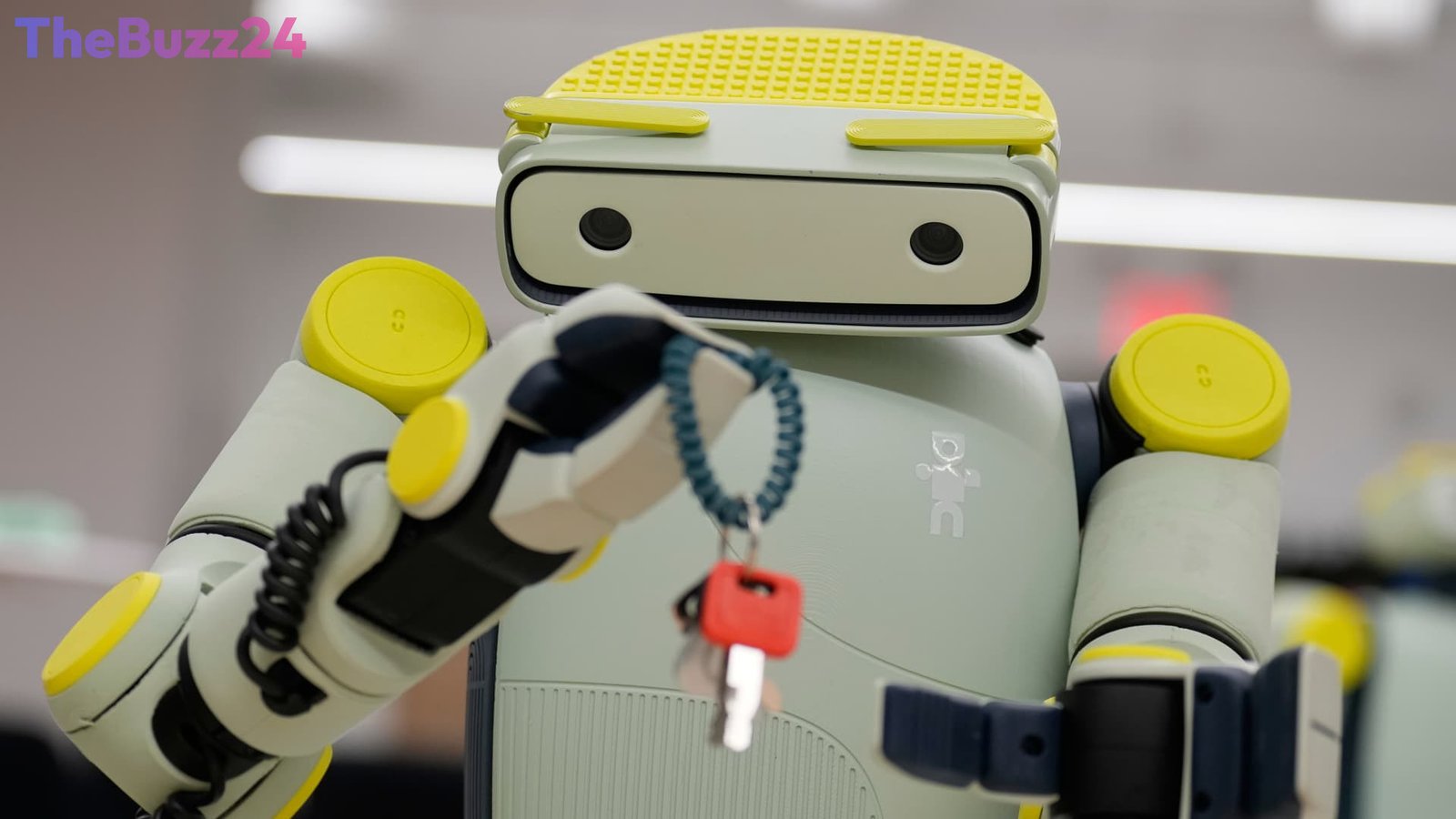
Amazon’s renewed push is bolstered by recent industry advancements and strategic acquisitions. The company brought in MIT roboticist expertise and acquired Fauna Robotics in March, integrating its team and its 3.5-foot-tall humanoid robot, Sprout, into a new Personal Robotics Group. This division, which includes former members of Amazon’s Lab126 R&D unit, aims to create robots that are not only functional but also “delightful” companions. While the specifics of the new product remain undisclosed, job descriptions suggest a focus on user experience and creating robots that people genuinely want to interact with in their living spaces. The company acknowledges the significant challenges in transitioning robotics from controlled lab settings to the unpredictable nature of a home environment, stating a commitment to collaborating with the broader robotics community to overcome these hurdles.
Key Takeaways
- Amazon is actively developing a new home robot product, signaling a renewed focus on personal robotics after the limited success of its Astro device.
- The company's renewed efforts are supported by recent advancements in AI and robotics, strategic acquisitions like Fauna Robotics, and a long-term vision for the technology.
- Despite early challenges and user concerns about Astro's functionality and price, Amazon views personal robotics as a significant future market and is investing heavily in overcoming the complexities of home environments for robots.
Editor’s Analysis & Impact
Amazon’s persistent pursuit of a successful home robot underscores the immense potential and significant challenges within the burgeoning personal robotics market. While the initial Astro launch faced limitations in functionality and consumer adoption, the company’s strategic investments in talent, technology, and acquisitions like Fauna Robotics indicate a serious, long-term commitment. The broader industry is also experiencing a surge, with significant venture capital flowing into robotics and AI. Amazon’s approach, characterized by bold, long-term bets, positions it to potentially capitalize on future breakthroughs. The success of this new venture will hinge on its ability to deliver a robot that offers tangible value, seamless integration into daily life, and a compelling user experience at a justifiable price point, navigating the complex realities of home environments.
Frequently Asked Questions
Q: Why did Amazon's first home robot, Astro, not achieve widespread success?
A: Astro, launched in 2021, remained an invite-only product with a high price tag ($1,450) and limited functionality. Many users found it to be more of a novelty or a "trip hazard" than a truly useful household assistant, leading to its limited adoption and eventual discontinuation of its business variant.
Q: What makes developing home robots so challenging for companies like Amazon?
A: Homes present a highly unpredictable and dynamic environment compared to controlled settings like warehouses or labs. Challenges include navigating complex layouts, interacting safely with children, pets, and elderly individuals, dealing with varied lighting conditions, and overcoming obstacles like stairs. Creating robots that can reliably and usefully operate in these conditions requires significant advancements in AI, sensors, and mechanical engineering.
Q: How is Amazon's current approach to home robotics different from the Astro project?
A: While specific details are scarce, Amazon's current efforts appear to be more focused on creating robots that are not just functional but also "delightful" and seamlessly integrated into daily life. The acquisition of Fauna Robotics, with its humanoid robot Sprout, and the recruitment of specialized talent suggest a more sophisticated approach to design and capability, aiming to address the shortcomings experienced with Astro and capitalize on recent leaps in AI and robotics technology.
AI Disclosure: This article is based on verified data and official reports. Our Team and AI have cross-referenced every financial detail with primary sources to ensure total accuracy.
More from this Category