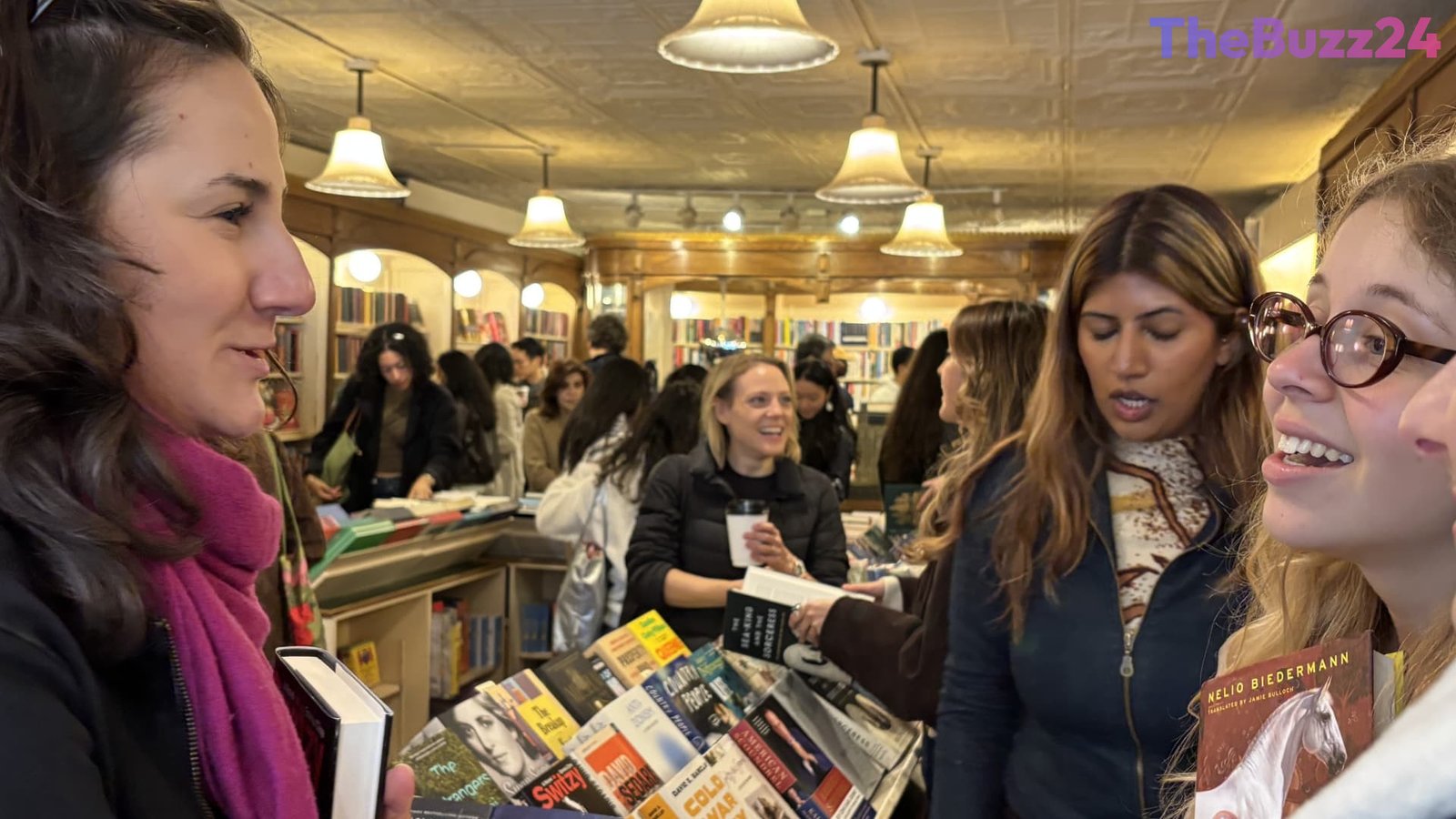
Community Meets Commerce: Brands Fueling In-Person Gatherings Sparks Debate
A growing trend sees major brands stepping in to sponsor real-world community events, a development facilitated by platforms designed to connect grassroots organizers with corporate advertisers. This new model aims to provide financial sustainability for local groups while offering brands unique opportunities for intimate, in-person engagement with target audiences.
Offline, a platform founded by Andrew Roth and Chris Banks, is at the forefront of this movement. It enables hosts of diverse gatherings, from literary clubs to bird-watching groups, to create profiles detailing their events and audience demographics. Brands can then utilize the platform to identify and partner with communities that align with their marketing objectives, often requiring deliverables such as social media mentions. Organizers like Kelly Chervin, founder of Lit Club NYC, and Michael Lombardo of McGolrick Bird Club, view these partnerships as crucial for the long-term viability of their initiatives, helping them cover operational costs and even support their families.
However, the integration of commercial interests into organic communities has sparked a debate among experts. Some, like Amit Kumar, an assistant professor of marketing, see potential benefits, arguing that any opportunity for people to connect in person is valuable. Others, including Cornell University sociology professor Benjamin Cornwell, express concern that brand involvement could erode the authentic, shared interests that initially formed these groups, potentially leading members to “lose faith in the original purpose” and eventually disengage. Community members themselves hold varied opinions, with some appreciating the support while others are wary of commercial agendas.
Despite these differing views, the financial incentives are clear for organizers, with Offline reporting average payouts of $2,500 to $3,000 per event for hosts. This model represents a significant shift in how community-building is funded, balancing the need for resources with the delicate nature of maintaining genuine human connection in an increasingly commercialized landscape.
Key Takeaways
- Brands are increasingly sponsoring in-person community events through platforms like Offline to gain intimate audience engagement.
- Community organizers are leveraging these partnerships to ensure financial sustainability for their groups and cover operational costs.
- Experts and community members are divided on the impact, with some seeing benefits in fostering connections and others fearing the erosion of authenticity due to commercialization.
Editor’s Analysis & Impact
This emerging trend of brand sponsorship for real-world communities signifies a significant evolution in both grassroots organizing and marketing strategies. For brands, it opens a novel channel for ‘intimacy at scale,’ offering authentic engagement beyond traditional digital advertising. The market impact could see a proliferation of hybrid community models, where financial stability is achieved through corporate backing. However, the future outlook is nuanced; while it provides vital resources for organizers, the long-term success hinges on maintaining perceived authenticity. The broader implication is a redefinition of ‘community’ itself, blurring the lines between organic social groups and commercially supported networks, potentially leading to a more curated, yet accessible, landscape of shared experiences.
Frequently Asked Questions
Q: What is Offline and how does it work?
A: Offline is a platform that connects hosts of in-person community gatherings (like book clubs or bird-watching groups) with brands looking to sponsor events. Hosts create profiles, and brands match with communities that fit their target audience, providing funding in exchange for event promotion and engagement.
Q: Why are brands interested in sponsoring local community events?
A: Brands are seeking more authentic and intimate ways to connect with consumers. Sponsoring local, in-person events allows them to engage directly with target audiences in a natural setting, fostering deeper connections and delivering unique marketing experiences beyond digital advertising.
Q: What are the main concerns about brand sponsorship of community events?
A: The primary concern is that commercial involvement might compromise the organic nature and original purpose of the community. Critics worry that introducing profit-motivated agendas could lead to a loss of authenticity, potentially causing members to disengage or 'lose faith' in the group's core mission.
AI Disclosure: This article is based on verified data and official reports. Our Team and AI have cross-referenced every financial detail with primary sources to ensure total accuracy.
More from this Category