Deadly Train Collision in Egypt Leaves Seven Dead and Scores Injured
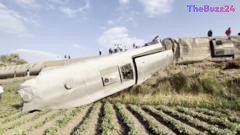
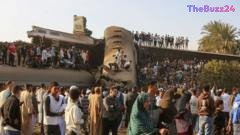
A catastrophic train collision occurred in Egypt, resulting in at least seven fatalities and over 100 injuries. The incident took place when a train traveling from Giza to Fayoum struck the rear of a stationary service heading from Cairo to Aswan. The force of the impact caused several carriages to derail and tumble down an embankment, prompting a large-scale emergency response in the Al-Ayyat region.
Local hospitals have been placed on high alert to manage the influx of patients suffering from injuries ranging from fractures to head trauma. Among the deceased is one of the train drivers. Rescue operations were immediately initiated, with bystanders and emergency personnel working to extract survivors from the wreckage. The Egyptian Red Crescent has also deployed teams to provide medical and psychological support to the affected families.
President Abdul Fattah al-Sisi has mandated a formal investigation into the crash, vowing to hold any negligent parties accountable. In the wake of the disaster, rail services between Giza and Upper Egypt have been suspended indefinitely as heavy machinery and cranes work to clear the damaged carriages from the tracks. The site of the accident is historically significant, located near the area of previous major rail tragedies, which has reignited public discourse regarding the safety and management of the nation’s railway infrastructure.
Key Takeaways
- A collision between two trains in Egypt resulted in seven deaths and over 100 injuries.
- The crash occurred when a moving train struck a stationary service, causing multiple carriages to derail.
- The Egyptian government has launched an official investigation into the cause of the accident and suspended rail traffic in the affected region.
Editor’s Analysis & Impact
This tragic event highlights the persistent challenges facing Egypt’s aging railway infrastructure. Despite ongoing government efforts to modernize the network, the frequency of such accidents underscores a critical need for enhanced safety protocols, automated signaling systems, and rigorous maintenance schedules. The political fallout, characterized by public calls for the resignation of the transport minister, reflects a growing societal demand for accountability and systemic reform. Moving forward, the government faces the dual pressure of managing the immediate humanitarian crisis while addressing long-term public skepticism regarding rail safety. The economic impact of suspending key transit routes between Cairo and Upper Egypt will likely be felt in the short term, necessitating a swift but thorough recovery process to restore public confidence in state-run transportation.
Frequently Asked Questions
Q: What caused the train collision in Egypt?
A: The collision occurred when a train traveling from Giza to Fayoum crashed into the rear of another train that was stationary on the tracks while heading from Cairo to Aswan.
Q: Are train services currently operating in the affected area?
A: No, train services between Giza and the Upper Egypt region have been suspended to allow for rescue operations and the removal of the wrecked carriages.
AI Disclosure: This article is based on verified data and official reports. Our Team and AI have cross-referenced every financial detail with primary sources to ensure total accuracy.
More from this Category