How Artificial Intelligence Data Centers Are Shaking Up Texas Politics Ahead of Midterms
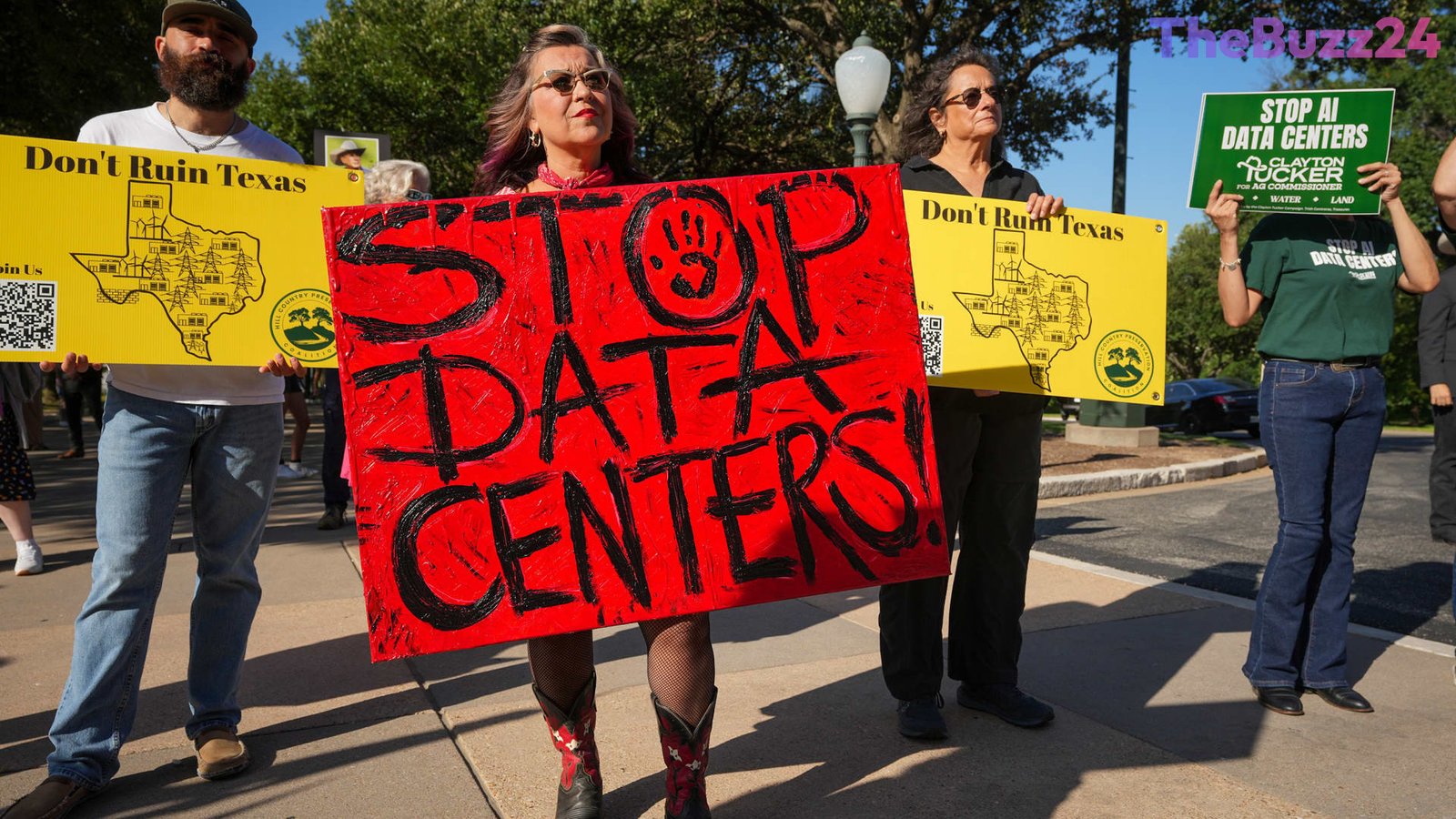
A surging wave of opposition against artificial intelligence data centers is rapidly reshaping the political landscape in Texas, threatening the long-standing dominance of the Republican Party as the 2026 midterm elections approach. Across the state, rural and suburban communities are pushing back against the sprawling industrial facilities, citing severe concerns over soaring utility bills, strained water resources, and environmental disruption. This growing grassroots discontent has provided an unexpected opening for Democratic challengers seeking to capture statewide office for the first time in decades.
The debate has become a central battleground in high-profile races, including the contests for governor and a crucial U.S. Senate seat. Recent polling indicates that a significant majority of Texas voters oppose the establishment of data centers within their neighborhoods, crossing traditional partisan lines to unite Republicans, Democrats, and independents alike. For many residents, the issue encapsulates broader anxieties about rapid technological expansion, skyrocketing living costs, and a perceived lack of government oversight regarding infrastructure that benefits big tech corporations at the expense of local communities.
Faced with mounting pressure from their own constituents, incumbent Republican leaders have found themselves navigating a complex political dilemma. While national figures continue to advocate for aggressive technological development to maintain global competitiveness, local voters are demanding immediate regulatory guardrails. In response, state officials have begun implementing stricter auditing measures for power grid connections and exploring potential rollbacks on lucrative industry tax exemptions. However, for many disaffected voters who have historically backed conservative candidates, the legislative response has felt too slow, prompting some to reconsider their political loyalties as election day draws nearer.
Key Takeaways
- Public backlash against AI data center developments is creating a major political flashpoint across Texas ahead of the 2026 midterms.
- Polls show widespread bipartisan and rural opposition to data centers due to concerns over water usage, noise, and rising utility costs.
- Republican leaders are shifting toward stricter regulatory stances to appease voters, balancing local discontent with national industry-friendly pressures.
Editor’s Analysis & Impact
The intersection of artificial intelligence infrastructure and local resource management has transformed from a niche zoning issue into a potent macroeconomic and political force. As data center footprints expand exponentially to meet surging computational demands, the strain on regional power grids and water supplies is triggering unprecedented community resistance. In traditionally safe political strongholds like Texas, this dynamic illustrates a broader national trend: grassroots populism colliding with big tech ambitions. If anti-data center sentiment successfully alters voting behavior, it could redefine how infrastructure projects are approved nationwide, forcing developers and policymakers to prioritize community consent and resource sustainability alongside rapid technological deployment.
Frequently Asked Questions
Q: Why are Texas voters opposing AI data centers?
A: Residents are primarily concerned about the heavy consumption of local water and power resources, potential utility cost hikes, noise and light pollution, and the overall impact on property values and rural aesthetics.
Q: How are political candidates responding to the data center backlash?
A: Democratic candidates have leaned into the issue by calling for moratoriums and stricter regulations, while Republican incumbents are facing pressure to balance pro-business stances with new oversight measures to appease concerned voters.
Q: Could data centers realistically impact the outcome of Texas elections?
A: Political strategists note that the issue has mobilized a cross-partisan coalition of voters, potentially shifting enough support to make traditionally red races much more competitive in upcoming midterms.
AI Disclosure: This article is based on verified data and official reports. Our Team and AI have cross-referenced every financial detail with primary sources to ensure total accuracy.
More from this Category