South Sudan President Dissolves Government Ahead of Historic December Elections
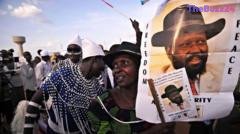
South Sudanese President Salva Kiir has officially dissolved the transitional government, setting the stage for the nation’s inaugural general elections scheduled for December. Under newly signed legislative amendments, the sweeping decree vacates the positions of the nation’s five vice-presidents, dissolves parliament, and eliminates all national and state administrative bodies. President Kiir, representing the Sudan People’s Liberation Movement, will retain constitutional executive powers until a newly elected leader officially takes the oath of office, while select ministers and governors have been reinstated in temporary caretaker capacities.
The political shakeup comes amid heightened tensions in the capital city of Juba, where military and national security forces established heavy checkpoints around key government installations. Essential personnel and civil servants arriving for their shifts were instructed to vacate the premises, and international organizations, including United Nations agencies, advised personnel to operate remotely while monitoring local developments. These sweeping administrative changes follow a series of high-level dismissals, most notably the removal of the national elections commission chairman just weeks prior.
The upcoming December vote marks a pivotal moment for the world’s youngest nation, which has twice previously delayed its electoral timeline following independence. The political landscape remains heavily constrained, with primary opposition figure Riek Machar currently under house arrest following treason charges last year. International monitors and peace implementation bodies have warned that the nation is navigating a highly sensitive phase, urging all political factions to prioritize peaceful dialogue and institutional preparedness to ensure a credible democratic transition.
Key Takeaways
- President Salva Kiir dissolved South Sudan's transitional government, parliament, and regional bodies three months ahead of the scheduled December elections.
- Security forces blockaded government ministries in Juba, and UN agencies instructed staff to work remotely amid rising political tensions.
- Key opposition figures remain sidelined, and international monitors have expressed concern over the fragile state of the electoral process.
Editor’s Analysis & Impact
The dissolution of South Sudan’s government highlights the profound fragility of the nation’s political institutions as it approaches its first-ever elections. With President Salva Kiir consolidating temporary constitutional power and key opposition figures neutralized or sidelined, the credibility of the upcoming vote faces immense scrutiny from international observers. Economically and socially, prolonged political uncertainty risks exacerbating humanitarian challenges in a country already struggling with post-civil war recovery and funding deficits for electoral infrastructure. For regional stability, a peaceful and transparent electoral outcome is critical; however, the heavy military presence and lack of robust opposition participation signal potential friction that could threaten long-term democratic consolidation.
Frequently Asked Questions
Q: When are South Sudan's first elections scheduled to take place?
A: The elections are scheduled for December 22.
Q: Who retains power following the dissolution of the government?
A: President Salva Kiir retains full constitutional powers until a newly elected president is sworn in.
Q: What happened to the main opposition leader, Riek Machar?
A: Riek Machar was sacked as vice-president last year, charged with treason, and placed under house arrest.
AI Disclosure: This article is based on verified data and official reports. Our Team and AI have cross-referenced every financial detail with primary sources to ensure total accuracy.
More from this Category