Nvidia CEO Under Intense Scrutiny Amid Alleged Affair and National Security Probe
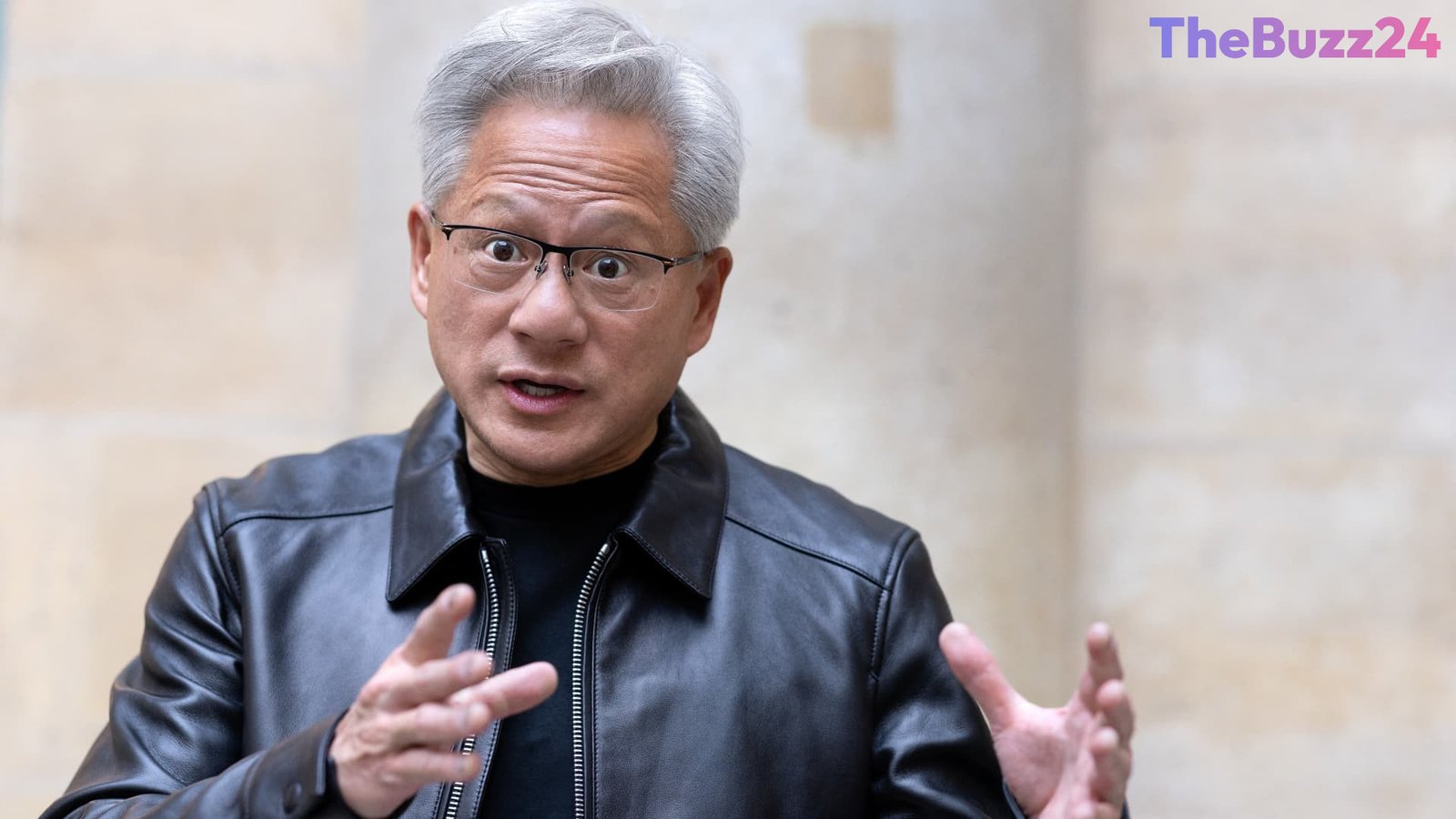
Nvidia CEO Jensen Huang is facing unprecedented scrutiny following his admission of an extramarital affair with an individual U.S. intelligence officials suspect of being a Chinese spy. The revelation comes as the semiconductor giant prepares for heightened oversight from a newly empowered Democratic Congress, adding a complex national security dimension to the company’s operations. Huang apologized to staff for being “unfaithful to my wife,” while Nvidia’s board initiated an investigation into the national security implications of the reports, particularly concerning Alice Huang’s alleged affiliation with Megaspeed, an Nvidia customer accused of facilitating restricted Chinese companies’ access to advanced AI chips.
This personal entanglement emerges at a critical juncture for Nvidia, as Democrats, having secured control of Congress, have pledged to significantly increase oversight of artificial intelligence development and technology exports to China. Previously, Huang enjoyed closer ties with the U.S. government under Republican leadership, but prominent Democratic figures are now demanding answers. Senator Elizabeth Warren emphasized the need for bipartisan legislation to prevent advanced AI technology from reaching China, while House leader Hakeem Jeffries described the situation as a “significant issue of concern,” indicating that the alleged affair would be discussed in classified briefings. Senator Chris Coons also affirmed that Congress would investigate the allegations.
The unfolding situation has already impacted investor confidence, with fears of a slowdown in the AI buildout contributing to a dip in Nvidia’s stock value. Huang, who co-founded Nvidia in 1993 and has since built it into a dominant force in the AI industry, is known for his singular leadership style, reportedly overseeing numerous direct reports and strategic decisions. While Nvidia’s board has expressed confidence in Huang, the intensifying scrutiny from both Wall Street and Washington is expected to alter his considerable influence. The company faces crucial financial reports from its backed entities, CoreWeave and Nebius, and its own earnings report, alongside the anticipated Anthropic IPO, all while navigating these new political pressures.
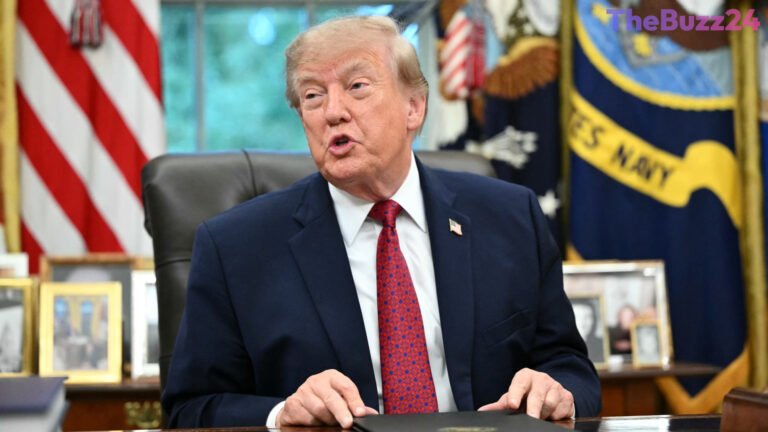
The controversy also reignites debates over U.S. chip export policies to China. Huang has previously advocated for continued exports, arguing it encourages Chinese AI labs to rely on American technology. However, the alleged spy connection raises questions about the extent of prior administrations’ awareness of Huang’s relationships and any potential influence on U.S. policy. While former President Donald Trump has publicly supported Huang, Republican House leaders have also requested a closed-door briefing on Chinese spying issues, indicating bipartisan concern over the matter.
Key Takeaways
- Nvidia CEO Jensen Huang admitted to an extramarital affair with an individual suspected of being a Chinese spy, prompting an internal investigation and national security concerns.
- The revelations coincide with a shift in U.S. political power, with Democrats poised to increase oversight of AI development and chip exports, intensifying scrutiny on Nvidia.
- The situation adds to investor skepticism, impacting Nvidia's stock performance and raising questions about Huang's singular leadership role and the company's future influence in Washington.
Editor’s Analysis & Impact
This development introduces significant geopolitical and regulatory risks for Nvidia, a company central to the global AI boom. The increased scrutiny from Washington, particularly from a Democratic-led Congress focused on AI oversight and national security, could lead to stricter export controls and greater governmental intervention in the tech sector. While demand for Nvidia’s technology remains high, the controversy may dampen investor confidence, potentially affecting its stock performance and future fundraising efforts for AI buildouts. Furthermore, it highlights the delicate balance between corporate interests and national security, potentially setting a precedent for how the personal conduct of tech leaders is viewed in the context of international relations and critical technology development. Huang’s singular influence within Nvidia may also come under review, potentially leading to governance changes.
Frequently Asked Questions
Q: What are the main allegations against Nvidia CEO Jensen Huang?
A: Jensen Huang admitted to an extramarital affair with Alice Huang, who U.S. intelligence officials suspect is a spy for China's Ministry of State Security. She is also linked to Megaspeed, an Nvidia customer accused of helping restricted Chinese entities acquire Nvidia AI chips.
Q: How might this situation impact Nvidia's business and political standing?
A: The allegations are expected to intensify scrutiny from U.S. lawmakers, particularly Democrats, regarding AI development and chip exports to China. This could lead to increased regulatory pressure, potentially affecting Nvidia's market influence and investor confidence, despite the company's strong demand.
Q: What is the current status of the investigation?
A: Nvidia's board is conducting an internal investigation into the national security concerns raised by the reports. While the board has expressed confidence in Jensen Huang, congressional leaders have indicated they will also investigate the matter, with discussions expected in classified briefings.
AI Disclosure: This article is based on verified data and official reports. Our Team and AI have cross-referenced every financial detail with primary sources to ensure total accuracy.
More from this Category