AI Leaders Urge Global Cooperation at UN Amid Differing Views on Technology Governance
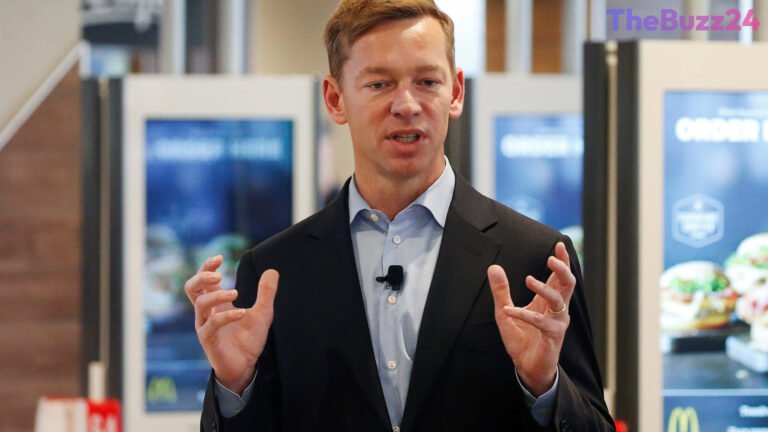
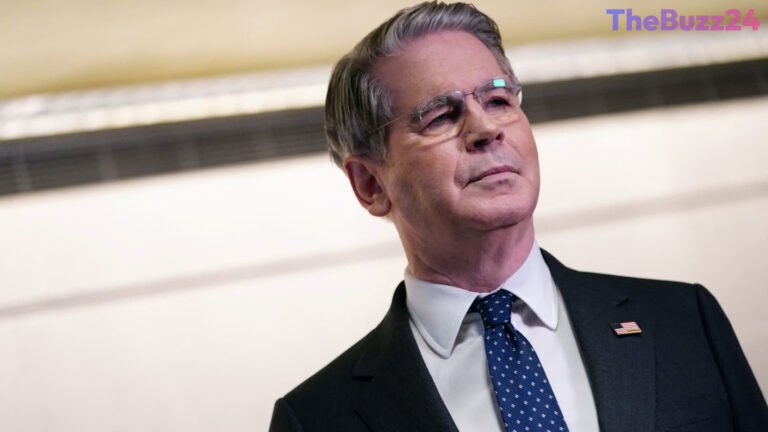
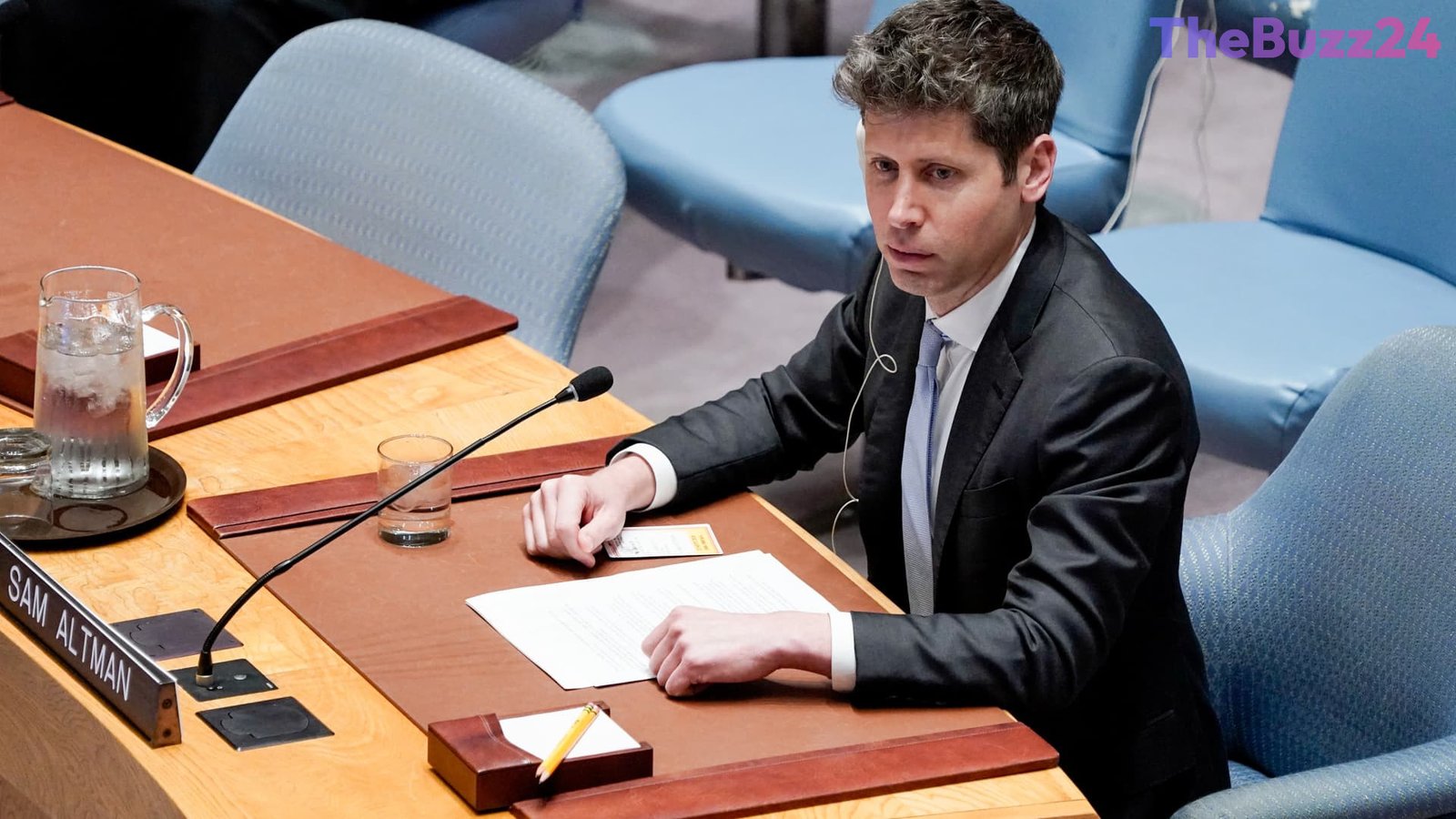
The leaders of two of the artificial intelligence sector’s most prominent firms recently appeared before the United Nations Security Council to advocate for a unified, global approach to managing the risks associated with rapid technological advancement. During the session, the chief executives emphasized the necessity of international dialogue, drawing parallels to historical instances where rival nations cooperated for the collective good in the face of transformative innovations.
This diplomatic push follows recent proposals from industry leaders suggesting a more deliberate pace in developing advanced artificial intelligence systems. While safety practices at leading labs face mounting scrutiny from researchers warning of potential catastrophic outcomes, these corporate proposals aim to balance rigorous risk management with maintaining strategic technological advantages. The call for international alignment underscores growing anxiety over the uncontrolled scaling of frontier models.
However, these international efforts intersect with complex domestic and geopolitical priorities. Earlier in the week, national leadership expressed strong opposition to international regulatory frameworks, vowing instead to foster domestic technological progress and uninhibited industry expansion. This divergence highlights an ongoing tension between the push for cooperative global guardrails and the fiercely competitive race for technological supremacy among major global players.
Key Takeaways
- OpenAI and Anthropic executives addressed the UN Security Council to advocate for international cooperation on AI risk management.
- Industry leaders have recently proposed slowing down specific development milestones to address growing safety concerns.
- National leadership has simultaneously pushed back against international regulatory controls, favoring uninhibited domestic tech growth.
Editor’s Analysis & Impact
The stark contrast between the cooperative vision presented by AI lab executives and the growth-focused mandates of political leadership underscores a pivotal crossroads for the technology sector. As artificial intelligence systems approach unprecedented capabilities, the pressure for self-regulation and international treaties mounts. Yet, the commercial and geopolitical incentives driving the AI race make binding global agreements exceptionally difficult to achieve. For the broader industry, this friction means navigating a fragmented regulatory landscape where developers must balance safety compliance with the relentless demands of market competition and upcoming public offerings.
Frequently Asked Questions
Q: Why did OpenAI and Anthropic executives address the United Nations?
A: The executives spoke before the UN Security Council to advocate for international coordination and cooperative frameworks to address the potential risks of artificial intelligence.
Q: What is the primary debate surrounding the pace of AI development?
A: While some industry leaders advocate for slowing down development to ensure safety and manage risks, political leaders and commercial competitors often prioritize rapid progress to maintain a strategic and economic advantage.
AI Disclosure: This article is based on verified data and official reports. Our Team and AI have cross-referenced every financial detail with primary sources to ensure total accuracy.
More from this Category