Proposed Legislation Aims to Lower Social Security Retirement Age for Physical Laborers
A new legislative proposal introduced in Congress seeks to address the challenges faced by workers in physically demanding professions by lowering the Social Security retirement age to 60. Currently, the full retirement age for individuals born in 1960 or later is 67, with early benefits available at 62 at a reduced rate. The ‘Blue Collar Social Security Fairness Act,’ introduced by Rep. Haley Stevens, aims to provide a pathway for laborers to access full benefits earlier without the penalties associated with early retirement.
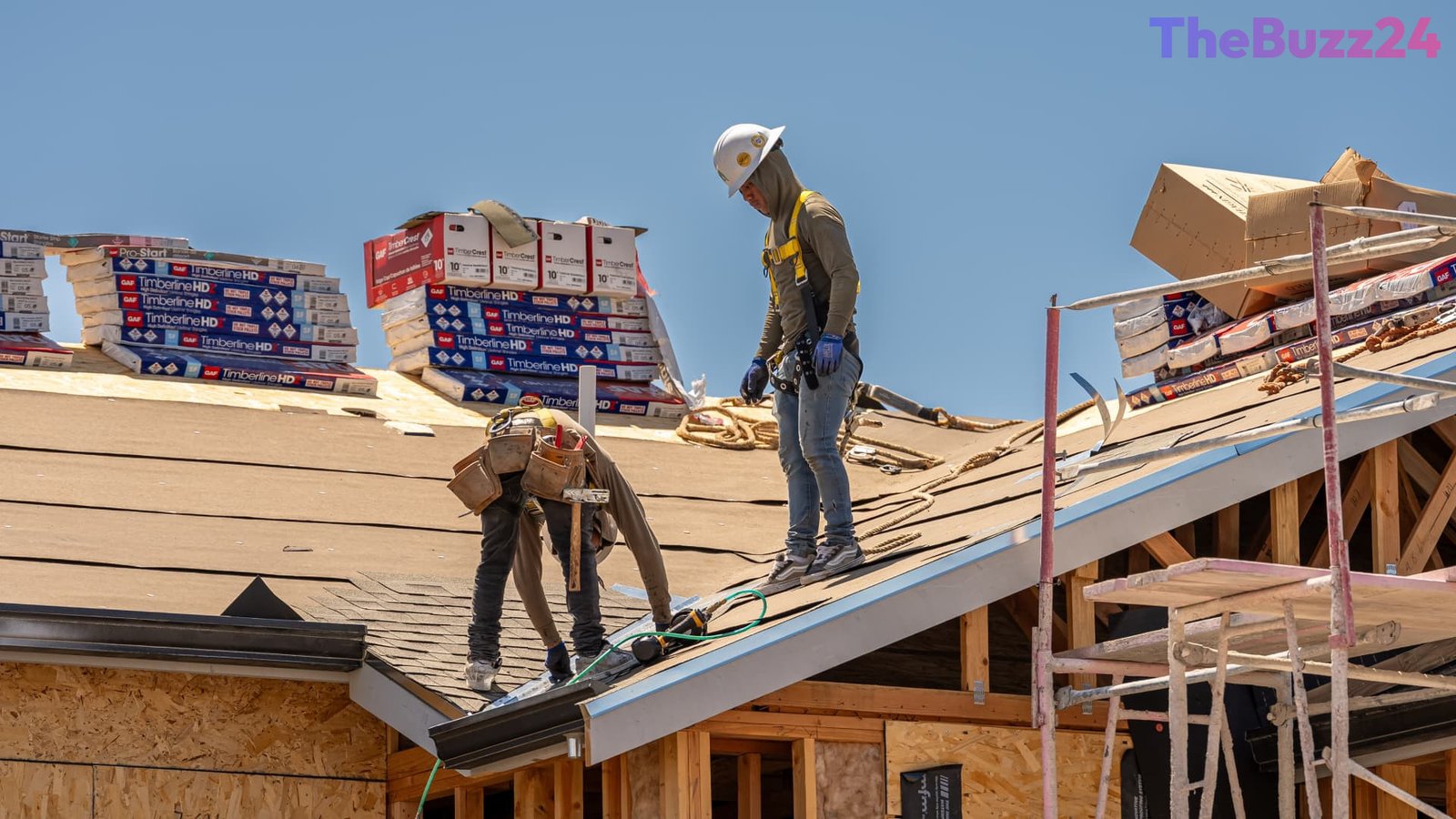
The bill targets occupations such as construction, manufacturing, nursing, and roofing, where the physical toll of the work often makes it difficult for employees to remain in the workforce until the standard retirement age. Under the proposed framework, the Social Security Administration would be responsible for maintaining and updating a list of qualifying physically demanding jobs every three years, utilizing criteria established by the Bureau of Labor Statistics.
To determine eligibility, the legislation introduces a weighted points system based on years of service in qualifying roles. Workers would accumulate points at varying rates depending on their age during their employment, with higher point values assigned to years worked later in life. To qualify for full benefits at age 60, an individual would need to accrue 15 points or demonstrate 20 total years of service in physically demanding roles. This system is designed to recognize the cumulative impact of manual labor while providing a more flexible retirement timeline for those who have contributed significantly to the economy through physical exertion.
Key Takeaways
- The Blue Collar Social Security Fairness Act proposes allowing workers in physically demanding jobs to claim full retirement benefits at age 60.
- Eligibility would be determined by a weighted points system that accounts for the number of years spent in strenuous occupations throughout a career.
- The bill aims to support workers who are often forced to exit the workforce prematurely due to the physical toll of their professions.
Editor’s Analysis & Impact
The introduction of the Blue Collar Social Security Fairness Act highlights a growing tension between the current Social Security structure and the realities of the modern labor market. As the population ages and the Social Security trust funds face long-term solvency challenges, policymakers are under pressure to balance fiscal sustainability with social equity. This proposal represents a shift toward targeted policy interventions, acknowledging that a ‘one-size-fits-all’ retirement age disproportionately impacts manual laborers. If passed, this could set a precedent for occupation-specific social safety nets. However, the bill faces significant hurdles, as any expansion of benefits requires careful consideration of the program’s funding mechanisms. The broader implication is a potential shift in how the government defines ‘dignity of work’ and the extent to which the state should subsidize early retirement for specific segments of the workforce to prevent long-term economic insecurity.
Frequently Asked Questions
Q: Who would qualify for the early retirement benefits under this bill?
A: Workers in physically demanding jobs, such as construction, manufacturing, and nursing, would qualify, provided they meet the required point threshold or years of service.
Q: How are points calculated for the proposed retirement eligibility?
A: Points are weighted based on age: 0.5 points per year for ages 18-34, 1 point for 35-44, 1.5 points for 45-54, and 2 points for years worked after age 55.
AI Disclosure: This article is based on verified data and official reports. Our Team and AI have cross-referenced every financial detail with primary sources to ensure total accuracy.
More from this Category