Canadian PM Carney Under Fire from Tehran Over Trump’s Iran Remarks
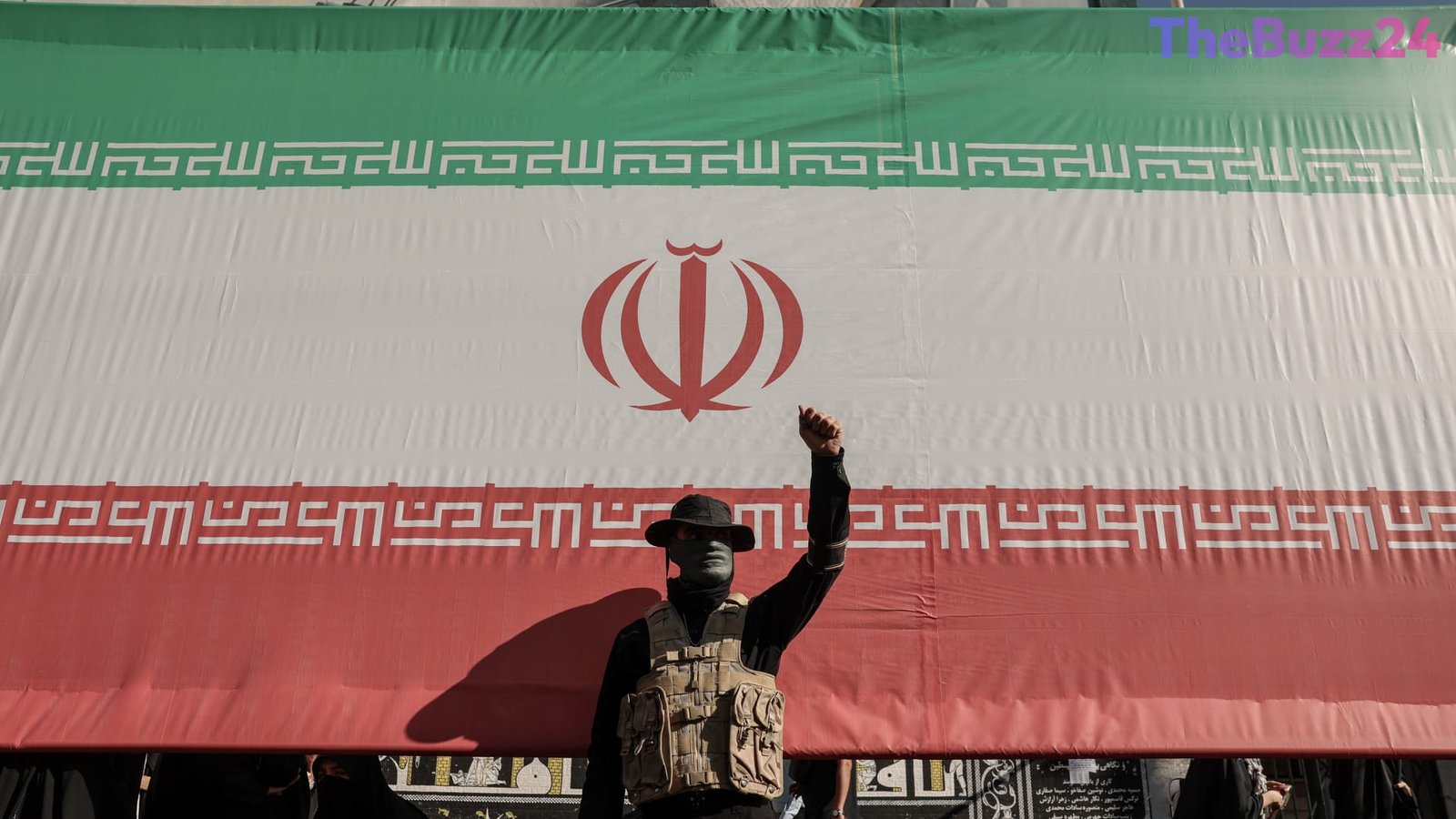
Tehran has issued a sharp rebuke to Canadian Prime Minister Mark Carney, criticizing his perceived failure to condemn recent threats made by U.S. President Donald Trump against the Islamic Republic. Esmaeil Baqaei, spokesperson for Iran’s foreign ministry, accused Carney of appeasing Washington by downplaying Trump’s explicit threat to “annihilate” Iran as merely “speaking the language of war.”
The controversy stems from Carney’s recent statements where he characterized Iran as “one of the greatest threats in the current world,” asserting that it poses an “existential threat to Israel and its allies.” When pressed on President Trump’s remarks during a speech at the United Nations General Assembly, Carney responded by acknowledging an ongoing “war” and stating that Trump was “speaking the language of war,” a stance that Baqaei deemed insufficient and complicit. Baqaei emphasized that Carney, rather than denouncing what Iran views as blatant aggression, chose to align with the U.S. position.
Meanwhile, U.S. Treasury Secretary Scott Bessent has articulated the Trump administration’s strategic objectives concerning Iran. Bessent outlined three potential scenarios for the nation: an internal fracturing of the Iranian regime, a popular uprising among the Iranian populace, or a commitment by Iran to adhere to any future agreements. He also underscored the severe economic pressure being exerted on Iran, noting a dramatic 80-90% reduction in the country’s external flights. Bessent further warned of measures to “shut down” Iranian airlines by denying them essential services like fuel and landing rights, and by threatening to exclude non-compliant entities from the global dollar system.
Iranian President Masoud Pezeshkian, for his part, has countered these narratives by blaming the U.S. and Israel for fostering global instability. Pezeshkian accused both nations of launching unlawful attacks against Iranian civilians and critical infrastructure, further intensifying the war of words between the involved parties.
Key Takeaways
- Iran's foreign ministry criticized Canadian PM Mark Carney for not condemning Trump's "annihilate" threat, accusing him of appeasement.
- U.S. Treasury Secretary Scott Bessent outlined three strategic outcomes for Iran and detailed severe economic pressures, including threats to ground Iranian airlines.
- Iranian President Masoud Pezeshkian blamed the U.S. and Israel for global instability and attacks on Iran, intensifying the diplomatic standoff.
Editor’s Analysis & Impact
This diplomatic spat highlights the deepening chasm in international relations concerning Iran. The U.S. administration’s aggressive stance, coupled with Canada’s perceived acquiescence, signals a tightening noose around Tehran. The outlined economic pressures, particularly the threat to cripple Iranian aviation, could severely impact Iran’s connectivity and trade, potentially exacerbating internal dissent or forcing a change in policy. However, such extreme measures also risk further isolating Iran and potentially strengthening hardline elements, making a diplomatic resolution more challenging. The broader implications include increased volatility in the Middle East, potential disruptions to global energy markets, and a test of alliances as nations navigate their relationships with both the U.S. and Iran. The future outlook suggests continued high tensions, with economic warfare remaining a primary tool.
Frequently Asked Questions
Q: Why is Iran criticizing Canadian Prime Minister Mark Carney?
A: Iran's foreign ministry spokesperson criticized PM Carney for not condemning U.S. President Donald Trump's threat to "annihilate" Iran, accusing Carney of appeasing Washington by downplaying the severity of Trump's remarks.
Q: What are the U.S. administration's stated goals for Iran?
A: U.S. Treasury Secretary Scott Bessent outlined three potential outcomes: the Iranian regime turning on itself, a popular uprising, or Iran adhering to a deal if one is made.
Q: How is the U.S. exerting economic pressure on Iran?
A: The U.S. is applying significant economic pressure, which has led to an 80-90% drop in Iran's external flights. Treasury Secretary Bessent also threatened to shut down Iranian airlines by denying them fuel and landing services and excluding non-compliant entities from the dollar system.
AI Disclosure: This article is based on verified data and official reports. Our Team and AI have cross-referenced every financial detail with primary sources to ensure total accuracy.
More from this Category