F-35 Stealth Fighter Parts Mysteriously Diverted to Hong Kong, Raising Security Alarms
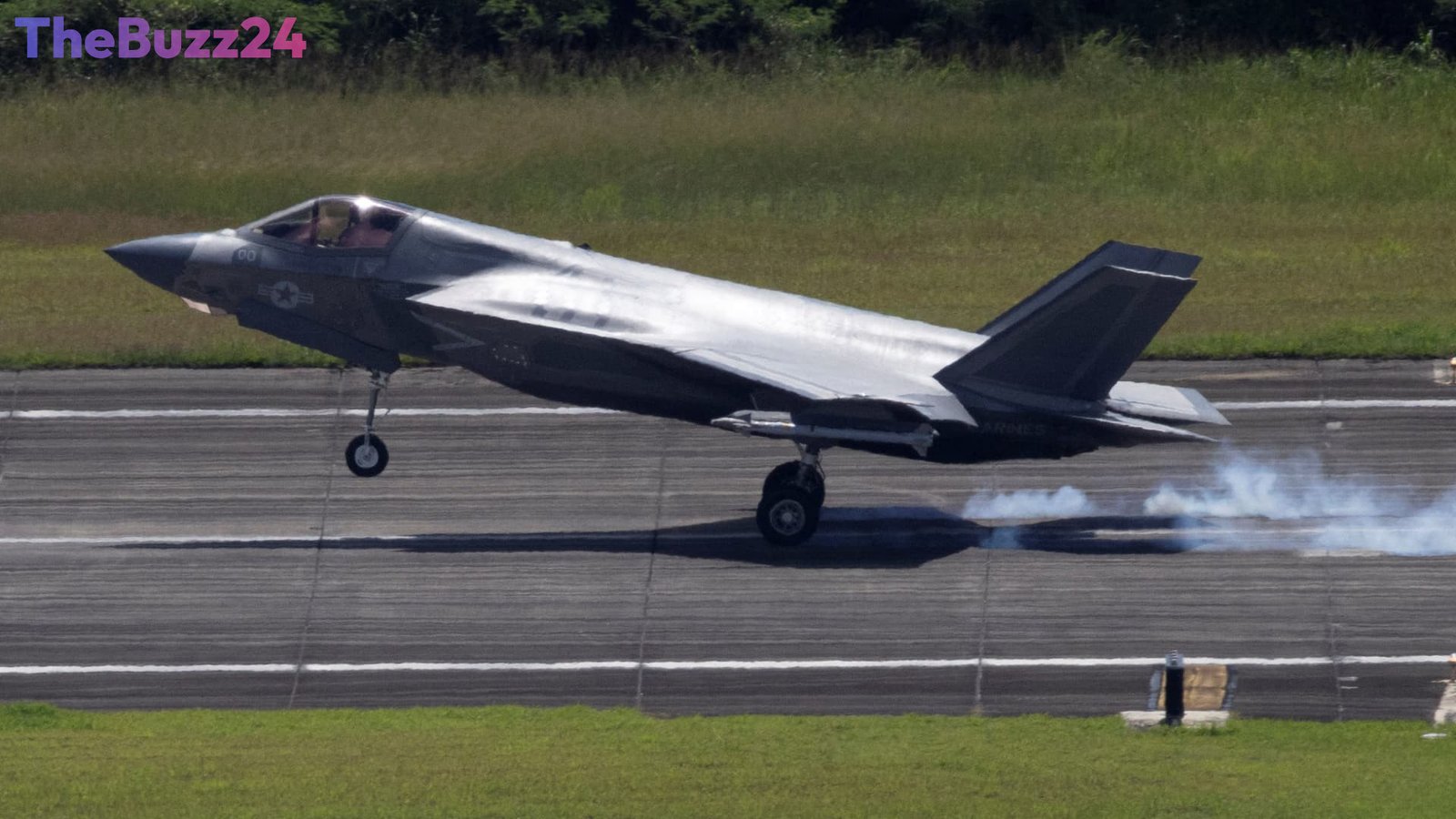
Chinese authorities are reportedly in possession of components belonging to the advanced F-35 stealth fighter jet, following an incident where critical parts were inexplicably rerouted to Hong Kong. The shipment, originating from Australia and destined for the United States in late May, was managed by shipping giant UPS. The diverted items included a cockpit canopy and a weapons bay door, both crucial elements of the fifth-generation fighter developed by Lockheed Martin.
Sources indicate that these specific parts were treated with a radar-absorbent material, a key feature enhancing the F-35’s stealth capabilities. The exact reason for the diversion to Hong Kong remains unclear, sparking significant concern among international defense officials. Australian Defense Minister Richard Marles confirmed awareness of the shipment and stated that Canberra is collaborating with U.S. officials and Lockheed Martin to ascertain the circumstances and offer assistance in the ongoing investigation. Marles also conveyed that, to his understanding, no highly sensitive components were part of the missing consignment.
The incident has amplified existing anxieties regarding the security of U.S. military technology, particularly given China’s past alleged attempts to acquire F-35 related data. U.S. lawmakers have previously voiced strong opposition to the sale of F-35s to certain nations, citing fears that the advanced technology could fall into the hands of adversaries. The F-35 program involves close collaboration with a select group of allied nations, including Australia, Belgium, Japan, and Canada, underscoring the importance of maintaining the integrity of its supply chain and technological safeguards.
Key Takeaways
- Components of the F-35 stealth fighter jet were diverted to Hong Kong during transit from Australia to the U.S.
- The diverted parts included a cockpit canopy and weapons bay door, both treated with radar-absorbent material.
- The incident has raised significant security concerns regarding the potential compromise of advanced U.S. military technology.
Editor’s Analysis & Impact
This incident involving the F-35 components highlights a critical vulnerability in the global defense supply chain. The diversion of sensitive aircraft parts, even if deemed non-critical by some officials, presents a potential intelligence coup for any nation seeking to reverse-engineer or understand advanced stealth technology. For China, acquiring such components could offer invaluable insights, despite the U.S. assurances. This event underscores the persistent challenges in safeguarding cutting-edge military assets in an era of sophisticated espionage and complex international logistics. The fallout could lead to stricter oversight of shipping protocols for defense contractors and potentially impact future international arms sales and collaborations.
Frequently Asked Questions
Q: What is the F-35 fighter jet?
A: The F-35 Lightning II is a family of single-seat, single-engine, all-weather stealth multirole combat aircraft designed for ground attack and air superiority missions. It is a fifth-generation fighter developed by Lockheed Martin for the United States military and its allies.
Q: Why is the diversion of these parts a concern?
A: The F-35 incorporates highly advanced stealth technology, including radar-absorbent materials. Even non-critical components can provide valuable intelligence to adversaries regarding materials, manufacturing techniques, and design principles, potentially compromising the aircraft's operational advantage.
Q: Which countries operate the F-35?
A: The F-35 is operated by the United States and a coalition of allied nations, including Australia, Belgium, Denmark, Italy, Japan, the Netherlands, Norway, South Korea, Singapore, and the United Kingdom. Turkey was previously part of the program but was excluded.
AI Disclosure: This article is based on verified data and official reports. Our Team and AI have cross-referenced every financial detail with primary sources to ensure total accuracy.
More from this Category