Wall Street Stumbles as Treasury Yields Surge to Multi-Decade Highs Amid Geopolitical Shifts
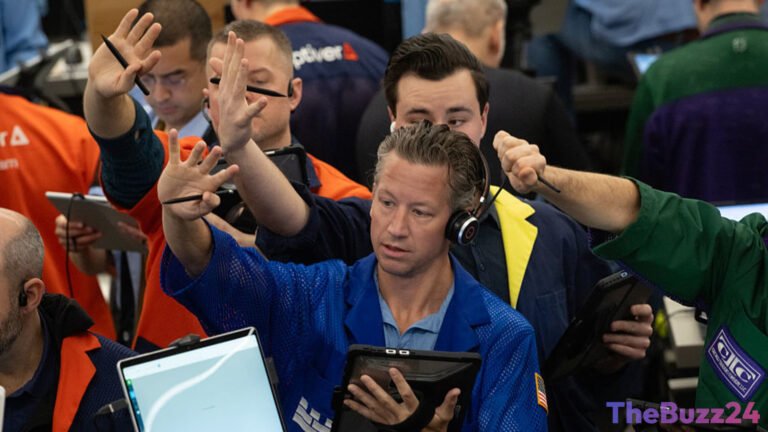
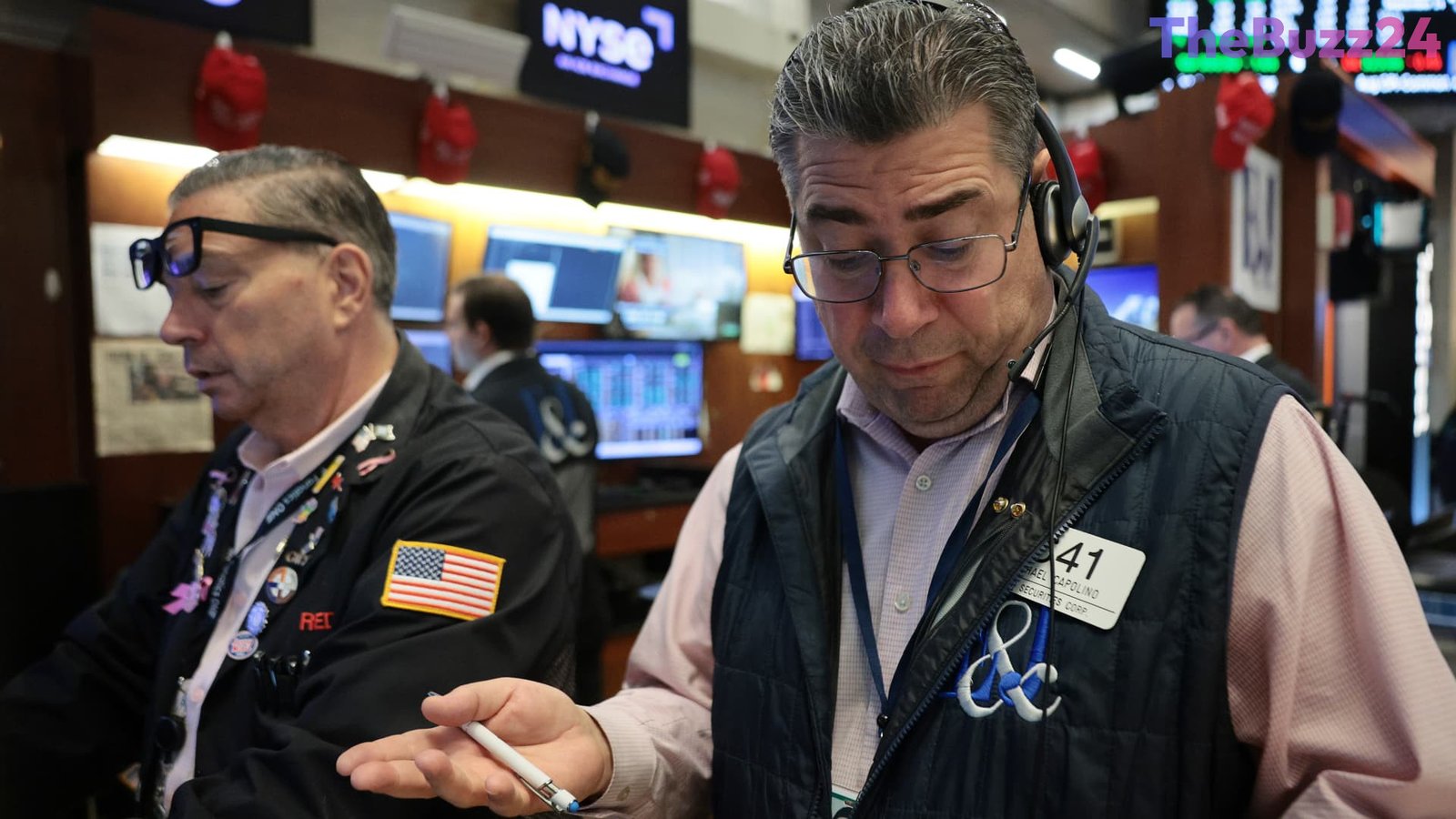
Wall Street experienced another turbulent session on Thursday, with the Dow Jones Industrial Average sliding for a third consecutive day. The blue-chip index dropped 161.61 points, or 0.31%, to close at 51,349.98. Meanwhile, the S&P 500 edged down slightly by 0.02% to 7,704.13, while the tech-heavy Nasdaq Composite managed a razor-thin gain of 0.01% to finish at 26,939.37. The primary catalyst for the market’s downward pressure was a relentless surge in Treasury yields, which reached levels not seen in decades, raising borrowing costs and dampening investor sentiment.
The bond market sell-off intensified as the 30-year Treasury yield climbed to 5.501%, its highest point since June 2004. Concurrently, the benchmark 10-year Treasury note yield, a critical metric for consumer mortgages, surged to 5.223%, marking its highest level since June 2007. These soaring yields reflect growing expectations that the Federal Reserve will implement further interest rate hikes before the end of the year. Market indicators now suggest a nearly 71% probability of another rate hike in October, up significantly from the previous week, as policymakers like Philadelphia Fed President Anna Paulson and New York Fed Chair John Williams hint at the necessity of additional monetary tightening to combat persistent inflation.
Adding to the economic complexity, energy markets remained highly volatile. Brent crude closed above $106 per barrel, and West Texas Intermediate (WTI) settled at $94.61 per barrel, driven by ongoing geopolitical tensions in the Middle East. However, energy prices and stock indices briefly retraced some of their extreme moves following reports that U.S. and Iranian negotiators are discussing a phased agreement to de-escalate regional conflict, which could potentially reopen the Strait of Hormuz in exchange for lifting economic blockades. On the trade front, global markets are also closely watching a high-stakes meeting between President Donald Trump and Chinese Leader Xi Jinping at the White House, where a two-month extension of the bilateral trade truce was announced.
In corporate developments, technology giant Oracle saw its shares decline by 3.5% following revelations that the company invoked a “force majeure” clause to protect itself from potential delays regarding a massive data center project in New Mexico. Conversely, SoftBank Group made waves by announcing an $11.1 billion bond issuance, primarily aimed at funding its massive $30 billion follow-on investment in artificial intelligence pioneer OpenAI. Additionally, the “Magnificent Seven” tech giants continued to show resilience, outperforming the broader market and providing a crucial buffer against deeper losses.
Key Takeaways
- The Dow Jones Industrial Average fell for a third straight session as the 10-year and 30-year Treasury yields surged to multi-decade highs.
- Oil prices remained elevated with Brent crude closing above $106 per barrel, though rumors of a U.S.-Iran diplomatic breakthrough temporarily cooled market anxiety.
- SoftBank announced an $11.1 billion bond issuance to fund its final investment tranche in OpenAI, while Oracle shares slipped on data center legal maneuvers.
Editor’s Analysis & Impact
The current market environment highlights a fascinating paradox: the U.S. economy remains remarkably resilient, yet this very strength is fueling inflation anxieties and driving interest rates to restrictive heights. With the 10-year Treasury yield hovering above 5%, the implications for corporate borrowing, the housing market, and equity valuations are profound. Higher yields act as a natural brake on economic activity, squeezing consumer discretionary spending as mortgage and credit card rates climb. Furthermore, the persistent strength of crude oil acts as a major wildcard, threatening to import inflation back into the supply chain. Investors must brace for a ‘higher-for-longer’ interest rate regime. While mega-cap tech stocks like the Magnificent Seven offer a temporary safe haven due to robust balance sheets, broader equity markets will likely remain capped until Treasury yields stabilize and geopolitical risks in the Middle East and Asia show concrete signs of de-escalation.
Frequently Asked Questions
Q: Why are Treasury yields rising, and how do they affect the stock market?
A: Treasury yields are rising due to strong economic data and hawkish signals from Federal Reserve officials, which suggest interest rates will remain elevated for longer. Higher yields increase borrowing costs for consumers and corporations, making equities less attractive compared to low-risk government bonds.
Q: What is the significance of the potential U.S.-Iran negotiations?
A: Discussions of a phased deal between the U.S. and Iran could lead to the reopening of the Strait of Hormuz and the lifting of economic blockades. This would significantly ease global energy supply concerns, potentially lowering oil prices and reducing inflationary pressures.
Q: Why did Oracle's stock decline during Thursday's trading?
A: Oracle's stock fell after reports emerged that the company invoked a 'force majeure' clause regarding a data center project in New Mexico, raising investor concerns over potential project delays and associated costs.
AI Disclosure: This article is based on verified data and official reports. Our Team and AI have cross-referenced every financial detail with primary sources to ensure total accuracy.
More from this Category