Philadelphia Fed President Signals Continued Interest Rate Hikes to Curb Inflation
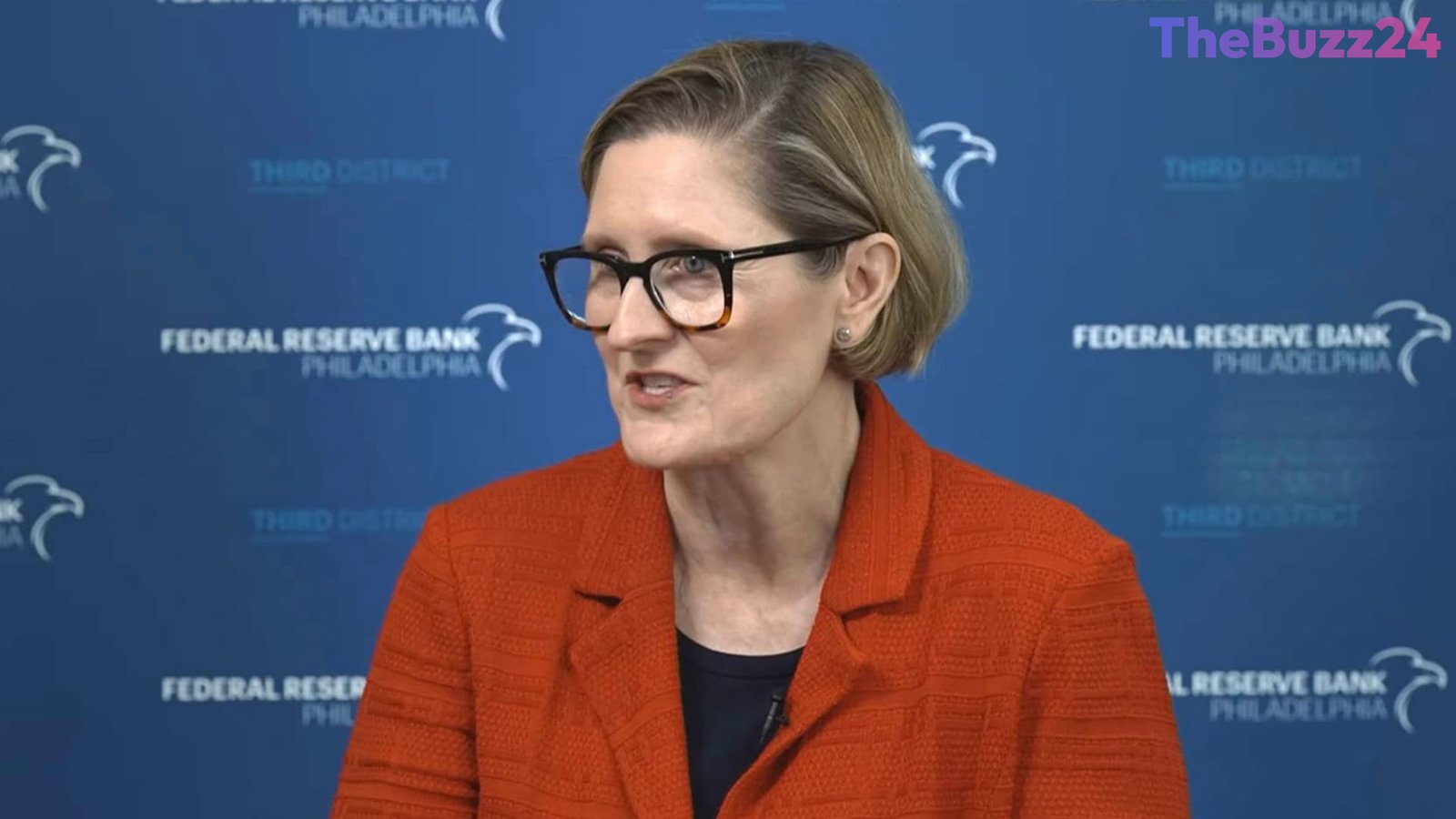
Philadelphia Federal Reserve President Anna Paulson has indicated that additional interest rate increases may be necessary to steer inflation back toward the central bank’s 2% target. Speaking at a fintech conference, Paulson noted that while recent policy adjustments have brought borrowing costs into a more restrictive range, the current pace of inflation remains stubbornly high.
Despite some signs of price moderation during the summer months, underlying inflation continues to hover between 2.5% and 3%. Paulson emphasized that this gap remains a significant concern, as it has shown little indication of narrowing. She noted that inflationary pressures persist even when excluding volatile factors such as energy supply shocks and trade tariffs, suggesting that the broader economic environment requires continued vigilance.
Looking toward the future, Paulson suggested that modest, incremental tightening is likely the most appropriate path forward to balance the need for price stability with the health of the labor market. She described the current state of the economy as solid, with the labor market maintaining steady performance. Her remarks align with a broader consensus among Federal Reserve officials, including New York Fed President John Williams, who recently characterized further rate hikes as a reasonable expectation for the coming months.
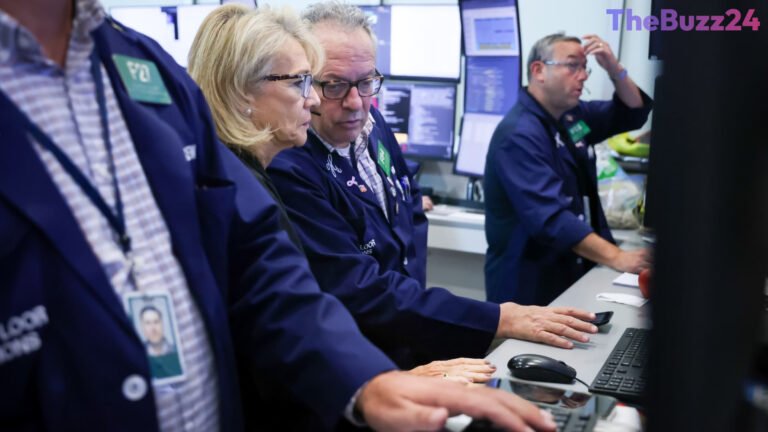
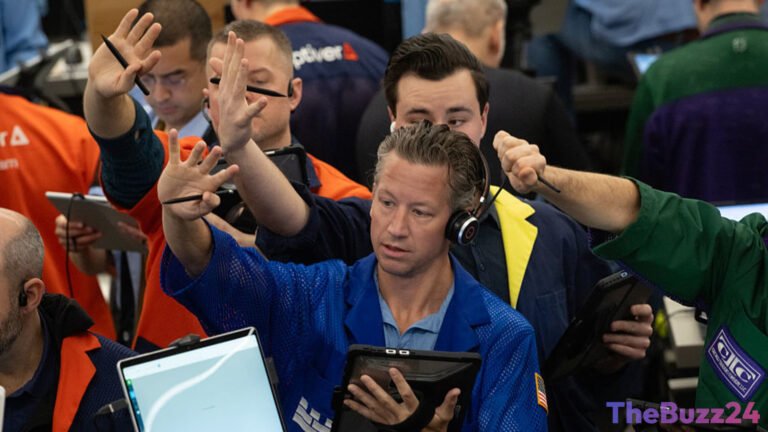
Market participants have responded to these signals by adjusting their expectations for future monetary policy. Current projections indicate a high probability of further rate increases, with traders anticipating additional moves as the Federal Open Market Committee seeks to solidify its control over long-term price stability.
Key Takeaways
- Philadelphia Fed President Anna Paulson suggests that modest interest rate hikes are likely necessary to reach the 2% inflation target.
- Underlying inflation remains between 2.5% and 3%, showing little sign of closing the gap to the Fed's goal.
- Despite the potential for further tightening, officials describe the current labor market and economic output as remaining steady.
Editor’s Analysis & Impact
The comments from Philadelphia Fed President Anna Paulson underscore a persistent ‘higher for longer’ sentiment within the Federal Reserve. By signaling that current rates are not yet sufficient to quell underlying inflation, the Fed is attempting to manage market expectations and prevent a premature easing of financial conditions. This hawkish stance reflects a strategic pivot toward prioritizing price stability over immediate growth concerns, even as the labor market remains resilient. For investors, this implies continued volatility in Treasury yields and a potential cooling of equity markets as borrowing costs rise. The broader implication is that the central bank is prepared to accept a period of slower economic growth to ensure that inflation does not become entrenched, setting the stage for a challenging fiscal environment through the end of the year and beyond.
Frequently Asked Questions
Q: What is the Federal Reserve's primary goal regarding interest rates?
A: The primary goal is to manage interest rates to bring inflation back down to the central bank's 2% target while maintaining a stable labor market.
Q: Why does the Fed consider 'modest' rate hikes necessary?
A: Because underlying inflation remains significantly above the 2% target, and officials believe further tightening is required to prevent inflation from becoming a long-term fixture in the economy.
AI Disclosure: This article is based on verified data and official reports. Our Team and AI have cross-referenced every financial detail with primary sources to ensure total accuracy.
More from this Category