The Blue-Collar AI Boom: How Data Center Construction is Reviving Skilled Trades
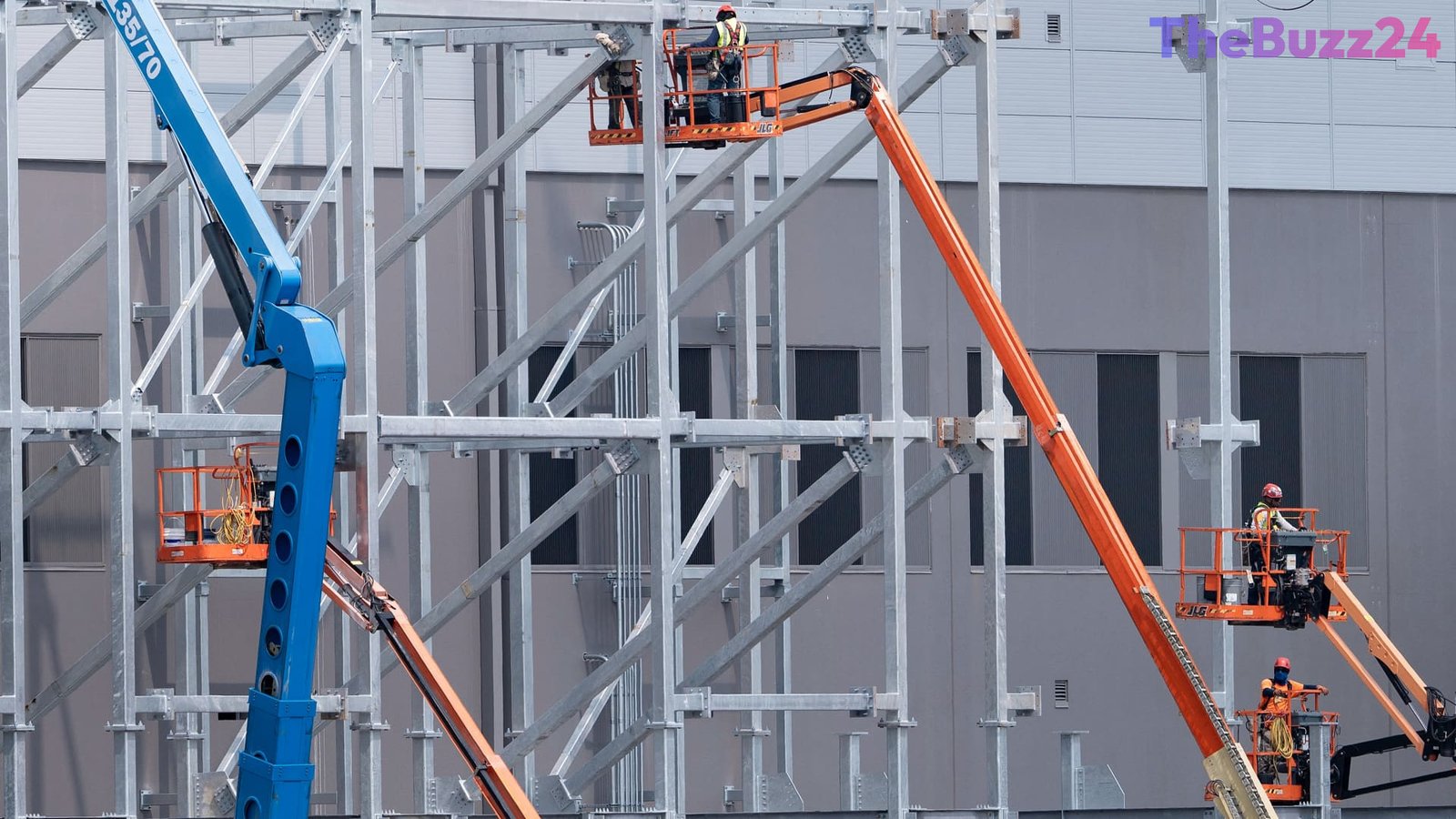
The artificial intelligence revolution is frequently discussed in terms of automation and job displacement, yet it is simultaneously fueling an unprecedented hiring surge for traditional blue-collar workers. Across the country, the construction and maintenance of massive data centers required to power advanced machine learning models have generated massive demand for welders, electricians, plumbers, and HVAC technicians. Major technology firms are investing billions of dollars into robust infrastructure projects, transforming quiet regional economies into bustling hubs of industrial activity.
This infrastructure wave offers lucrative compensation packages for skilled tradespeople. While entry-level technicians can secure solid middle-class incomes, highly specialized roles command significantly higher wages as employers compete for scarce talent. Small-town manufacturers and local suppliers are also reaping the rewards, expanding their workforces to produce vital cooling components, specialized piping, and thermal expansion joints. Educational institutions and trade schools are adapting quickly, partnering with industrial leaders to establish certification pipelines that prepare students for immediate entry into the workforce without requiring a traditional four-year college degree.
However, this economic growth is colliding with a wave of grassroots opposition. Local communities across the United States are pushing back against proposed facilities over concerns regarding heavy energy consumption, water strain, and grid reliability. Several state and local governments have implemented temporary freezes, moratoria, or stricter permitting requirements on new facility developments. Despite these regulatory hurdles and growing public skepticism, industry analysts suggest that the immediate labor demand will remain strong because numerous multi-billion-dollar projects have already been approved and are currently moving through the construction pipeline.
Key Takeaways
- The artificial intelligence boom is driving a major surge in employment for blue-collar trades, particularly electricians, welders, and HVAC technicians.
- Data center infrastructure projects are injecting billions into local economies and creating high-paying jobs that do not require advanced university degrees.
- Growing public backlash and state-level moratoria threaten future developments, though current projects already underway will sustain labor demand in the short term.
Editor’s Analysis & Impact
The intersection of artificial intelligence and physical infrastructure represents a fascinating paradox in the modern labor market. While software innovations typically threaten white-collar knowledge work, the heavy reliance of AI on physical data centers has unexpectedly catalyzed a renaissance for the skilled trades. This trend highlights a fundamental reality of the digital age: even the most abstract technological advancements require tangible, physical foundations—power grids, cooling systems, specialized piping, and robust construction.
However, the long-term sustainability of this blue-collar boom faces significant headwinds from public pushback and environmental concerns. Communities are increasingly resistant to the immense power and water footprints of these mega-facilities, leading to political friction and regulatory moratoria. For investors and industry leaders, navigating this friction will require greater transparency, better community engagement, and innovative approaches to energy efficiency. If developers fail to address local concerns, the geographic expansion of AI infrastructure could slow dramatically, eventually cooling the remarkable job growth currently benefiting the blue-collar sector.
Frequently Asked Questions
Q: Which blue-collar jobs are benefiting the most from the AI boom?
A: Welders, pipefitters, electricians, HVAC technicians, and construction workers are seeing the highest spikes in demand and wage growth due to data center buildouts.
Q: Why are local communities pushing back against new data centers?
A: Residents and local officials frequently oppose new facilities due to concerns over extreme energy consumption, strain on local electrical grids, high water usage, and discrepancies between promised economic benefits and the reality of long-term local jobs.
Q: Will public opposition immediately halt the current job growth in construction?
A: Experts believe that short-term labor demand will remain resilient because dozens of massive data center projects have already been approved and are actively under construction, though future pipelines could be impacted if moratoria spread.
AI Disclosure: This article is based on verified data and official reports. Our Team and AI have cross-referenced every financial detail with primary sources to ensure total accuracy.
More from this Category