China: The Unsung Frontier for AI Investment, Experts Urge Targeted Strategies
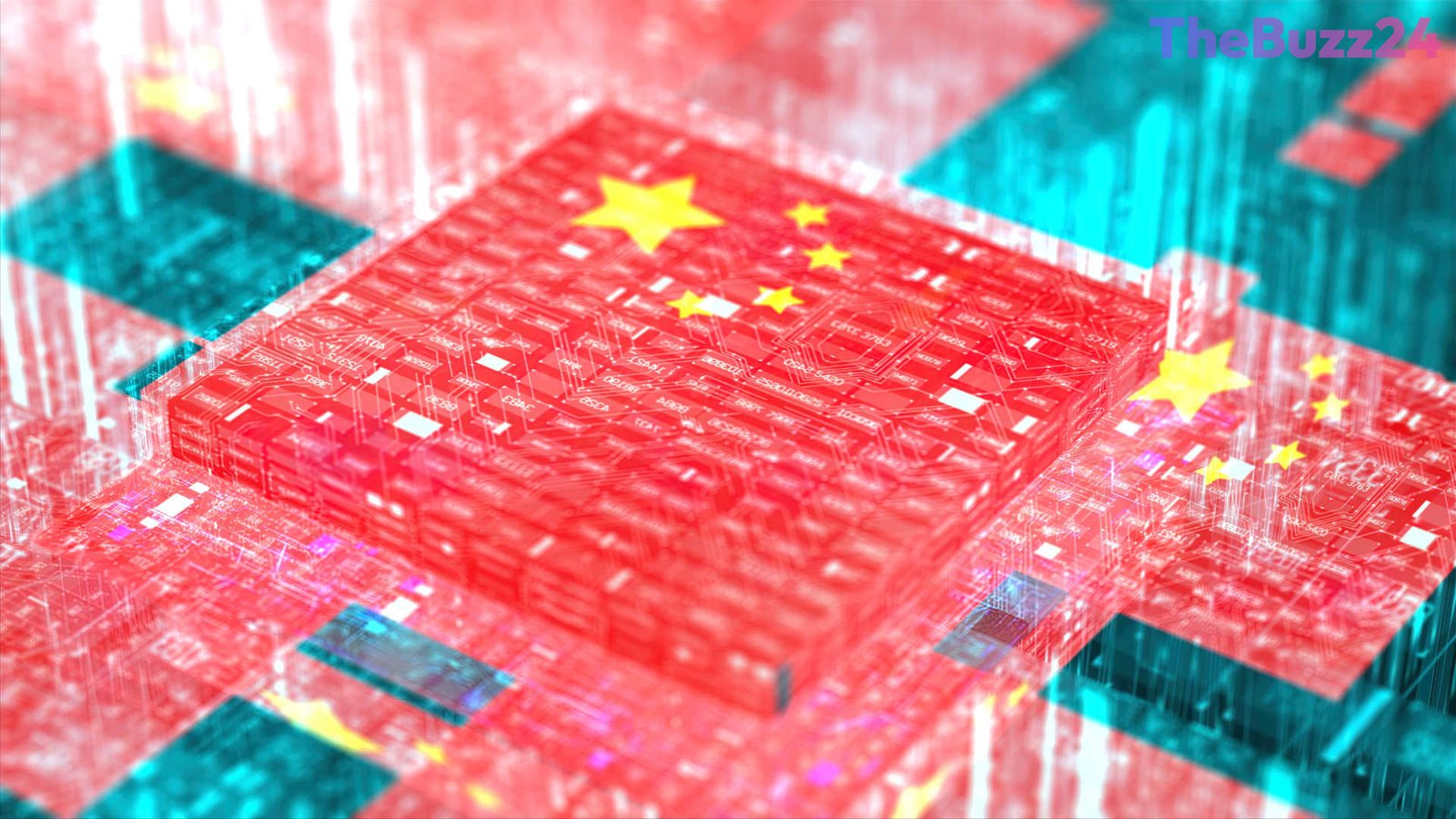
Investors aiming to increase their exposure to the burgeoning field of artificial intelligence are increasingly being directed towards China, a market identified as a critical, yet frequently missed, component in global portfolios. Andrew Mattock, a portfolio manager at Matthews Asia, emphasizes that a general approach to emerging markets often fails to capture significant AI opportunities within the world’s second-largest economy.
Mattock points out that conventional emerging market investment vehicles, such as broad MSCI products, typically allocate minimal exposure to Chinese AI innovators. For instance, a significant portion of the iShares MSCI Emerging Markets ETF is comprised of companies from South Korea and Taiwan, while the iShares MSCI China ETF itself does not specifically prioritize AI-centric stocks. His own Matthews China Fund, which dedicates at least 80% of its assets to Chinese companies, includes major players like Tencent and Alibaba among its top holdings, though the fund has seen a 4% decline year-to-date.
The focus on China for investment isn’t new, with prominent figures like billionaire hedge fund manager David Tepper of Appaloosa Management expressing renewed confidence in the market, stating he had increased his holdings across various Chinese assets. However, alongside this bullish sentiment, there’s a call for caution. Brendan Ahern, Chief Investment Officer at KraneShares, advises investors to consider strategies that can mitigate the inherent volatility of the Chinese market. He suggests utilizing options around China-focused ETFs, such as the KraneShares CSI China Internet ETF (KWEB), a tactic often employed by hedge funds to provide downside protection. Interestingly, KWEB shares top holdings like Tencent and Alibaba with the Matthews China Fund but has experienced a more substantial decline of over 27% this year.
Key Takeaways
- China is identified as a crucial, yet often overlooked, market for AI investment exposure.
- Traditional emerging market funds and even some China-specific ETFs may not adequately capture Chinese AI opportunities.
- Investors are advised to adopt targeted strategies and consider risk mitigation techniques like options for volatile Chinese markets.
Editor’s Analysis & Impact
This analysis highlights a crucial shift in investment strategy, advocating for a more granular approach to AI exposure by specifically targeting China rather than relying on broad emerging market funds. The disparity in performance between funds with similar top holdings (Matthews China Fund vs. KraneShares CSI China Internet ETF) underscores the importance of fund structure, specific mandates, and risk management strategies within the volatile Chinese market. For the industry, this suggests a growing need for specialized investment products and active management that can navigate the nuances of global tech markets. The broader implication is that China’s role in the global AI landscape is becoming too significant to ignore, compelling investors to develop sophisticated strategies to capitalize on its growth while mitigating inherent risks.
Frequently Asked Questions
Q: Why are traditional emerging market funds insufficient for AI exposure in China?
A: They often have limited allocation to Chinese companies, and even China-specific ETFs may not be focused on AI-centric stocks, with significant portions dedicated to other sectors or regions like South Korea and Taiwan.
Q: What are some strategies investors can use to mitigate risk when investing in Chinese AI?
A: Experts suggest adopting targeted investment approaches and considering the use of options around China-focused ETFs to provide downside protection against market volatility.
Q: Which major Chinese companies are frequently cited as key holdings in China-focused investment funds?
A: Tencent and Alibaba are consistently mentioned as significant holdings in various China-focused funds, reflecting their prominent positions in the Chinese tech and internet sectors.
AI Disclosure: This article is based on verified data and official reports. Our Team and AI have cross-referenced every financial detail with primary sources to ensure total accuracy.
More from this Category