The Hidden Financial Trap: Why Most Homeowners Are Dangerously Underinsured
A significant majority of homeowners are currently operating under a false sense of security regarding their property protection. Recent data analysis suggests that more than 70% of residential policyholders are underinsured by an average of 20%. This widespread coverage gap often remains undetected until a catastrophic event occurs, leaving families financially vulnerable when they need support the most. As natural disasters become more frequent and the costs of construction continue to climb, this ‘crisis of underinsurance’ threatens the stability of the average household’s largest financial asset.
The root of the problem lies in a combination of complex policy language, rising inflation, and a fundamental misunderstanding of what standard insurance contracts actually cover. Many homeowners mistakenly believe their policy provides comprehensive protection against all perils, when in reality, standard agreements often exclude or strictly cap coverage for events like flooding, earthquakes, and landslides. Furthermore, the rapid escalation in labor and material costs over the past few years means that many homes are insured for their original purchase price rather than the current, much higher cost of total reconstruction.
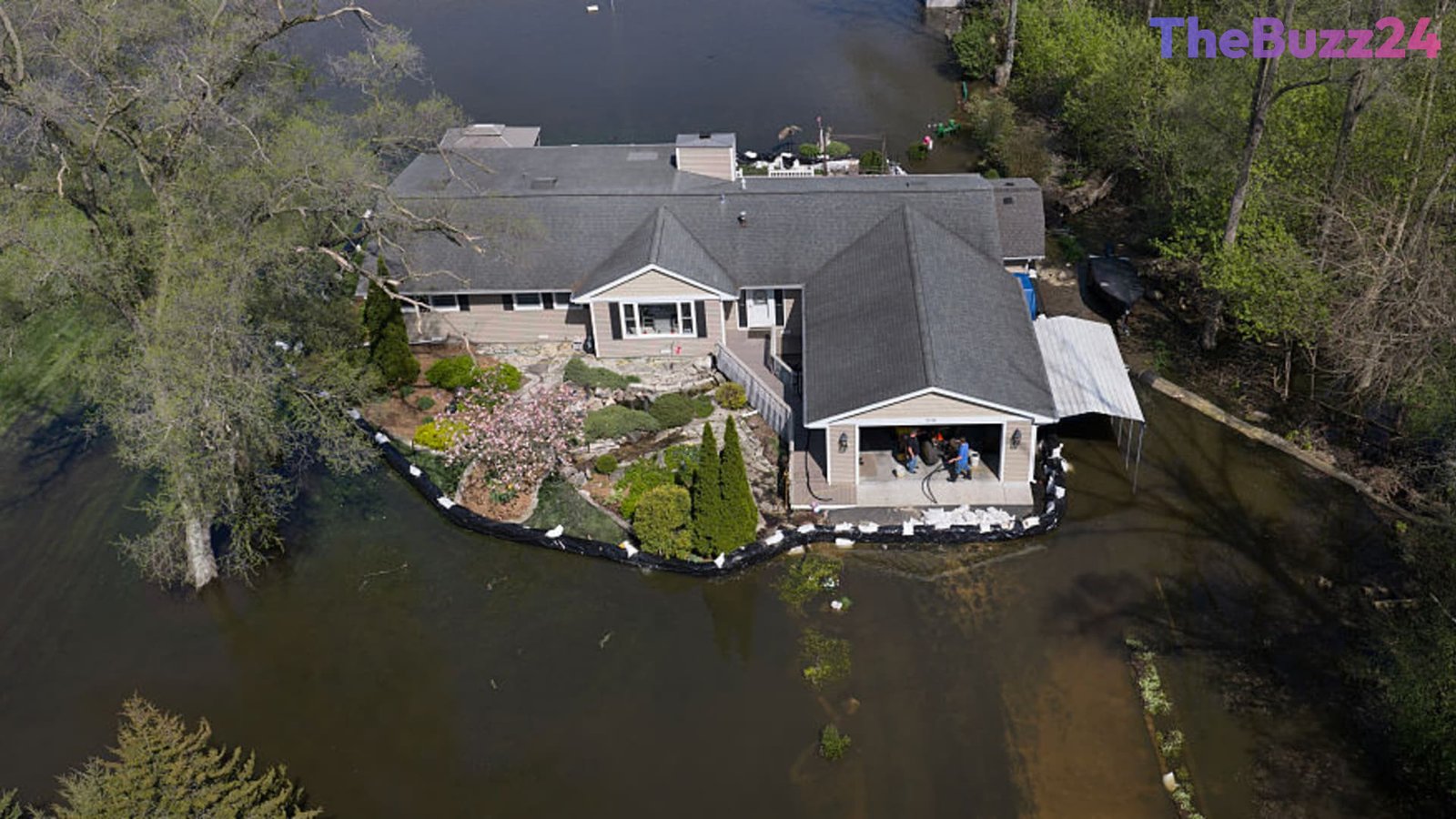
Experts emphasize that the time to address these gaps is well before a disaster strikes. Because flood insurance often requires a 30-day waiting period before taking effect, waiting until a storm is on the horizon is rarely an effective strategy. Beyond basic dwelling coverage, homeowners are encouraged to investigate ‘extended replacement cost’ add-ons and ‘ordinance or law’ coverage, which helps pay for the mandatory upgrades required to bring older homes up to modern building codes. Additionally, those with high-value personal property—such as jewelry, antiques, or specialized electronics—should verify their policy limits, as standard coverage often falls far short of the actual replacement value for these items.
Ultimately, the responsibility falls on the consumer to audit their coverage regularly. Relying on outdated policy limits in an era of soaring inflation is a recipe for financial hardship. By proactively reviewing policy declarations and consulting with professionals about potential coverage gaps, homeowners can better ensure that they have the necessary resources to rebuild their lives should the unexpected occur.
Key Takeaways
- Over 70% of homeowners are estimated to be underinsured by an average of 20%, leaving them financially exposed during disasters.
- Standard homeowners insurance policies typically exclude flood damage, which requires a separate policy to cover ground-up water intrusion.
- Rising construction and labor costs mean that many homes are insured for values that no longer reflect the actual expense of rebuilding.
Editor’s Analysis & Impact
The current state of the homeowners insurance market reflects a broader economic disconnect between historical policy valuations and modern replacement costs. As inflation drives up the price of raw materials and skilled labor, the ‘replacement cost’ metric used by insurers is lagging behind reality. This creates a systemic risk where homeowners are paying premiums for a false sense of security. Looking forward, we expect to see a shift toward more granular, modular insurance products as consumers demand transparency. However, the burden of proof remains on the policyholder. The industry is likely to face increased regulatory scrutiny regarding the clarity of policy language, but until then, the ‘underinsurance gap’ will remain a significant threat to middle-class wealth preservation, particularly in regions prone to climate-related volatility.
Frequently Asked Questions
Q: Does my standard homeowners insurance cover flood damage?
A: Generally, no. Standard policies typically cover water damage from the top down (like a leaking roof), but they exclude damage caused by water entering from the ground up, such as storm surges or overflowing rivers. You usually need a separate flood insurance policy.
Q: What is 'ordinance or law' coverage and why might I need it?
A: This is an optional add-on that covers the extra costs required to bring your home up to current building codes during a rebuild. If you have an older home, modern regulations may require more expensive wiring, insulation, or plumbing than what was originally installed, and standard policies often do not cover these code-mandated upgrades.
AI Disclosure: This article is based on verified data and official reports. Our Team and AI have cross-referenced every financial detail with primary sources to ensure total accuracy.
More from this Category