NFL Teams Deploy Advanced Drone Defense Systems Amid Rising Aerial Incursions
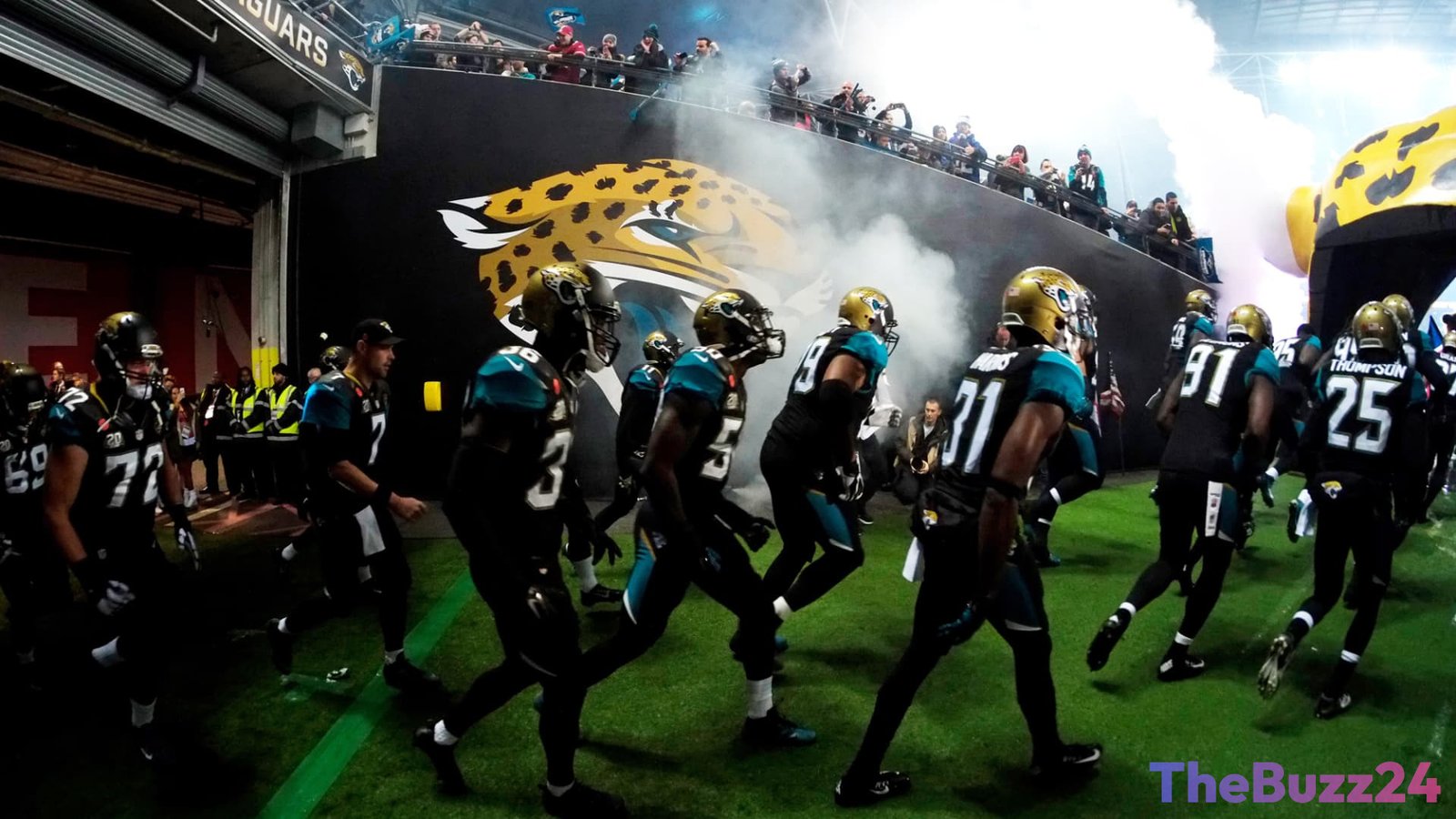
As the National Football League kicks off its latest season, a new layer of security is being implemented across stadiums: sophisticated drone defense technology. The Jacksonville Jaguars are leading the charge, becoming the first NFL team to publicly announce a partnership with a drone defense firm, Sentrycs, an Ondas company. This system is designed to safeguard EverBank Stadium from potential disruptions and security threats originating from unauthorized aerial vehicles.
The implementation comes as the NFL grapples with a significant increase in drone activity near its venues. Between 2021 and 2025, the league recorded over 10,000 drone violations around stadiums, with a few instances even causing game disruptions. Notably, a playoff game in Baltimore was halted due to a drone overhead in 2025, and a similar event occurred in 2023. While the league previously had detection capabilities, advancements now allow for active mitigation, including intercepting drone communications and safely landing the devices.
Sentrycs, which also provided services during the FIFA World Cup, employs a multi-faceted approach to drone defense. Their system utilizes radar, thermal imaging, and radio signal detection to identify threats. Once detected, operators can take control of the drone, guide it away from sensitive areas, and bring it down safely. The technology can also pinpoint the drone operator’s location, enabling swift law enforcement response. This proactive measure aims to address concerns ranging from mere annoyance to potential security risks, ensuring the safety of fans and the integrity of game-day operations.
The growing challenge of unauthorized drone activity has prompted leagues like the NFL and Major League Baseball to formally request additional resources from the Department of Homeland Security. Industry experts emphasize the need for continuous technological advancement and regulatory updates to keep pace with the rapidly evolving drone landscape. As drone accessibility increases, so does the imperative for robust defense mechanisms, not just for sporting events but also for other large public gatherings.
Key Takeaways
- The NFL is deploying advanced drone defense systems in stadiums to counter increasing aerial violations.
- The Jacksonville Jaguars are the first NFL team to publicly partner with a drone defense company, Sentrycs.
- The technology can detect, track, and neutralize unauthorized drones, with a focus on mitigating disruptions and security threats.
Editor’s Analysis & Impact
The integration of drone defense technology into major sporting venues like NFL stadiums signifies a critical evolution in event security. As drone technology becomes more accessible and sophisticated, the potential for interference and security breaches grows. This proactive approach by the NFL, exemplified by the Jaguars’ adoption of Sentrycs’ system, highlights a broader industry trend towards safeguarding public spaces from aerial threats. The challenge lies in balancing effective countermeasures with the rapid pace of drone innovation and regulatory frameworks. The success of these systems could set a precedent for other large-scale events, from concerts to festivals, underscoring the growing importance of counter-drone solutions in modern security strategies.
Frequently Asked Questions
Q: What is the primary goal of the new drone defense systems in NFL stadiums?
A: The primary goal is to detect, track, and neutralize unauthorized drones that could disrupt games, pose security risks, or interfere with stadium operations.
Q: How do these drone defense systems work?
A: These systems typically use a combination of radar, thermal imaging, and radio frequency detection to identify drones. Once detected, operators can intercept the drone's communication, take control, or guide it to a safe landing.
Q: What is the NFL's stance on drone violations?
A: The NFL has recorded a significant number of drone violations near stadiums and is actively seeking more resources and implementing advanced technologies to address this growing challenge, advocating for stronger regulations.
AI Disclosure: This article is based on verified data and official reports. Our Team and AI have cross-referenced every financial detail with primary sources to ensure total accuracy.
More from this Category