The AI Jobs Paradox: Why Strategic Planning is Essential to Prevent Economic Upheaval
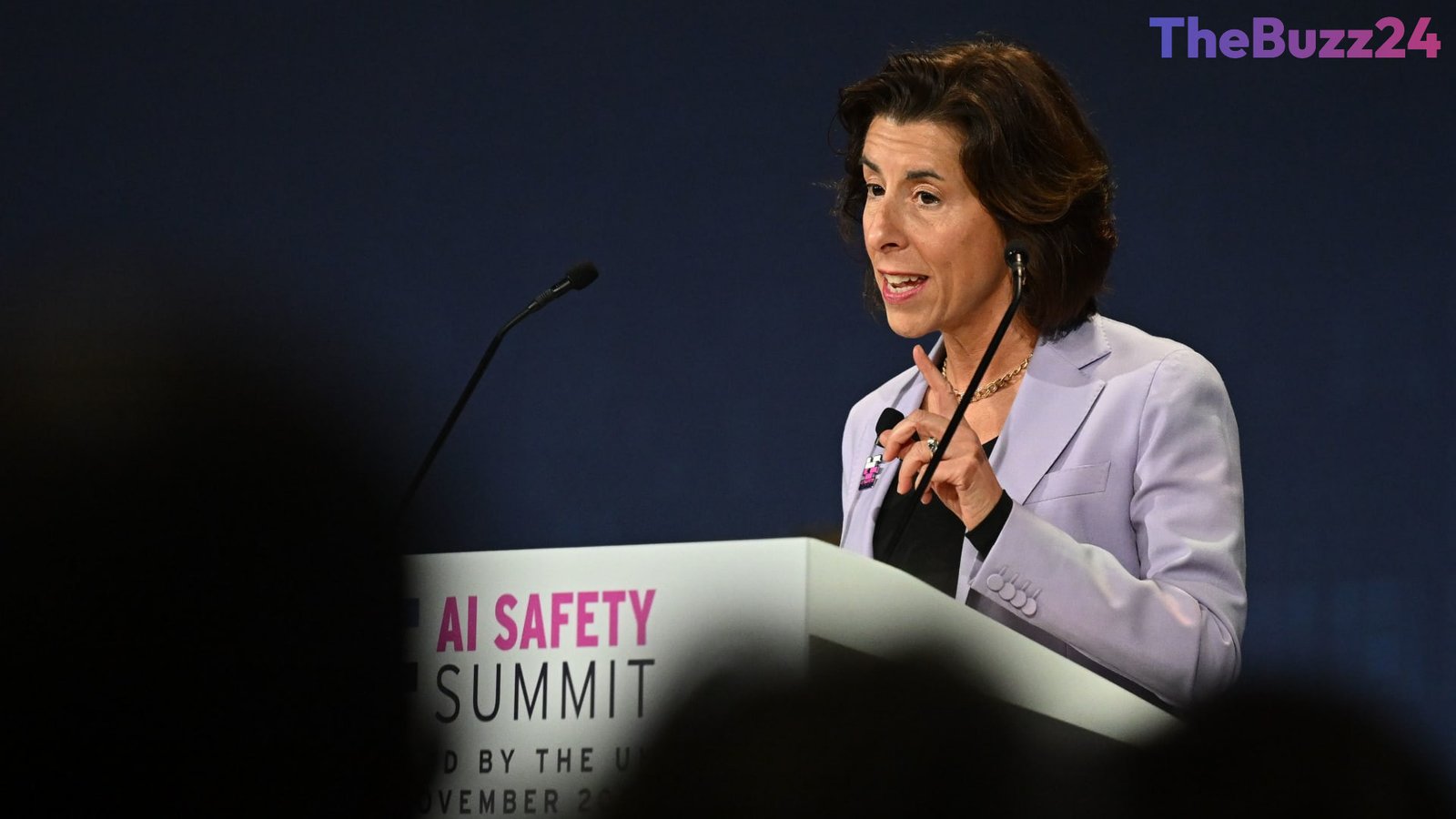
Former U.S. Commerce Secretary Gina Raimondo is sounding the alarm on the rapid integration of artificial intelligence into the workforce. While she maintains a long-term optimistic view that AI will eventually generate entirely new categories of employment, she warns that the short-term transition period poses a significant risk of mass layoffs. Without a proactive, coordinated strategy between government and private industry, she suggests the nation could face a deep, prolonged recession and severe social instability.
Raimondo, who now leads the nonprofit organization Raise Us, argues that the current market incentives are heavily skewed toward immediate cost-cutting. Because companies often face payroll taxes for human employees but incur no such costs for AI agents, the financial pressure to replace workers is immense. She believes that if millions of Americans are displaced without a robust safety net or retraining infrastructure, the resulting economic inequality could lead to widespread civil unrest and a fraying of democratic institutions.
To address these challenges, Raise Us is working with governors and corporate leaders in states like Arkansas, Utah, Maryland, and Connecticut to rethink labor policies. The organization is exploring new models for unemployment insurance, salary support, and tax incentives that discourage the wholesale replacement of human labor. Raimondo emphasizes that the current workforce system, largely unchanged since the Great Depression, is ill-equipped for an ‘agentic economy’ and requires a fundamental overhaul to ensure that the benefits of technological advancement are shared broadly rather than concentrated at the top.
Despite her concerns, Raimondo remains skeptical that federal legislative action will provide the necessary solutions in the near term. Instead, she is focusing on building a ‘coalition of the willing’ among CEOs and policymakers who recognize the existential threat posed by unchecked automation. By aligning private capital with public policy, she hopes to create a bridge for workers—particularly older employees and those in vulnerable sectors—to transition into the new economy before the displacement becomes irreversible.
Key Takeaways
- Former Commerce Secretary Gina Raimondo warns that a lack of planning for AI integration could lead to mass unemployment and deep economic recession.
- Current tax structures incentivize companies to replace human workers with AI agents to avoid payroll taxes, driving short-term layoff trends.
- The nonprofit Raise Us is partnering with state governors and corporations to pilot new labor policies, including updated unemployment insurance and retraining programs.
Editor’s Analysis & Impact
The discourse surrounding AI-driven labor displacement has shifted from theoretical speculation to a pressing policy concern. Raimondo’s analysis highlights a critical market failure: the misalignment of incentives where short-term profit maximization through automation directly threatens long-term social stability. The broader implication is that the ‘AI revolution’ will not be self-regulating; without a fundamental redesign of the social contract—including how we tax labor and support displaced workers—the transition risks exacerbating existing wealth inequality. The future outlook suggests that companies prioritizing ‘responsible AI’ adoption may face competitive disadvantages unless policy frameworks are updated to level the playing field. Ultimately, the success of this transition depends on whether private sector leaders can be convinced that long-term economic health is more valuable than immediate quarterly gains.
Frequently Asked Questions
Q: What is the primary goal of the nonprofit organization Raise Us?
A: Raise Us aims to connect private capital with government policy to create solutions for workers facing displacement due to AI, ensuring a planned transition that prevents mass unemployment.
Q: Why does Gina Raimondo believe current tax policies encourage AI-driven layoffs?
A: She notes that employers pay payroll taxes for human workers but face no such taxes for AI agents, creating a financial incentive for companies to replace employees with technology to maximize short-term profits.
AI Disclosure: This article is based on verified data and official reports. Our Team and AI have cross-referenced every financial detail with primary sources to ensure total accuracy.
More from this Category