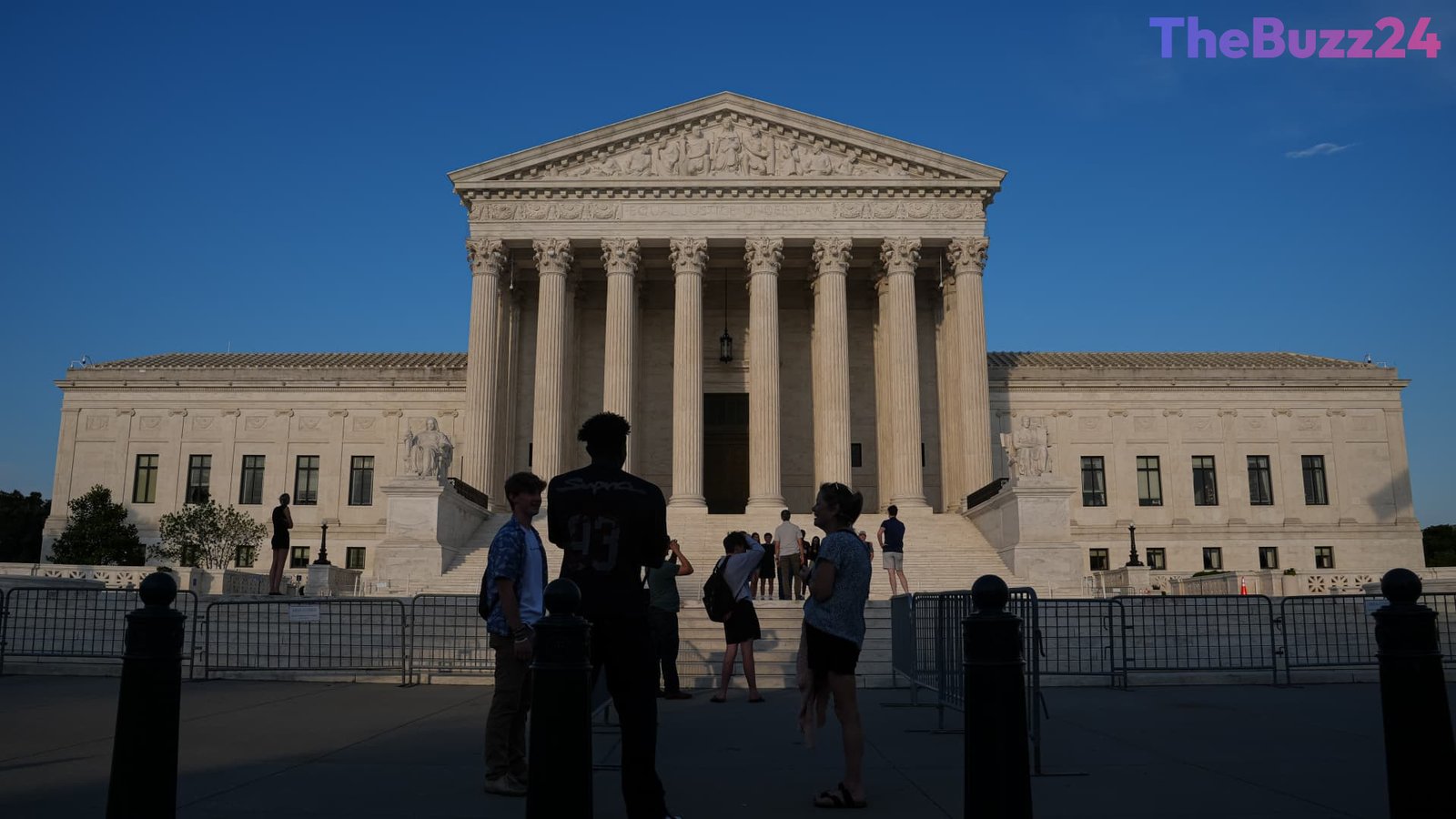
Supreme Court Greenlights Resumption of Third-Country Migrant Deportations
The U.S. Supreme Court has issued a stay on a lower court ruling, allowing the administration to resume the deportation of migrants to third-party countries. This policy, which bypasses the standard requirement for migrants to demonstrate potential harm in their home nations, serves as a critical component of the administration’s broader immigration enforcement strategy. The decision effectively pauses a ruling by a Boston-based U.S. District Judge that had previously declared the Department of Homeland Security’s removal policy unlawful.
Since its implementation last year, the policy has resulted in the removal of over 25,000 individuals to 29 different nations, with Mexico receiving the highest volume of deportees. The administration maintains that these removals are a vital mechanism for managing immigration, particularly when dealing with individuals who cannot be returned to their countries of origin. Officials argue that the policy is necessary to address security concerns and manage the influx of migrants effectively, asserting that diplomatic assurances from receiving nations mitigate risks of persecution.
However, the policy faces intense scrutiny from human rights organizations and legal advocates who argue it violates due process protections under the Fifth Amendment. Critics contend that the administration is failing to provide adequate notice or hearings, potentially exposing vulnerable populations—including those already granted legal protection—to torture, violence, or further displacement. Reports indicate that some individuals deported under this program have faced physical assault, detention, or disappearance upon arrival in third-party nations, prompting warnings from international human rights experts regarding the safety of children, victims of trafficking, and other marginalized groups.
Key Takeaways
- The Supreme Court has allowed the administration to continue deporting migrants to third countries while the legal challenge proceeds.
- The policy has been used to remove over 25,000 migrants to 29 countries, often without providing them a formal opportunity to contest potential harms.
- Human rights advocates and UN experts warn that the practice risks exposing vulnerable individuals to persecution, torture, and human rights abuses.
Editor’s Analysis & Impact
The Supreme Court’s decision to stay the lower court’s injunction signals a significant judicial deference to executive authority in matters of immigration and national security. By allowing the administration to continue these removals, the Court has effectively prioritized the government’s operational capacity for mass deportation over the immediate due process concerns raised by plaintiffs. This development underscores a deepening divide between executive immigration enforcement priorities and judicial oversight regarding constitutional protections for non-citizens. Moving forward, the final resolution of this case will likely set a major precedent for the limits of administrative power in international removals. The broader implication is a shift toward more aggressive, expedited deportation protocols that may permanently alter the landscape of U.S. asylum and immigration law, potentially inviting further international diplomatic friction regarding the treatment of displaced persons.
Frequently Asked Questions
Q: What is the 'third-country' deportation policy?
A: It is an immigration enforcement policy that allows the U.S. to deport migrants to countries other than their home nations, often without a formal hearing to assess the risks of persecution or torture those individuals might face in the destination country.
Q: Why are human rights groups opposing this policy?
A: Critics argue the policy violates the Fifth Amendment's due process protections by denying migrants notice and a fair opportunity to assert their safety concerns, potentially leading to human rights abuses in the countries where they are sent.
AI Disclosure: This article is based on verified data and official reports. Our Team and AI have cross-referenced every financial detail with primary sources to ensure total accuracy.
More from this Category