NASA Eyes Nuclear Power for Lunar Bases, Seeks Industry Collaboration
NASA is actively seeking partnerships with private industry to design, develop, and test the first nuclear reactor intended for use on the Moon. This initiative marks a significant stride towards establishing a permanent human presence beyond Earth.
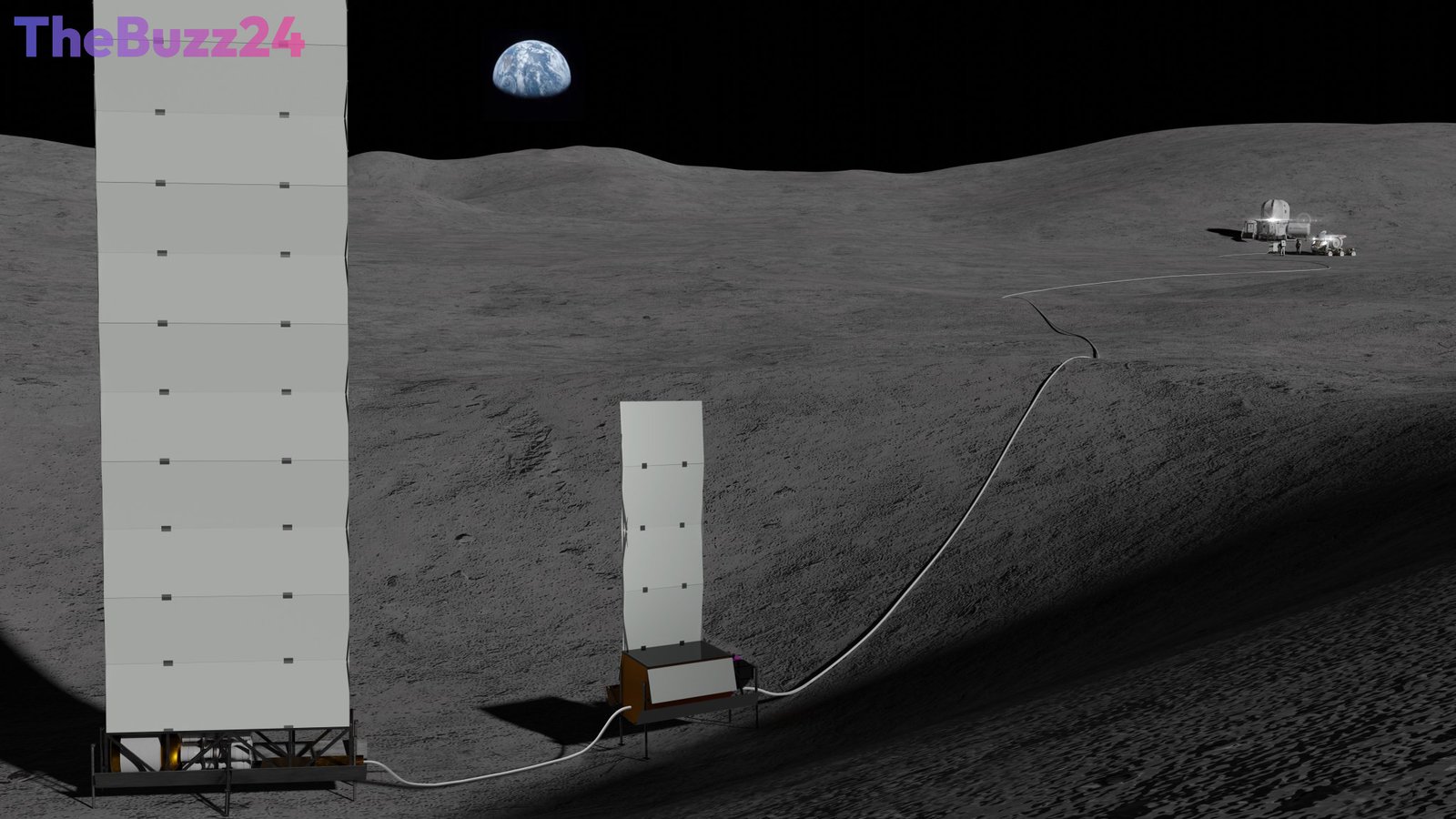
The proposed Lunar Reactor-1 (LR-1) is envisioned as a compact fission power system capable of generating 20 kilowatts of electricity. This output is comparable to the annual energy consumption of roughly 16 average American households and would be crucial for powering future lunar habitats, communication networks, robotic explorers, scientific instruments, and other essential infrastructure for a potential Moon base.
NASA’s ambitious timeline aims for a launch-ready system by 2030, with plans for the reactor to operate on the lunar surface for a minimum of five years. A key advantage of nuclear power over solar energy is its ability to generate electricity continuously, irrespective of sunlight availability. This is particularly vital for overcoming the challenges posed by the Moon’s approximately two-week-long nights, enabling uninterrupted operations in areas with limited or no solar exposure.
“This request for proposals represents an important step forward as NASA partners with industry to establish an enduring human presence on the lunar surface,” stated Brian Giblin, NASA’s Lunar Reactor-1 program manager. “A reliable source of safe and abundant energy will be vital to future exploration of the lunar and Martian surface. Space nuclear systems will provide continuous power to NASA assets in any environment without dependency on sunlight.”
The agency’s Space Power and Reactor Capabilities Request for Proposals incorporates feedback from industry stakeholders, following a draft proposal release and an industry day event. The solicitation mandates that the reactor must adhere to Department of Energy safety standards for nuclear operations. While the immediate focus is on the LR-1, NASA may extend support to other space nuclear power system developments. Industry proposals are due by December 21st.
Key Takeaways
- NASA is initiating a project to develop the first nuclear reactor for lunar deployment, aiming for a 2030 launch.
- The Lunar Reactor-1 (LR-1) will provide 20 kilowatts of continuous power, essential for sustained lunar operations and overcoming lunar night challenges.
- The agency is collaborating with industry partners and requires adherence to Department of Energy safety standards for the nuclear system.
Editor’s Analysis & Impact
NASA’s push for lunar nuclear power signifies a critical pivot in space exploration strategy, moving beyond solar limitations to enable long-term extraterrestrial presence. The LR-1 project, alongside the SR-1 Freedom initiative for Mars, underscores a broader commitment to advancing space nuclear technology. This development is poised to revolutionize deep space missions by providing reliable, continuous power, potentially accelerating human and robotic exploration across the solar system. The collaboration with industry and adherence to stringent safety standards suggest a pragmatic approach to de-risking this complex technology, paving the way for a new era of space infrastructure and resource utilization.
Frequently Asked Questions
Q: What is the primary goal of NASA's Lunar Reactor-1 (LR-1) project?
A: The primary goal of the LR-1 project is to develop and deploy the first nuclear reactor on the Moon to provide a continuous and reliable source of electricity, supporting sustained human presence and operations on the lunar surface.
Q: How much power will the LR-1 generate, and what can it support?
A: The LR-1 is designed to generate 20 kilowatts of electricity, which is enough to power approximately 16 average U.S. households. This power could support future lunar habitats, communication systems, rovers, scientific instruments, and other essential infrastructure.
Q: What are the advantages of using a nuclear reactor over solar power on the Moon?
A: Unlike solar power, which is dependent on sunlight, a nuclear reactor can generate electricity continuously, even during the Moon's approximately two-week-long nights. This ensures uninterrupted power supply, which is crucial for long-term lunar missions, especially in areas with limited sunlight.
AI Disclosure: This article is based on verified data and official reports. Our Team and AI have cross-referenced every financial detail with primary sources to ensure total accuracy.
More from this Category