Senate Lawmakers Move to Shield Mercedes-Benz and Allied Automakers from Sweeping Chinese Vehicle Ban
U.S. lawmakers advancing aggressive legislation to curb Chinese influence in the domestic automotive sector are actively revising statutory thresholds to prevent collateral damage to established Western brands like Mercedes-Benz. The bipartisan measure, previously advanced by the Senate Commerce Committee, seeks to prohibit sales from vehicle manufacturers with more than 15 percent Chinese equity ownership. However, this benchmark inadvertently threatens the German luxury icon, which carries roughly 20 percent passive ownership from Chinese investors, alongside other European manufacturers such as Volvo, Lotus, and Aston Martin.
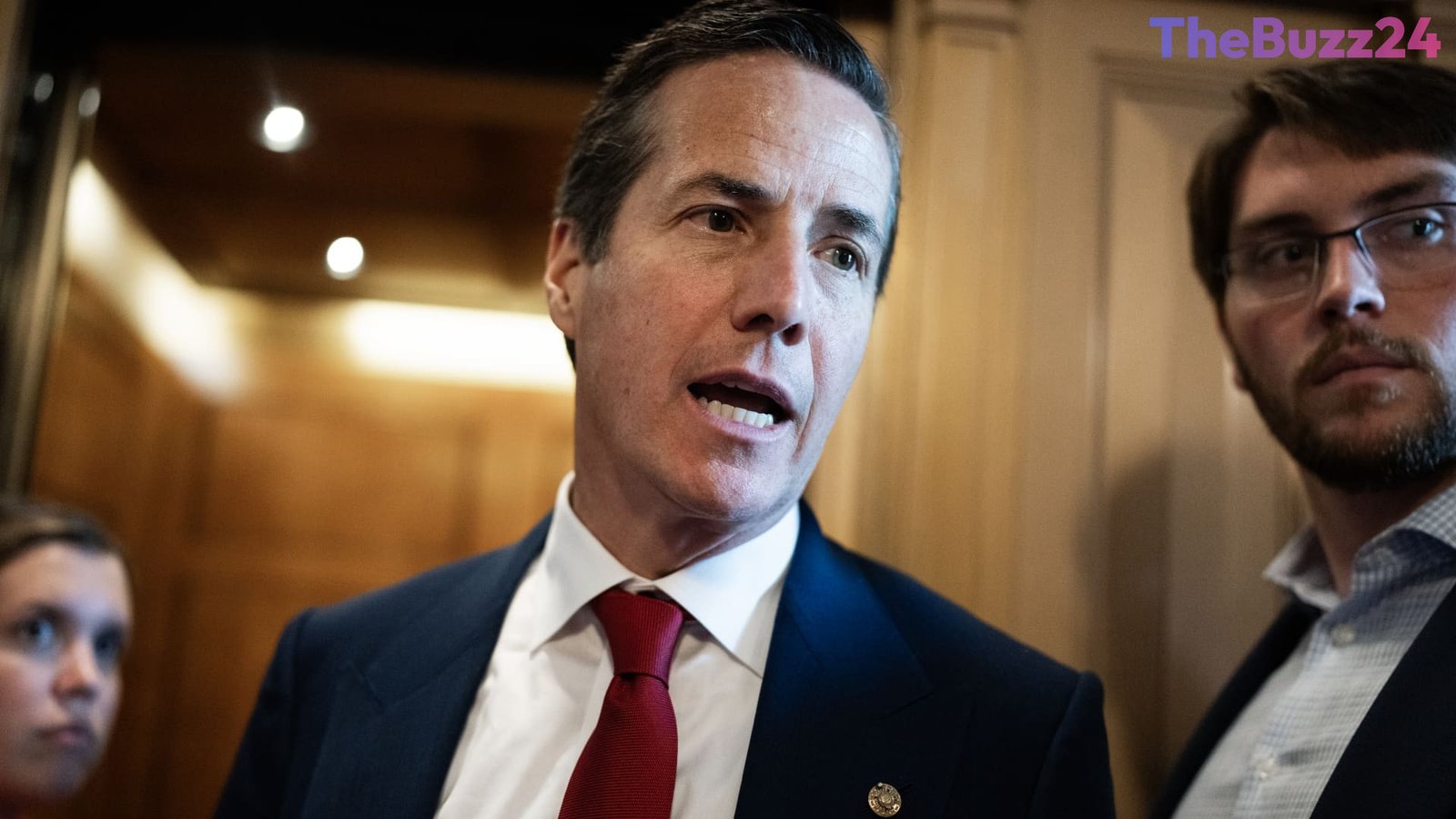
Senator Bernie Moreno, a primary Republican backer of the bill, emphasized that Congress has no intention of prohibiting Mercedes-Benz from operating in the United States. Negotiators are currently hammering out statutory revisions to safeguard the automaker without undermining the primary goal of cutting off Chinese state-linked automotive interests. Lawmakers are aiming for rapid passage, though opposition from Senator Rand Paul—who argued the current wording unfairly penalizes global brands through broad ownership definitions—remains a major hurdle to immediate unanimous consent.
The controversy surrounding the ownership threshold arrives amid broader debates over Washington’s protectionist automotive strategies. While co-sponsor Senator Elissa Slotkin noted overwhelming bipartisan consensus for the national security initiative, foreign automotive groups are closely tracking how ownership lines will be redrawn. Brands like Geely-backed Volvo and Aston Martin also face scrutiny under the proposed caps, prompting lawmakers to explore nuanced regulatory classifications that differentiate between passive foreign investment and direct state control over vehicle software and operational systems.
The push to curtail Chinese vehicle access builds on existing measures, including elevated tariffs on electric vehicles and stringent restrictions addressing connected-vehicle data security. However, conflicting signals from political leaders regarding foreign manufacturing on domestic soil have amplified anxiety among automotive suppliers and legacy manufacturers. Industry stakeholders continue to push for explicit federal frameworks that maintain competitive boundaries while preventing unintended disruptions to legacy global supply chains.
Key Takeaways
- U.S. senators are restructuring a bill targeting Chinese-linked vehicles to exempt Western automakers such as Mercedes-Benz from unintended bans.
- The proposed legislation originally capped Chinese ownership at 15 percent, inadvertently threatening brands like Mercedes-Benz, Volvo, and Aston Martin.
- Bipartisan sponsors are racing to resolve concerns raised by Senator Rand Paul to fast-track passage through Congress.
Editor’s Analysis & Impact
The legislative struggle over the Chinese vehicle bill illustrates the immense complexity of disentangling global supply chains and cross-border corporate shareholdings. In an era where legacy European automakers have courted significant equity investment from Chinese firms to finance transitions to electrification, blanket ownership caps inevitably result in severe regulatory friction. While the bill aims to address critical national security concerns regarding connected-car telematics and consumer data privacy, rigid equity thresholds risk provoking trade disputes with traditional European allies. Moving forward, lawmakers must carefully delineate between passive equity holdings and active operational governance. If Congress fails to adopt clear, surgical definitions, the policy could destabilize the domestic luxury vehicle market and invite retaliatory protectionist measures worldwide.
Frequently Asked Questions
Q: Why is Mercedes-Benz impacted by a U.S. bill aimed at Chinese vehicles?
A: Mercedes-Benz has roughly 20 percent passive ownership held by Chinese entities, putting it above the proposed 15 percent foreign-ownership cap outlined in the draft legislation.
Q: What other vehicle brands could face restrictions under the proposed rules?
A: Automakers with substantial Chinese investment, including Volvo, Lotus, and Aston Martin—which have minority or majority backing from China's Geely—could face similar restrictions under the original text.
Q: What are the primary national security concerns driving this legislation?
A: U.S. policymakers are primarily concerned that smart, internet-connected vehicles linked to Chinese entities could transmit sensitive driver telematics and geospatial data overseas, creating privacy and security vulnerabilities.
AI Disclosure: This article is based on verified data and official reports. Our Team and AI have cross-referenced every financial detail with primary sources to ensure total accuracy.
More from this Category