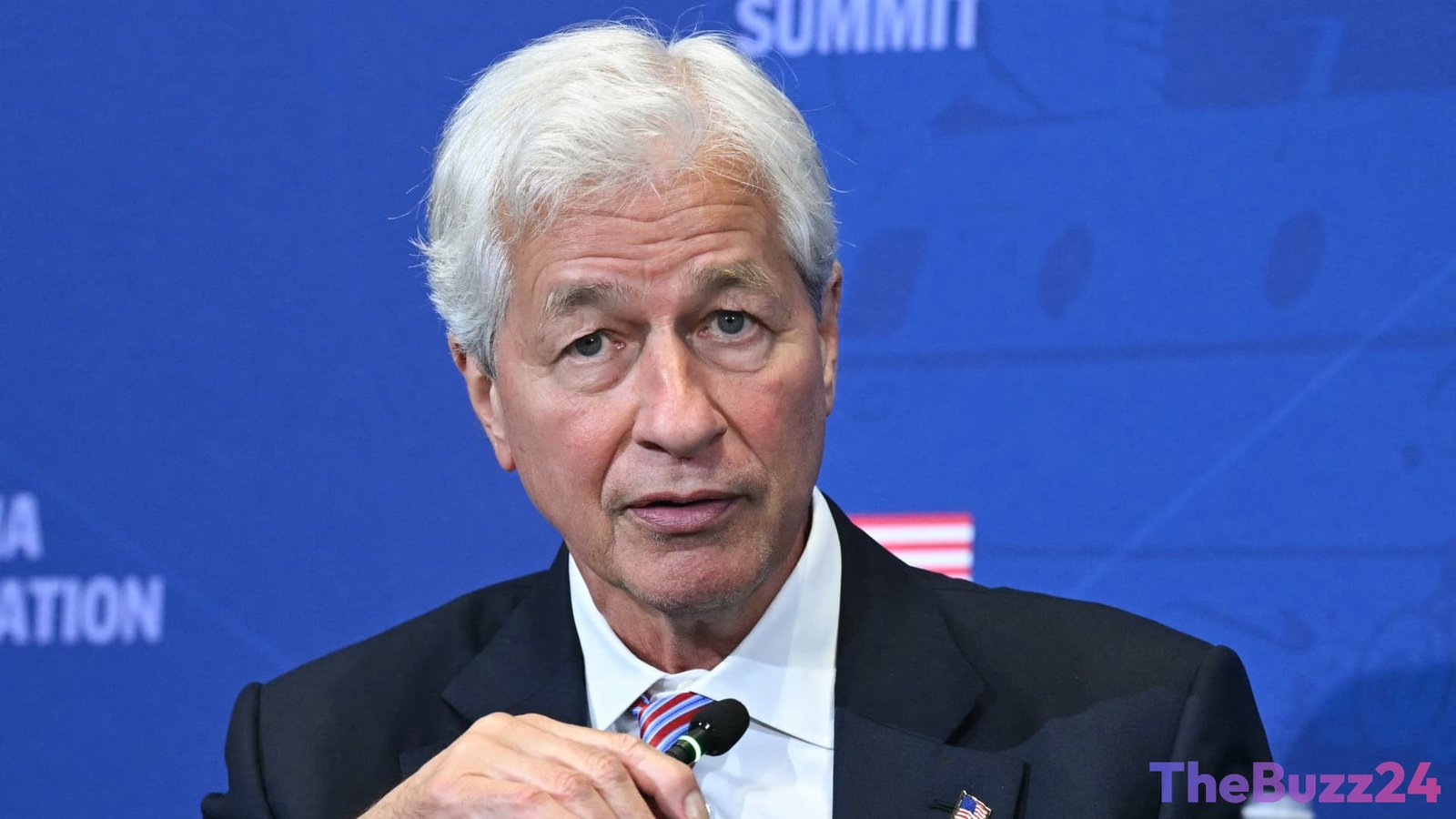
Jamie Dimon’s Vision: A ‘Big, Beautiful’ Trade Deal to Strengthen the West
JPMorgan Chase CEO Jamie Dimon has put forth a bold vision for revitalizing the Western world, advocating for a comprehensive economic and free-trade agreement between the United States and Europe. This ambitious proposal suggests that such a pact could serve as a powerful incentive for Europe to undertake crucial, long-awaited reforms, including the full integration of its capital markets and banking single market unions. Dimon emphasizes that a stronger, more unified Europe, capable of bolstering its defense capabilities and reducing strategic dependencies, is essential for standing alongside the U.S. in the face of growing autocratic pressures globally.
The banking chief’s impassioned argument for enhanced free trade extends beyond the transatlantic relationship, suggesting the agreement could eventually encompass other key democratic allies such as Canada, Mexico, Japan, South Korea, Australia, and the Philippines. Dimon posits that seamless trade ties would be a “game changer” for these nations, enabling them to collectively establish global trade rules and solidify their bonds against external challenges. This perspective notably contrasts with the protectionist tariff policies that have characterized recent U.S. administrations, which have strained relationships with major trade partners like the European Union and Canada.
Dimon specifically highlighted Europe’s imperative to complete its Capital Markets Union and Banking Union to significantly boost its economic competitiveness. He also stressed the importance of fulfilling recommendations from reports like the Draghi report and ensuring the bloc’s independence in defense, manufacturing, and energy sectors. A Europe that can effectively mobilize capital, scale innovative companies, consolidate defense production, and achieve stronger growth would not only be a more capable security and economic partner but also a more robust counterweight to the economic influence of nations like China. Dimon has previously voiced concerns about Europe’s economic trajectory, noting its struggles compared to the U.S. and Asia.
Ultimately, Dimon’s plan envisions a renewed commitment to American values and alliances, coupled with Europe’s bold reforms, as a “geopolitical and economic home run.” He believes this dual approach would guarantee the Western world’s strength and prosperity for centuries to come, ensuring its continued preeminence as a global military and economic power while reinvigorating the “American dream” for its citizens.
Key Takeaways
- JPMorgan CEO Jamie Dimon advocates for a major U.S.-Europe free trade agreement to revitalize the Western world.
- The proposed deal is contingent on Europe undertaking significant economic and military reforms, including completing its capital markets and banking unions.
- The initiative aims to strengthen the Western alliance, set global trade rules, and counter autocratic pressures from nations like China.
Editor’s Analysis & Impact
Jamie Dimon’s proposal underscores a significant strategic pivot for the Western alliance, moving beyond traditional security pacts to a comprehensive economic integration model. If realized, such a “big, beautiful” trade deal could dramatically reshape global trade dynamics, potentially boosting transatlantic investment, fostering innovation, and accelerating economic growth across participating nations. For Europe, completing its capital markets and banking unions would unlock substantial capital, enhancing its competitiveness and resilience. However, the plan faces considerable political hurdles, particularly given current protectionist sentiments in some Western nations and the complexities of achieving consensus on deep structural reforms within the EU. Its success would hinge on strong political will and a shared long-term vision to counter geopolitical rivals and solidify democratic alliances.
Frequently Asked Questions
Q: What is Jamie Dimon's core proposal for the West?
A: Jamie Dimon proposes a comprehensive "big, beautiful" economic and free-trade agreement between the United States and Europe, which could also extend to other democratic allies.
Q: What conditions does Europe need to meet for this agreement?
A: Europe would need to implement significant economic and military reforms, including completing its Capital Markets Union and Banking Union, bolstering defense capabilities, and reducing strategic dependencies.
Q: What is the ultimate goal of this proposed trade deal?
A: The ultimate goal is to strengthen the Western world's economic and military power, enable democratic allies to set global trade rules, and create a stronger counterweight against autocratic pressures and the economic influence of rivals like China.
AI Disclosure: This article is based on verified data and official reports. Our Team and AI have cross-referenced every financial detail with primary sources to ensure total accuracy.
More from this Category