Tesla Bolsters Financial War Chest with $30 Billion Credit Expansion
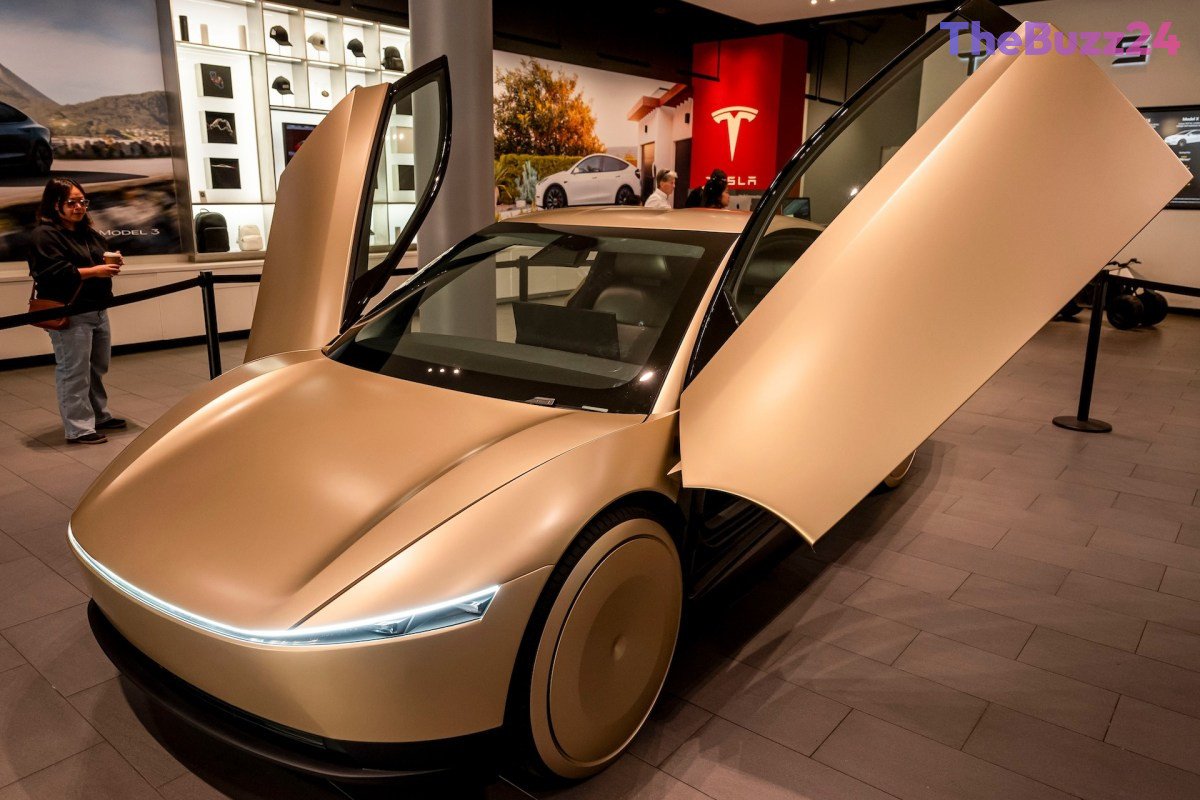
Tesla has significantly strengthened its financial position by securing $30 billion in new credit facilities. This capital infusion is earmarked to support the aggressive scaling of the company’s next-generation product lineup, which includes the Cybercab robotaxi, the Optimus humanoid robot, and the Tesla Semi truck. These initiatives represent a major shift toward autonomous transportation and robotics, requiring substantial investment in specialized manufacturing infrastructure.
The financing package is comprised of a $20 billion three-year delayed-draw term loan provided by Citibank, alongside an $8 billion five-year revolving credit facility and a $2 billion 364-day revolving facility, both managed by Wells Fargo. Despite the scale of these agreements, Tesla indicated in a recent regulatory filing that it does not intend to utilize these credit lines within the current calendar year.
This move comes as the company prepares for a projected capital expenditure of at least $25 billion by 2026. With a robust balance sheet already featuring over $40 billion in cash and investments against roughly $9 billion in existing debt, the new credit lines serve as a strategic buffer. By securing these funds now, Tesla ensures it has the liquidity necessary to build out the dedicated factories required to bring its ambitious robotics and autonomous vehicle projects to mass production.
Key Takeaways
- Tesla has finalized $30 billion in new credit facilities with Citibank and Wells Fargo to support future manufacturing.
- The funds are designated for scaling production of the Cybercab, Optimus robot, and the Tesla Semi.
- Tesla maintains a strong cash position of over $40 billion and does not plan to draw on these new credit lines in 2025.
Editor’s Analysis & Impact
Tesla’s decision to secure $30 billion in credit, despite already holding a massive cash reserve, signals a shift toward a more capital-intensive phase of its corporate lifecycle. By moving beyond traditional automotive manufacturing into robotics and autonomous ride-hailing, the company is effectively hedging against the high costs of building dedicated, high-tech production lines. This move provides Tesla with the flexibility to accelerate its ‘Master Plan’ without diluting shareholder equity or risking liquidity during potential economic downturns. The market will likely view this as a vote of confidence from major financial institutions, reinforcing the long-term viability of the Optimus and Cybercab programs. However, the success of this strategy now hinges on Tesla’s ability to transition these complex technologies from prototypes to profitable, mass-market products within the projected 2026 timeline.
Frequently Asked Questions
Q: Does Tesla plan to use the $30 billion immediately?
A: No, Tesla stated in its regulatory filing that it does not intend to draw on these new credit facilities during the current year.
Q: What specific products will these funds support?
A: The capital is intended to scale the manufacturing of the Cybercab robotaxi, the Optimus humanoid robot, and the Tesla Semi.
AI Disclosure: This article is based on verified data and official reports. Our Team and AI have cross-referenced every financial detail with primary sources to ensure total accuracy.
More from this Category