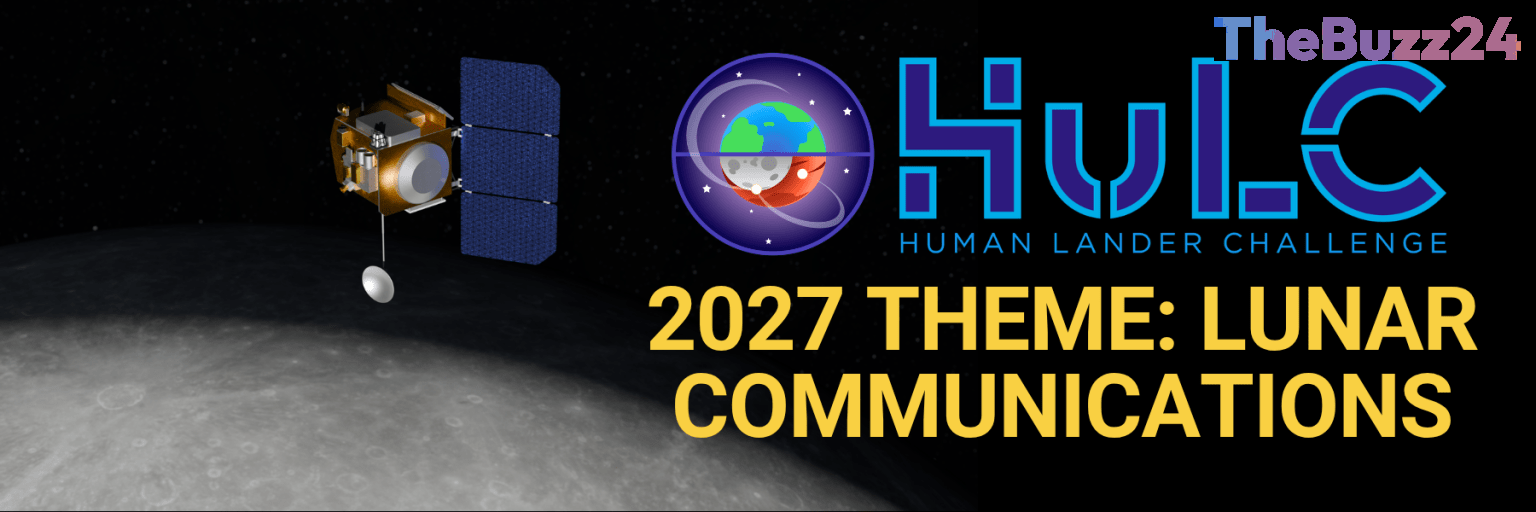
NASA Launches 2027 Student Challenge to Solve Lunar Communication Hurdles
As humanity prepares for a sustained presence on the Moon through ongoing exploration initiatives, establishing robust communication infrastructure remains a top priority. In an effort to tackle this engineering hurdle, university students across the United States are being called upon to design innovative connectivity solutions for upcoming lunar missions. The initiative seeks fresh, systems-level approaches that can be integrated into landers and surface operations within the next few years.
Maintaining reliable links between astronauts, rovers, habitats, and mission control centers on Earth is vital for ensuring safety and executing complex surface operations. The upcoming competition invites student teams and faculty advisors to focus on three distinct technical pillars: hardware developments like space-rated wireless electronics and antenna modeling; software enhancements for data efficiency and network management; and overarching surface or orbital architecture designs.
Participants interested in joining the competition must submit a non-binding notice of intent by mid-October, followed by comprehensive proposal packages and introductory videos due in early 2027. Following an initial evaluation phase, up to twelve finalist teams will be awarded financial backing to further develop their concepts. These finalists will then present their final designs during a specialized review event, where top-performing groups will secure additional monetary prizes for their contributions to aerospace engineering.
Key Takeaways
- NASA has officially launched the 2027 Human Lander Challenge, targeting university students to solve critical lunar communication challenges.
- The competition focuses on three main categories: hardware, software, and system architecture for lunar surface and orbital operations.
- Selected finalist teams will receive funding to advance their designs and present them during a final review event in Huntsville, Alabama.
Editor’s Analysis & Impact
The decision to crowdsource engineering solutions for lunar communication highlights a broader industry shift toward engaging academic talent and non-traditional aerospace innovators. As missions under the Artemis program evolve from brief visits to long-term habitation, overcoming signal degradation, environmental interference, and bandwidth limitations on the lunar surface becomes paramount. Engaging students not only accelerates innovative R&D but also cultivates the next generation of aerospace professionals who will ultimately support humanity’s expansion deeper into the solar system, including future crewed missions to Mars.
Frequently Asked Questions
Q: Who is eligible to participate in the 2027 Human Lander Challenge?
A: The competition is open to United States-based collegiate teams alongside their faculty advisers.
Q: What are the primary focus areas for the student proposals?
A: Teams can submit solutions focusing on hardware (such as wireless networks and antennas), software (data efficiency and network scheduling), and overarching architecture for surface and orbital systems.
Q: What rewards are available for participating teams?
A: Up to 12 finalist teams will receive $9,000 to advance to phase 2, and the top three teams will share an additional prize pool of $18,000.
AI Disclosure: This article is based on verified data and official reports. Our Team and AI have cross-referenced every financial detail with primary sources to ensure total accuracy.
More from this Category