Flydubai Tel Aviv-Bound Flight Diverts to Saudi Arabia Following Cockpit Altercation
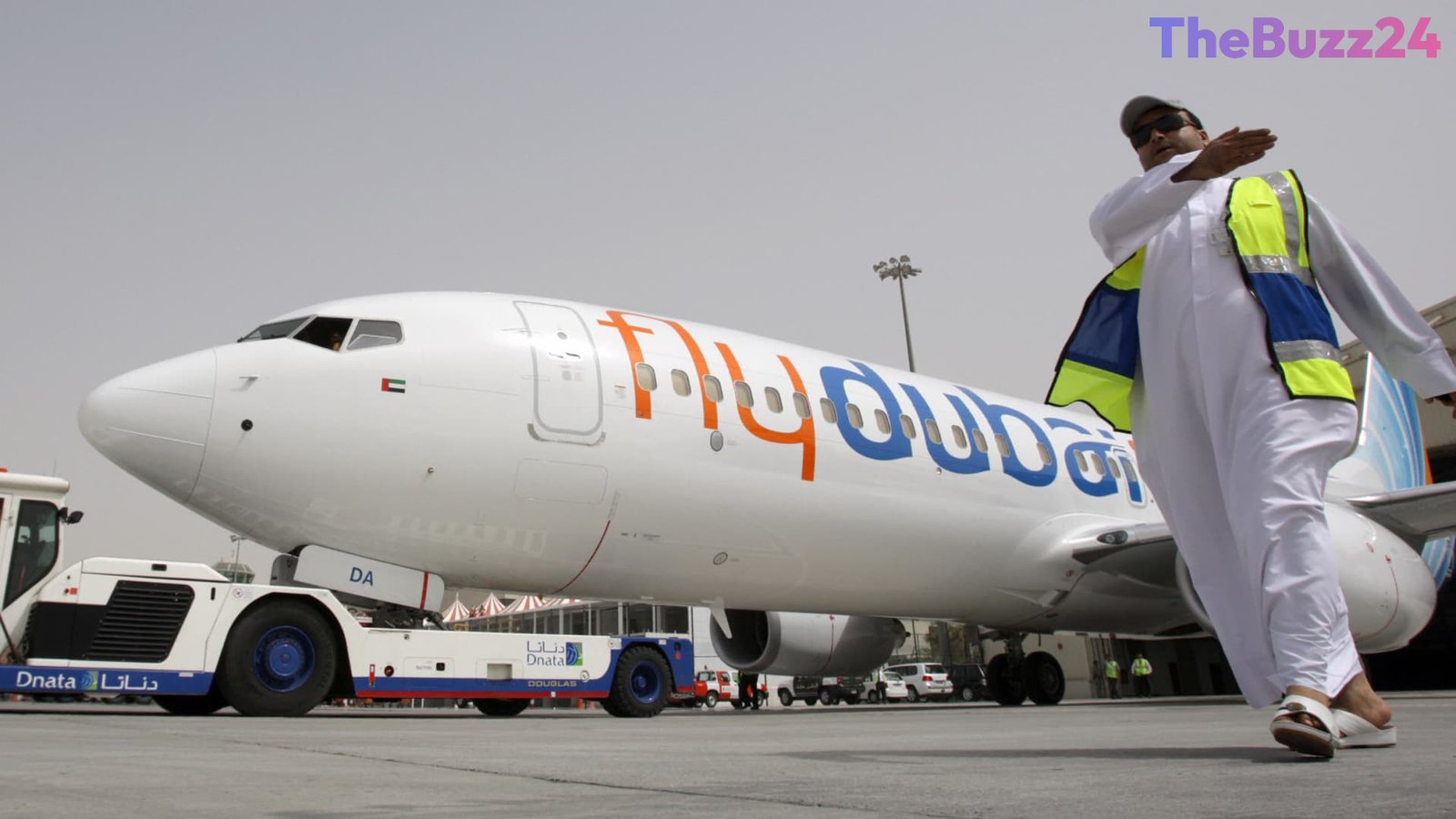
A commercial flight traveling from the United Arab Emirates to Israel was forced to make an unexpected diversion to Saudi Arabia after an intense physical confrontation broke out inside the cockpit between the pilots. The Flydubai aircraft, carrying approximately 150 passengers—many of whom were Israeli nationals—was flying over Jordanian airspace when it transmitted urgent distress signals.
Flight tracking data revealed that the Boeing 737 experienced a drastic and sudden descent, plunging nearly 14,000 feet in less than half a minute before issuing the emergency alert. The erratic flight path and subsequent squawks triggered an immediate high-level security mobilization in Israel, particularly given the historical absence of formal diplomatic relations between Jerusalem and Riyadh. Despite initial fears of unlawful interference or a potential hijacking, officials clarified that the emergency stemmed entirely from an internal dispute among the flight deck crew.
The aircraft ultimately touched down safely at Tabuk airport in northwestern Saudi Arabia. Airline representatives confirmed that all passengers and crew members were accounted for and safe, though they refrained from detailing the specifics of the onboard disagreement. Meanwhile, relatives of passengers reported hearing commotion and witnessing injuries inside the cabin, while the Israeli government mobilized diplomatic channels to secure the safe return of its citizens from Saudi territory.
Key Takeaways
- A Flydubai flight from Dubai to Tel Aviv diverted to Saudi Arabia following a physical fight between the pilots.
- The aircraft plunged nearly 14,000 feet in 30 seconds and transmitted emergency signals indicating possible unlawful interference.
- The plane landed safely at Tabuk airport, and all passengers, including about 150 Israelis, were reported safe.
Editor’s Analysis & Impact
This unusual incident highlights critical vulnerabilities in commercial aviation security protocols, specifically regarding cockpit dynamics and emergency communication standards. While the situation was successfully resolved without catastrophic loss, the sudden diversion into a non-allied nation’s airspace created immediate geopolitical tension and security anxiety. Airlines and regulatory bodies will likely face increased scrutiny regarding crew screening, psychological evaluations, and cockpit resource management to prevent similar behavioral breakdowns in flight. Furthermore, the event underscores the growing reliance on airspace corridors connecting the UAE and Israel, emphasizing the need for robust regional cooperation even amidst complex diplomatic landscapes.
Frequently Asked Questions
Q: Why did the Flydubai flight divert to Saudi Arabia?
A: The flight diverted to Tabuk, Saudi Arabia, after the pilots engaged in a physical altercation inside the cockpit, prompting them to transmit emergency distress signals.
Q: Were any passengers injured during the incident?
A: While the airline confirmed all passengers were safe and accounted for upon landing, reports from passengers and family members indicated screaming, potential physical struggle, and blood inside the cabin.
Q: Was the flight hijacked?
A: No. Officials explicitly ruled out a hijacking, confirming instead that the emergency signals were triggered by the internal dispute between the flight crew.
AI Disclosure: This article is based on verified data and official reports. Our Team and AI have cross-referenced every financial detail with primary sources to ensure total accuracy.
More from this Category