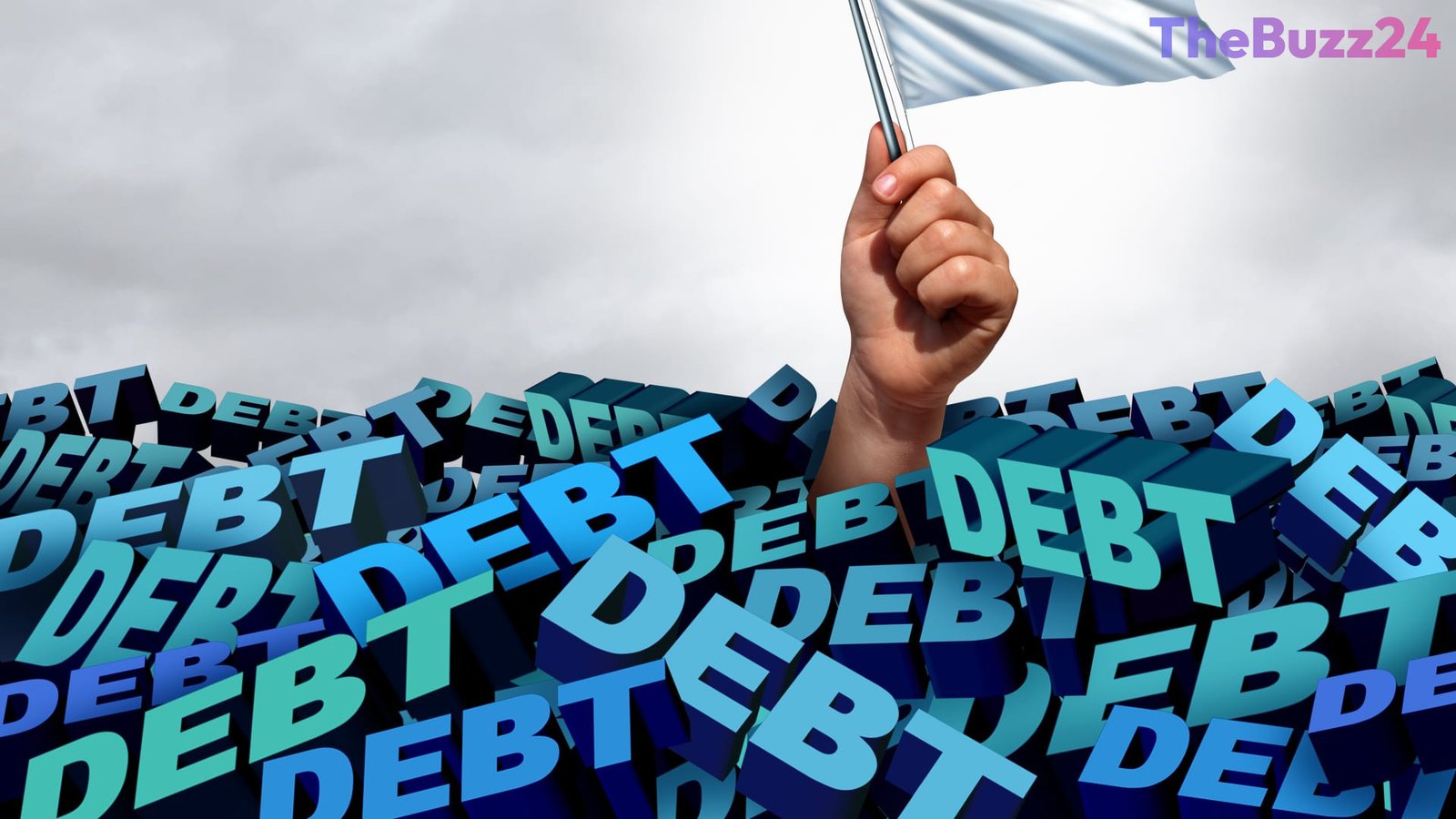
Navigating Debt Consolidation: How Fixed-Rate Loans and Strategic Planning Can Help
Managing multiple credit card balances can quickly become overwhelming, especially as millions of consumers carry balances from month to month. When interest rates climb and minimum payments begin to stretch monthly budgets, finding a way to streamline obligations becomes critical for long-term financial health. One popular strategy for regaining control is utilizing a personal loan to consolidate disparate debts into a single, predictable monthly payment.
A debt consolidation loan functions by providing a fixed-rate installment loan specifically designated to pay off higher-interest bills. Because personal loan interest rates are frequently lower than standard credit card APRs, borrowers can often reduce their overall interest burden and simplify their financial lives. Numerous financial institutions and online lenders offer these products, sometimes even disbursing funds directly to creditors to streamline the process further.
However, successfully navigating debt consolidation requires careful evaluation of the total cost of borrowing rather than focusing solely on monthly payments or interest rates. Many lenders assess up-front origination fees, which can range from a small percentage to higher amounts depending on creditworthiness. Additionally, while these loans provide a clear timeline and structured path toward becoming debt-free, they do not inherently alter the spending habits that contributed to the initial balances. Borrowers must remain disciplined to avoid accumulating new debt after paying off their existing accounts.
Beyond traditional personal loans, consumers have access to several alternative strategies depending on their financial profile and credit history. Balance transfer credit cards with promotional zero-interest periods, home equity loans, professional credit counseling, and debt settlement are all viable paths for specific situations. Ultimately, choosing the right method depends on thoroughly comparing eligibility requirements, fees, repayment terms, and potential impacts on personal credit scores.
Key Takeaways
- Debt consolidation combines multiple high-interest debts into a single, fixed-rate monthly payment, simplifying finances and potentially lowering overall interest costs.
- Borrowers must factor in potential costs such as origination fees and examine total borrowing expenses rather than just looking at the advertised interest rate.
- Alternative debt management strategies include 0% APR balance transfer cards, home equity loans, credit counseling, and structured debt settlement programs.
Editor’s Analysis & Impact
The growing reliance on credit cards for everyday expenses highlights a broader economic trend where household debt management has become a critical consumer priority. As interest rates fluctuate, the demand for structured financial products like debt consolidation loans remains strong. Industry participants, ranging from traditional banks to digital fintech lenders, continue to refine their offerings—competing on funding speed, fee structures, and flexible credit requirements. However, industry analysts emphasize that consolidation is merely a tactical tool rather than a comprehensive cure for underlying budget imbalances. Looking ahead, consumer education regarding the total cost of credit, alongside transparent lending practices, will play a pivotal role in determining whether borrowers successfully achieve long-term financial stability or simply cycle back into high-utilization patterns.
Frequently Asked Questions
Q: What is a debt consolidation loan?
A: A debt consolidation loan is a fixed-rate installment loan used to pay off multiple higher-interest bills, such as credit card balances, combining them into a single monthly payment.
Q: Does getting a debt consolidation loan hurt your credit score?
A: Applying for a loan typically triggers a hard credit inquiry, causing a temporary dip in your score. However, making on-time payments and lowering your overall credit utilization can improve your credit health over time.
Q: What are the main alternatives to a debt consolidation loan?
A: Alternatives include 0% APR balance transfer credit cards, home equity loans or HELOCs, professional credit counseling, debt settlement, and, in severe cases, bankruptcy.
AI Disclosure: This article is based on verified data and official reports. Our Team and AI have cross-referenced every financial detail with primary sources to ensure total accuracy.
More from this Category