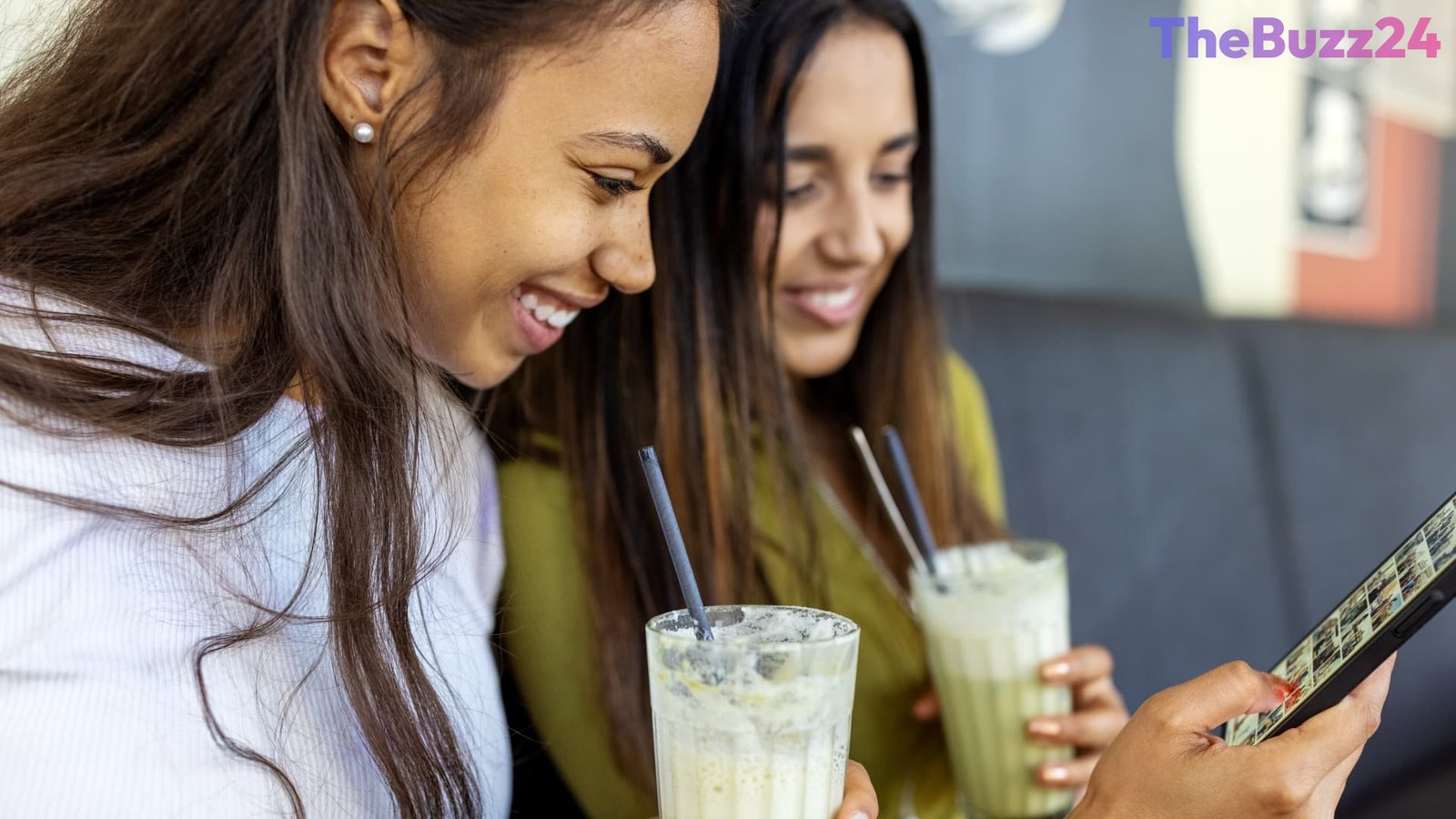
Navigating the ‘Little Treat’ Economy: How Gen Z Balances Daily Luxuries with Financial Realities
As financial pressures continue to weigh heavily on young adults, a distinct economic trend has emerged among Generation Z. Often facing significant hurdles when it comes to major life milestones such as purchasing a home, starting a family, or saving for retirement, many young consumers are turning to affordable daily indulgences to boost their morale. Frequently described as a modern iteration of the classic ‘lipstick theory,’ this phenomenon—widely known as the ‘little treat’ economy—sees individuals carving out room in tight budgets for modest purchases like specialty coffees, artisanal pastries, and comfort items.
Recent data highlights a notable surge in spending on small, accessible luxuries, with transactions at boutique cafes and bakeries outpacing broader consumer trends. While critics might dismiss these frequent micro-purchases as frivolous, behavioral experts emphasize that these rituals serve a vital psychological function. In an economic climate where traditional financial milestones feel increasingly out of reach, a ten-dollar matcha latte or a favorite pastry offers immediate emotional relief and a sense of agency during challenging times.
However, financial advisors stress that enjoying these everyday perks does not have to come at the expense of long-term stability. The key lies in strategic budgeting and intentional spending rather than outright elimination. By utilizing digital budgeting platforms like Monarch or leveraging high-yield savings accounts to maximize returns on modest deposits, consumers can build financial cushions while still preserving room for enjoyment. Furthermore, adopting targeted credit card strategies—such as utilizing rewards cards optimized for dining, entertainment, or travel—allows savvy spenders to offset the costs of their favorite activities.
Ultimately, the ‘little treat’ economy underscores a broader shift in how younger generations approach personal finance. Rather than adhering to an all-or-nothing mindset of strict deprivation, many are learning to harmonize responsible saving with the pursuit of daily happiness. By being more deliberate with their purchasing habits, consumers can successfully balance immediate gratification with the pursuit of larger future goals.
Key Takeaways
- Generation Z is increasingly relying on affordable daily luxuries, known as 'little treats,' to cope with broader financial pressures and economic uncertainty.
- Despite high spending on discretionary items, young adults are actively seeking out budgeting tools and high-yield savings accounts to maintain financial health.
- Strategic use of rewards credit cards for dining, travel, and entertainment can help consumers fund their favorite experiences while minimizing out-of-pocket costs.
Editor’s Analysis & Impact
The rise of the ‘little treat’ economy reflects a profound psychological shift in consumer behavior among younger demographics. Faced with soaring housing costs and delayed life milestones, Gen Z is redefining what financial wellness looks like, prioritizing mental health and immediate quality of life over traditional, austere methods of saving. For financial institutions, fintech apps, and credit card issuers, this trend presents a unique opportunity. Companies that provide flexible budgeting tools, intuitive expense tracking, and rewarding cash-back programs tailored to everyday lifestyle spending are uniquely positioned to capture this demographic’s loyalty. Looking ahead, financial literacy initiatives that embrace this balanced approach—rather than preaching total financial abstinence—will likely resonate most effectively with modern consumers.
Frequently Asked Questions
Q: What is the 'little treat' economy?
A: The 'little treat' economy refers to the trend of consumers, particularly Generation Z, regularly purchasing small, affordable luxuries—like specialty coffees, pastries, or comfort items—to boost their mood and cope with broader economic and financial stress.
Q: How can I enjoy small luxuries without hurting my budget?
A: You can manage daily treats responsibly by building a dedicated 'joy budget,' utilizing financial tracking apps to monitor small expenses, saving money in high-yield savings accounts, and using rewards credit cards that offer cash back on dining and entertainment.
Q: Are small daily purchases really that impactful on overall savings?
A: Yes, because frequent micro-purchases are often harder to track than major expenses, they can quietly accumulate over time and divert funds that might otherwise go toward long-term savings or debt reduction.
AI Disclosure: This article is based on verified data and official reports. Our Team and AI have cross-referenced every financial detail with primary sources to ensure total accuracy.
More from this Category