Federal Reserve Renovation Plagued by Cost Overruns, Inspector General Finds No Criminality
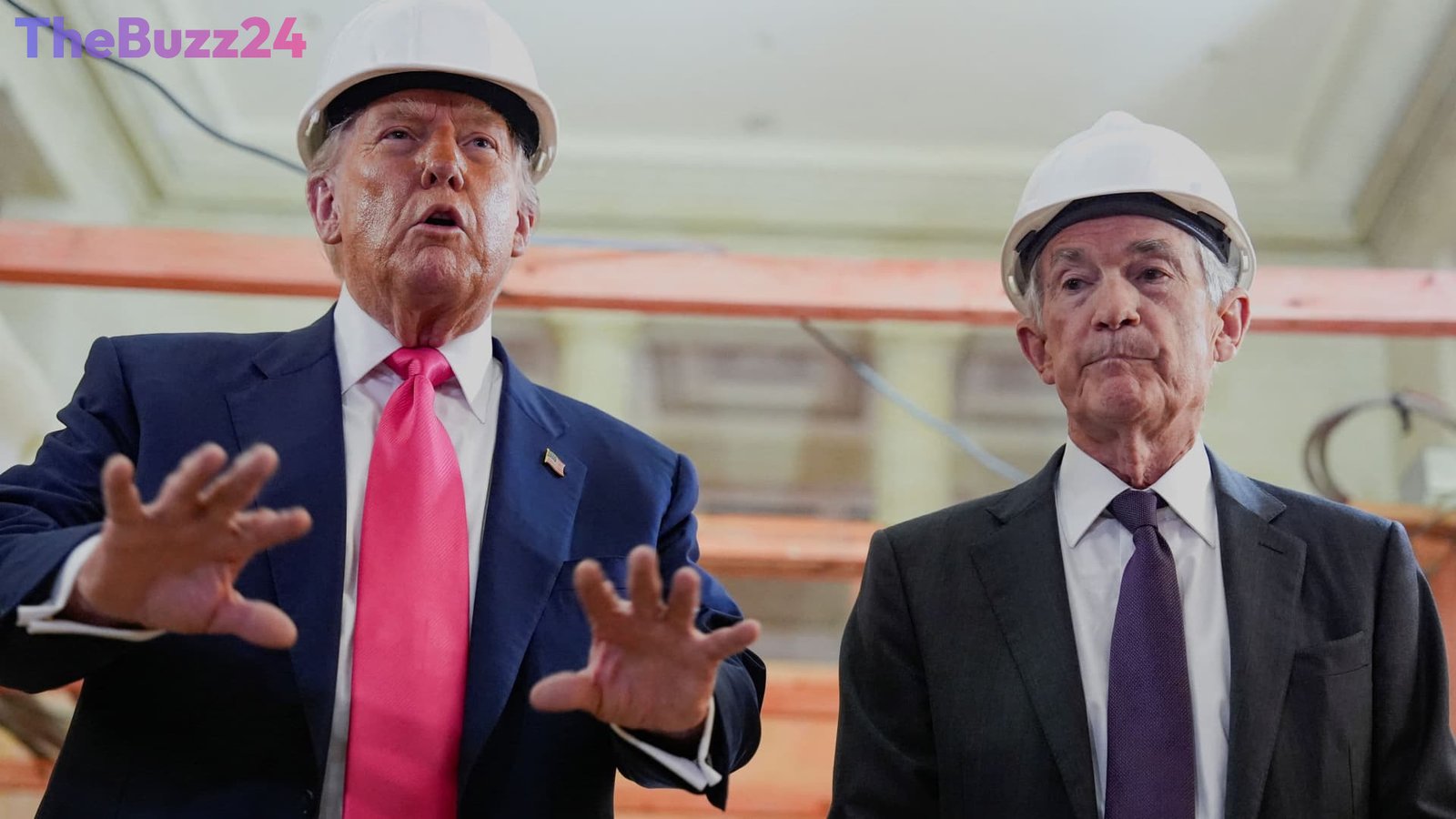
A recent report from the Federal Reserve’s inspector general has detailed significant management and oversight failures that led to substantial cost escalations in the central bank’s headquarters renovation project. While the independent watchdog identified these shortcomings, it concluded that there were no reasonable grounds to believe a federal crime had occurred, thus negating the need for a criminal referral to the attorney general.
The extensive renovation, initially estimated to cost $1.3 billion in 2020, has seen its budget balloon to a staggering $2.4 billion as of August 2026. Construction costs alone have surged by approximately $960 million. The inspector general’s report points to issues such as design changes and a failure by the Fed to enforce a guaranteed maximum price for the project. Furthermore, the report indicates that the project’s structure did not effectively escalate rising costs to senior leadership, contributing to the financial overruns.
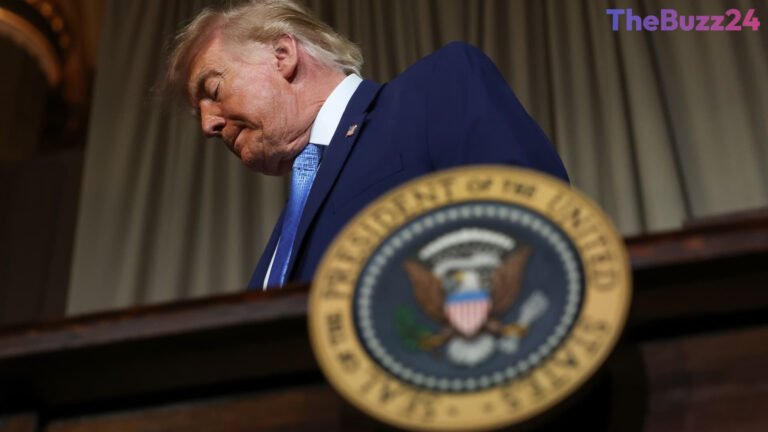
Despite the report’s findings of mismanagement rather than criminal activity, former President Donald Trump has intensified his calls for the resignation of Federal Reserve Governor Jerome Powell. Trump has repeatedly accused Powell of mismanaging the renovation and misleading Congress, leveraging the inspector general’s report to bolster his claims. Powell, who served as Fed Chair prior to his current role as a governor, has maintained his position on the board, which extends through January 2028.
The inspector general’s review, led by Michael Horowitz, examined materials related to Powell’s testimony before Congress, though it did not specifically assess claims of perjury. The report’s findings have been met with varied reactions, with some lawmakers emphasizing the need for prudent resource management and accountability at the Federal Reserve, while others have dismissed the calls for criminal investigation as politically motivated.
Key Takeaways
- The Federal Reserve's inspector general found management and oversight failures contributed to significant cost overruns in the headquarters renovation.
- The report concluded there were no grounds to believe a federal crime occurred, ruling out a criminal referral.
- Former President Donald Trump used the report to renew calls for Fed Governor Jerome Powell's resignation, citing incompetence.
Editor’s Analysis & Impact
This report highlights a critical tension between operational mismanagement and criminal culpability within a major financial institution. While the inspector general’s findings confirm substantial financial mismanagement and cost overruns, the absence of criminal grounds leaves the door open for political commentary and pressure. The market impact is likely minimal in the short term, as the findings do not suggest systemic financial impropriety affecting monetary policy. However, it underscores the ongoing scrutiny of the Federal Reserve’s internal controls and its leadership’s accountability, particularly in an environment where political influence on monetary policy remains a sensitive issue. The long-term outlook may involve enhanced oversight mechanisms for large-scale federal projects.
Frequently Asked Questions
Q: What were the main findings of the Federal Reserve inspector general's report?
A: The report found significant management and oversight failures that led to major cost overruns in the Federal Reserve's headquarters renovation. However, it concluded that there were no reasonable grounds to believe a federal crime had occurred.
Q: What is the current status of Jerome Powell's position at the Federal Reserve?
A: Jerome Powell remains a Governor on the Federal Reserve's Board of Governors. His term as Fed Chair ended, but he is eligible to serve on the board until January 2028. He has stated he will remain on the board until the investigation into the renovation is fully resolved.
Q: How much did the Federal Reserve's headquarters renovation project cost overruns?
A: The project's budget has soared from an initial estimate of $1.3 billion in 2020 to a board-approved budget of $2.4 billion as of August 2026. Construction costs alone increased by approximately $960 million.
AI Disclosure: This article is based on verified data and official reports. Our Team and AI have cross-referenced every financial detail with primary sources to ensure total accuracy.
More from this Category