Beyond Earth: Google AI Chips Begin Journey to Space-Based Data Centers
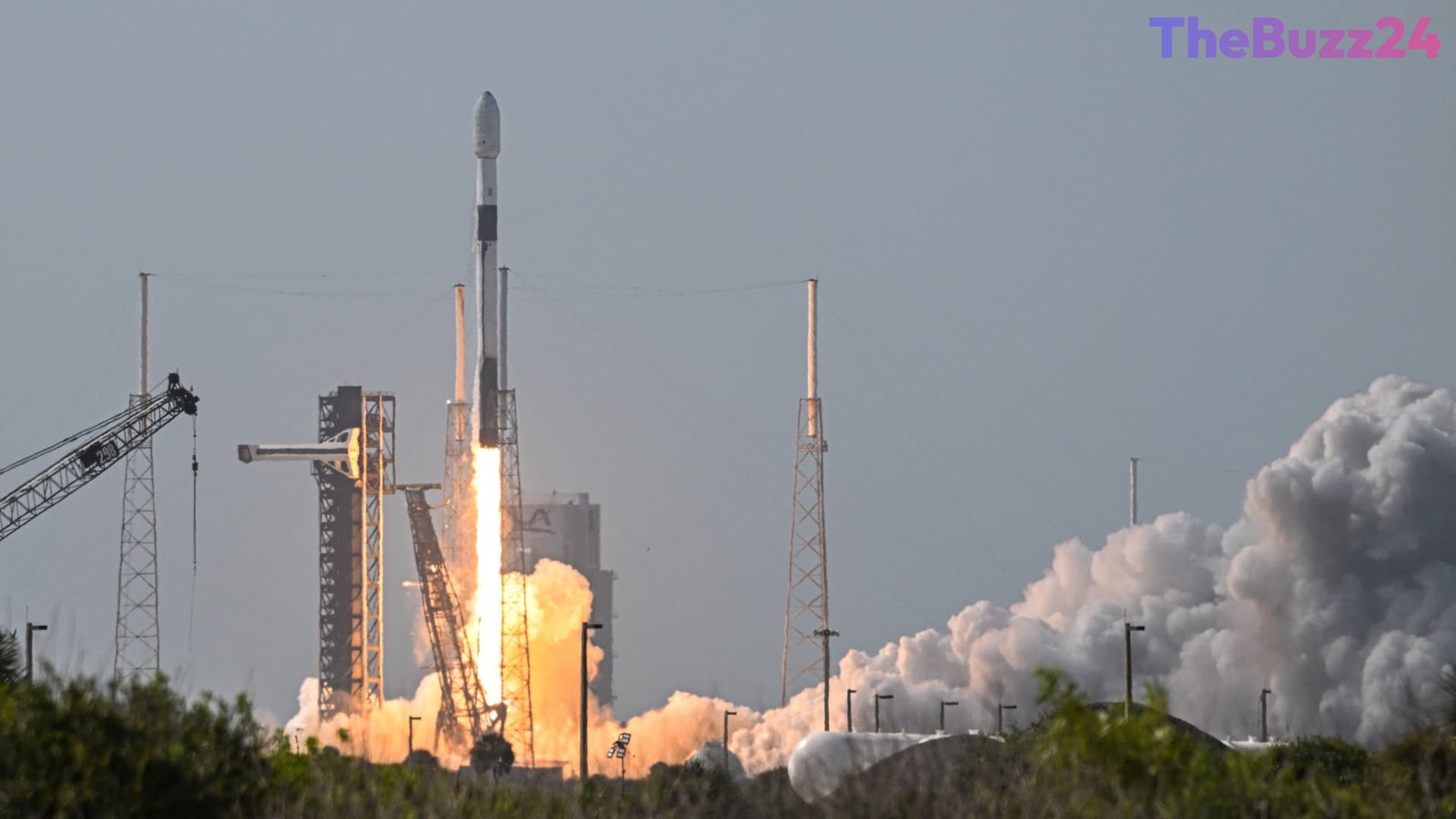
SpaceX has successfully launched Google’s advanced tensor processing units (TPUs) into orbit aboard Planet Labs satellites, marking a pivotal step in Alphabet’s ambitious Project Suncatcher. This mission, designated Transporter-18, represents the inaugural in-orbit test for Alphabet’s ‘moonshot’ initiative, which aims to establish reliable artificial intelligence computing infrastructure in space.
The launch, originating from Vandenberg Air Force Base in California, saw a SpaceX Falcon 9 rocket deploy its payloads without incident. Project Suncatcher’s core objective is to develop solar-powered AI computing capabilities that can operate continuously in the challenging environment of low Earth orbit (LEO). Alphabet envisions leveraging the near-constant sunlight available in LEO, which can generate significantly more solar power than on Earth, to fuel scalable machine learning infrastructure. The long-term goal includes linking multiple satellite constellations to manage increasingly larger AI workloads in orbit. This endeavor highlights the close partnership between Alphabet, a major investor in SpaceX with a stake valued over $82 billion, and the space exploration company, even as their respective AI divisions pursue their own competitive strategies.
SpaceX, under the leadership of Elon Musk, is also actively pursuing its own vision for orbital data centers. These plans involve deploying swarms of satellites equipped with graphics processing units and solar arrays, with components potentially produced in collaboration with Tesla. Musk has previously stated that space-based data centers could become the most cost-effective method for AI training within a few years, with SpaceX COO Gwynne Shotwell targeting a 2027 deployment for ‘supercompute in space.’
However, the path to widespread space-based computing is fraught with significant challenges. Industry experts point to the high costs and capacity limitations of rocket launches, the necessity for robust cooling systems, and chips capable of withstanding extreme temperatures and radiation in orbit. Furthermore, the growing concern over orbital clutter and debris poses a substantial threat to the viability and longevity of such infrastructure. The Transporter-18 flight was part of a busy day for SpaceX, which also conducted an earlier launch to transport astronauts to the International Space Station for NASA, underscoring the company’s multifaceted role in advancing space capabilities.
Key Takeaways
- SpaceX launched Google's AI chips (TPUs) into orbit as part of Alphabet's Project Suncatcher, marking the first in-orbit test for developing space-based AI computing infrastructure.
- Project Suncatcher aims to leverage low Earth orbit's constant sunlight for reliable, solar-powered AI processing, with future plans for interconnected satellite constellations.
- Despite the ambitious vision shared by both Alphabet and SpaceX (which also plans its own orbital data centers), industry experts highlight significant challenges including high costs, technical hurdles for extreme conditions, and orbital debris.
Editor’s Analysis & Impact
This launch represents a significant stride in the burgeoning field of space-based computing, potentially reshaping how large-scale AI workloads are managed. It signals a growing convergence between advanced AI development and space technology, offering a novel solution to the increasing demand for computational power and the physical constraints of terrestrial data centers. While the immediate impact on the market is experimental, successful validation of Project Suncatcher could catalyze substantial investment in orbital infrastructure and specialized hardware, creating new market segments.
The future outlook suggests a long-term vision, as the technical complexities of radiation hardening, cooling, and managing orbital debris are formidable. However, the involvement of tech giants like Alphabet and space pioneers like SpaceX indicates a serious commitment to overcoming these hurdles. This initiative underscores a broader trend of seeking innovative solutions beyond Earth’s surface, pushing the boundaries of both AI capabilities and space exploration.
Frequently Asked Questions
Q: What is Project Suncatcher?
A: Project Suncatcher is an ambitious initiative by Alphabet (Google's parent company) aimed at developing reliable, solar-powered artificial intelligence computing infrastructure that can operate continuously in space.
Q: Why are companies exploring space-based data centers?
A: Companies like Alphabet and SpaceX are exploring space-based data centers to leverage advantages such as near-constant sunlight in low Earth orbit for power generation, potentially offering 'infinite real estate' to escape terrestrial data center limitations, and reducing latency for certain AI applications.
Q: What are the main challenges for orbital data centers?
A: Key challenges include the high cost and capacity constraints of rocket launches, the need for specialized cooling systems and radiation-hardened chips to withstand extreme space conditions, and the risks posed by orbital clutter and debris.
AI Disclosure: This article is based on verified data and official reports. Our Team and AI have cross-referenced every financial detail with primary sources to ensure total accuracy.
More from this Category