California Governor Vetoes Legislation Targeting Smart Glasses and Secret Recording
California Governor Gavin Newsom has officially blocked a legislative proposal that sought to criminalize the surreptitious recording of individuals using wearable recording devices. The veto prevents the state from becoming the first in the nation to explicitly regulate smart glasses and similar hardware designed to capture audio and video in public spaces.
In his official communication to lawmakers, Newsom explained that the draft legislation, Senate Bill 1130, was rejected because its definitions of wearable recording technology were overly broad and vague. He cautioned that such ambiguities could create legal confusion and unintended liabilities. Furthermore, the governor noted that existing California statutes already encompass numerous privacy protections that address unauthorized recording.
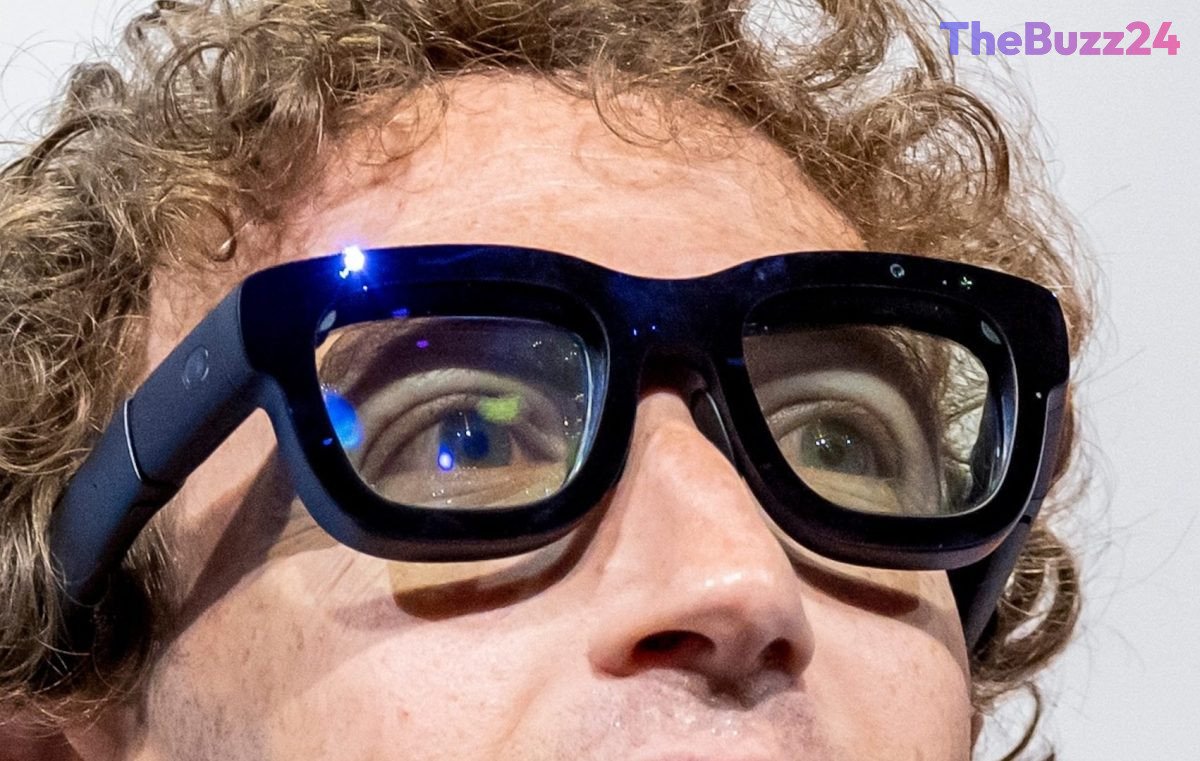
The rejected bill was introduced in response to the surging popularity of internet-connected eyewear and AI-powered pendants produced by major technology companies like Meta and Snap. Proponents of the measure argued that statutory safeguards were urgently needed to protect public privacy against always-listening and always-recording devices, especially as millions of such units find their way into consumer hands. Violators of the proposed law would have faced potential fines and imprisonment.
Privacy advocates and consumers have increasingly scrutinized these gadgets, sometimes labeling them with derogatory terms following incidents of harassment and unauthorized filming. Meanwhile, major technology ecosystems continue to integrate ambient audio features into their hardware portfolios, highlighting the ongoing tension between rapid technological advancement and individual privacy rights.
Key Takeaways
- Governor Gavin Newsom vetoed California Senate Bill 1130, which aimed to ban secret recording via smart glasses.
- The veto was issued because the governor found the bill's definitions of wearable recording devices too broad and potentially confusing.
- The legislation sought to address privacy concerns surrounding always-listening tech and smart eyewear produced by companies like Meta and Snap.
Editor’s Analysis & Impact
The veto of California Senate Bill 1130 highlights the ongoing friction between rapid hardware innovation and legacy privacy frameworks. As tech giants ramp up production of AI-enabled smart glasses and ambient recording devices, regulators face an uphill battle in drafting enforceable laws that protect citizens without stifling technological progress. The vague definitions cited by Governor Newsom point to a broader regulatory challenge: how to legally distinguish between benign consumer convenience tools and intrusive surveillance equipment. Moving forward, lawmakers will need to collaborate more closely with technologists and legal experts to craft precise mandates. Until then, the onus remains on manufacturers to build privacy-first features into their ecosystems, while consumers must navigate an increasingly monitored public sphere with heightened awareness.
Frequently Asked Questions
Q: Why did Governor Newsom veto Senate Bill 1130?
A: Governor Newsom vetoed the bill because he believed it defined wearable recording devices too broadly and imprecisely, which could lead to confusion and unintended legal consequences. He also noted that adequate privacy protections already exist in current California law.
Q: What technologies would the bill have targeted?
A: The bill targeted wearable recording devices, such as internet-connected smart glasses and AI-powered pendants made by companies like Meta and Snap, which can record video and audio in public spaces.
AI Disclosure: This article is based on verified data and official reports. Our Team and AI have cross-referenced every financial detail with primary sources to ensure total accuracy.
More from this Category