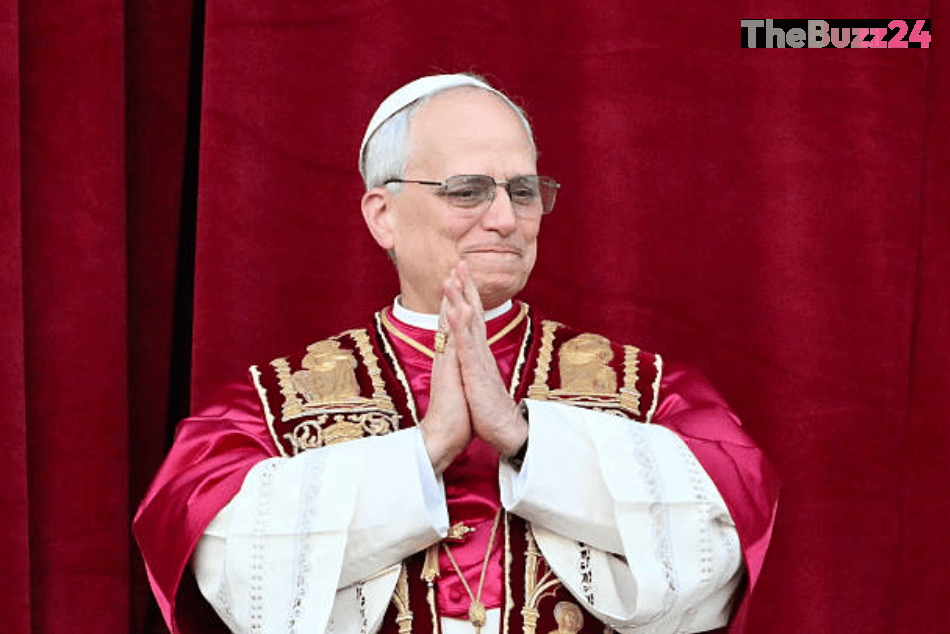
Vatican Weighs In: Pope Leo XIV Draws Strict Line Between Human and Machine Art
The debate surrounding artificial intelligence and creativity has gained a prominent new voice as religious leadership takes a firm stance against automated media generation. In a recent statement shared via social media, the head of the Catholic Church emphasized the vital necessity of safeguarding traditional human artistry from the rapid expansion of algorithmic tools.
Highlighting the fundamental divide between human expression and machine output, the pontiff noted that algorithmic systems rely entirely on statistical calculations derived from vast datasets of existing works created by people. This distinction, described as ontological rather than merely aesthetic, underscores the unique human spark that drives authentic creative endeavors. These remarks follow a comprehensive encyclical letter released earlier this year, which similarly stressed the preservation of human dignity amid accelerating global automation.
Despite the Vatican’s skeptical outlook, technology developers continue efforts to engage with religious authorities regarding the ethical boundaries of emerging digital systems. Major AI enterprises have previously sought dialogue with church officials to discuss topics ranging from machine capabilities to non-human consciousness, though these overtures have yielded limited shifts in official doctrine. As automated tools continue to reshape creative industries, institutional resistance highlights ongoing philosophical tensions surrounding the future of human culture.
Key Takeaways
- Pope Leo XIV publicly distinguished between human art and machine-generated content, citing an ontological difference.
- The pontiff emphasized that algorithms rely on statistical calculations rather than genuine human inspiration.
- Tech companies have attempted to lobby the Vatican regarding AI ethics and consciousness, with limited success.
Editor’s Analysis & Impact
The intervention of religious leadership into the discourse surrounding artificial intelligence marks a significant convergence of ethics, culture, and technology. As AI systems become increasingly proficient at mimicking human creative outputs, philosophical and spiritual institutions are stepping forward to establish boundaries. This resistance from influential global figures could heavily influence public perception, policy-making, and ethical frameworks governing automated technologies. In the long term, the tension between algorithmic efficiency and the preservation of human-centric culture will likely prompt stricter regulations and a stronger emphasis on authenticity, forcing tech companies to navigate moral considerations alongside commercial viability.
Frequently Asked Questions
Q: What is Pope Leo XIV's stance on artificial intelligence in art?
A: The pope maintains that there is a fundamental ontological difference between human-generated art and machine-made content, stressing that algorithms lack true humanity and rely merely on statistical calculations.
Q: Have technology companies attempted to influence the Vatican's view on AI?
A: Yes, major artificial intelligence firms have engaged in lobbying efforts with the Vatican to discuss topics like non-human consciousness, though these discussions have not shifted the church's cautious position.
AI Disclosure: This article is based on verified data and official reports. Our Team and AI have cross-referenced every financial detail with primary sources to ensure total accuracy.
More from this Category