Curiosity Rover Reaches Major Milestone in Martian Exploration
The Curiosity rover has achieved a significant milestone in its ongoing mission across the Martian landscape, officially marking a total elevation gain of one kilometer since it began its ascent from the floor of Gale Crater. This accomplishment highlights the durability and precision of the robotic explorer as it continues to navigate the challenging terrain of Mount Sharp.
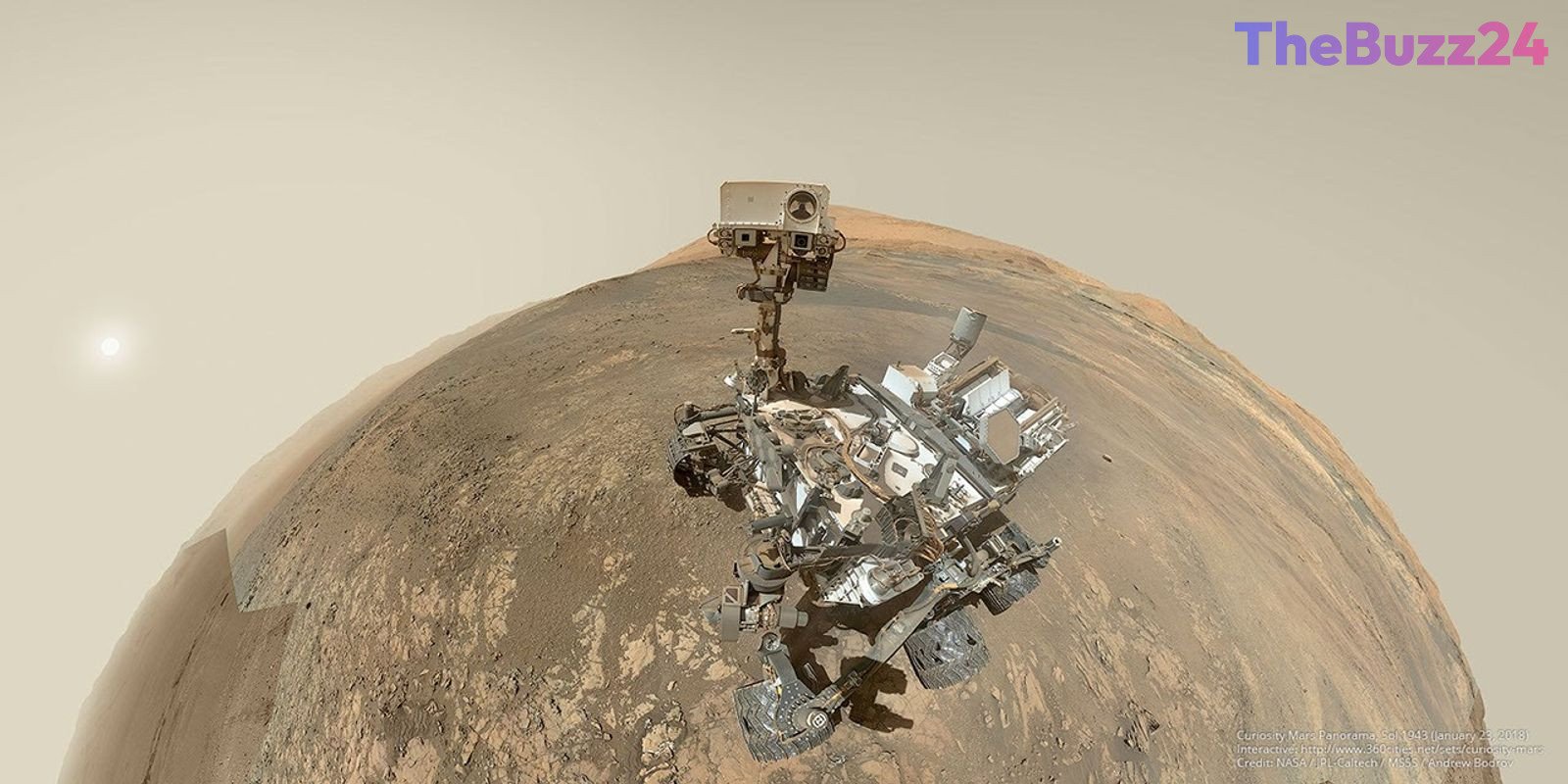
Among the rover’s most iconic moments during its trek was the capture of a detailed selfie at the south rim of Vera Rubin Ridge. This image, recorded on sol 1943, was constructed from a mosaic of 61 individual exposures taken by the Mars Hand Lens Imager (MAHLI). To create the final composition, engineers meticulously edited out the rover’s robotic arm, while the background was seamlessly integrated from imagery captured by the Mastcam during an earlier phase of the mission.
Curiosity remains a vital asset in planetary science, providing researchers with unprecedented data regarding the geological history of Mars. As the rover continues its climb, the data collected by its suite of instruments—including the laser-firing ChemCam—continues to offer insights into the composition and environmental evolution of the Red Planet, further expanding our understanding of the solar system.
Key Takeaways
- The Curiosity rover has successfully ascended one kilometer in elevation since starting its journey from the Gale Crater floor.
- The famous 'selfie' at Vera Rubin Ridge was created by stitching together 61 separate images captured by the rover's MAHLI camera.
- Curiosity continues to provide critical geological data as it explores the slopes of Mount Sharp on Mars.
Editor’s Analysis & Impact
The sustained operation of the Curiosity rover serves as a testament to the success of long-term robotic exploration missions. By surpassing the one-kilometer elevation gain, the mission demonstrates that complex, multi-year planetary surface operations are not only feasible but yield compounding scientific value. The ability to maintain and maneuver such sophisticated hardware over a decade after landing provides a blueprint for future Mars missions, including those involving human crews. As the rover reaches higher altitudes on Mount Sharp, it gains access to younger geological strata, which is essential for piecing together the timeline of Mars’ transition from a potentially habitable environment to the arid world observed today. This mission remains a cornerstone of modern planetary science and sets a high bar for upcoming autonomous exploration technologies.
Frequently Asked Questions
Q: What is a 'sol' in the context of the Curiosity mission?
A: A sol is a Martian solar day, which lasts approximately 24 hours and 40 minutes, making it slightly longer than an Earth day.
Q: How was the Curiosity rover's selfie created?
A: The selfie is a mosaic composed of 61 individual exposures taken by the Mars Hand Lens Imager (MAHLI). The robotic arm used to take the photos was digitally removed from the final image to provide a clear view of the rover and its surroundings.
AI Disclosure: This article is based on verified data and official reports. Our Team and AI have cross-referenced every financial detail with primary sources to ensure total accuracy.
More from this Category