UAE Authorities Classify Mid-Air Cockpit Assault as Terrorist Attack
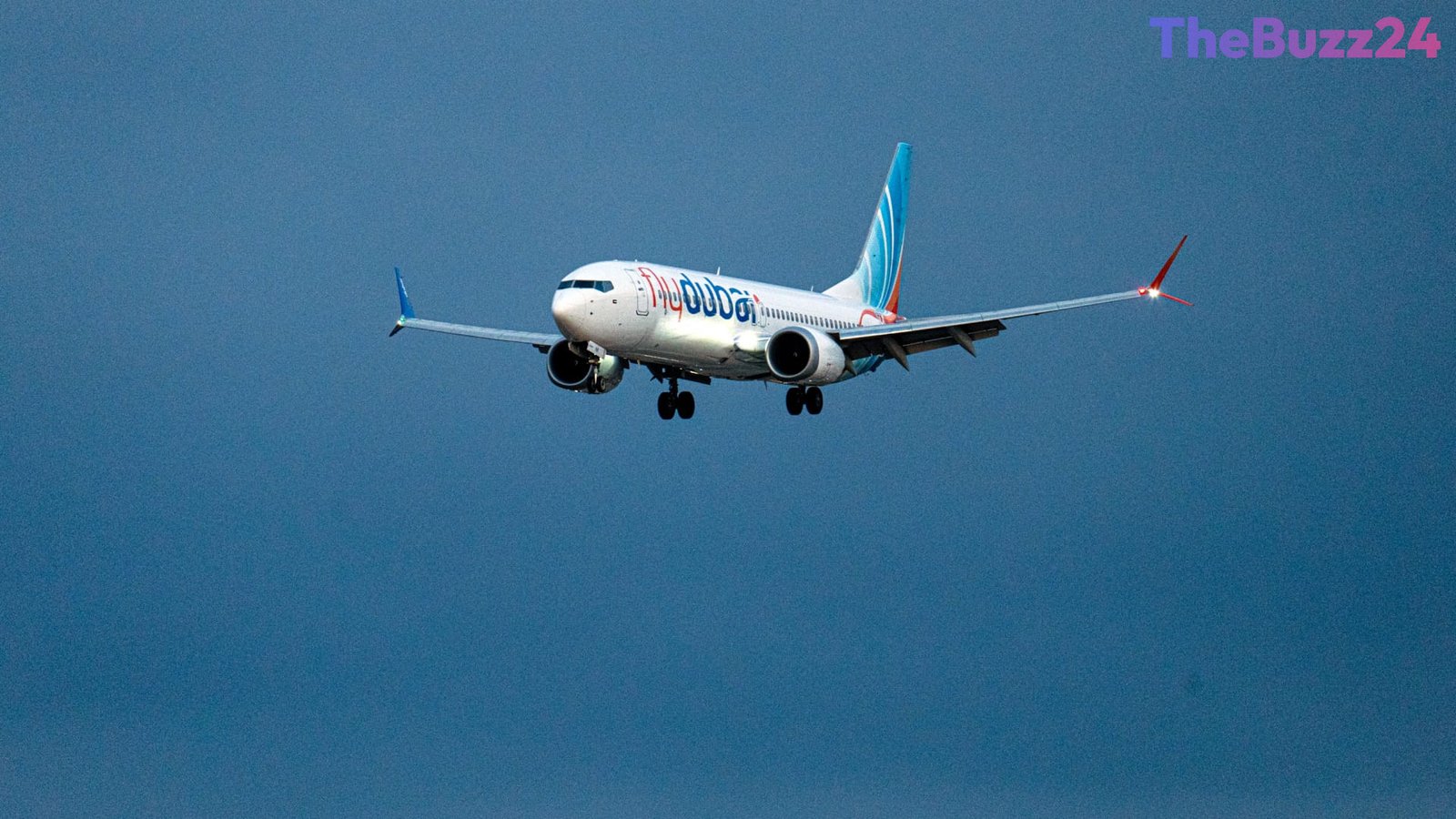
United Arab Emirates officials have officially classified a violent mid-air incident involving a flydubai flight as an attempted terrorist attack. The event occurred when the co-pilot, identified as Hammam al-Hammami, allegedly assaulted the captain inside the cockpit using a crash axe. The assailant reportedly attempted to seize control of the aircraft, which was carrying over 170 passengers and crew members at the time.
The situation escalated rapidly as the aircraft experienced a sudden, drastic altitude drop of more than 16,000 feet in just 30 seconds while traversing Saudi Arabian airspace. Passengers and crew members on board managed to intervene, successfully subduing the co-pilot before he could cause further harm. A reserve pilot, who was traveling as a passenger, stepped in to take control of the flight, ultimately executing a safe emergency landing at Tabuk airport in Saudi Arabia, where the suspect was taken into custody.
Investigations into the incident are currently being led by UAE authorities, with international cooperation involving Israeli officials. The inquiry is focused on uncovering the suspect’s background, potential radicalization, and whether the act was coordinated by external entities. While the motive remains under official review, high-level government officials have expressed concerns regarding potential extremist indoctrination, noting that the majority of the passengers on the flight were Israeli nationals.
Key Takeaways
- UAE prosecutors have officially labeled the mid-air cockpit assault on a flydubai flight as an act of terrorism.
- The co-pilot used a standard emergency crash axe to attack the captain, leading to a rapid, dangerous loss of altitude.
- A reserve pilot successfully landed the plane in Saudi Arabia after passengers and crew subdued the attacker.
Editor’s Analysis & Impact
This incident represents a significant security breach in commercial aviation, highlighting the vulnerabilities inherent in cockpit safety protocols. The classification of the event as a ‘terrorist attack’ by UAE authorities signals a shift from viewing this as a singular mental health crisis to a broader geopolitical and security concern. The involvement of international investigators, particularly from Israel, underscores the high-stakes nature of the investigation and the potential for diplomatic fallout depending on the findings regarding the suspect’s affiliations. Moving forward, the aviation industry will likely face intense pressure to re-evaluate cockpit access, the storage of emergency tools, and the vetting processes for flight crews. This event serves as a stark reminder of the persistent threat posed by insider risks within the global transportation sector.
Frequently Asked Questions
Q: What weapon was used during the attack on the pilot?
A: The co-pilot used a crash axe, which is a tool typically stored in the cockpit for use during emergency situations.
Q: How was the flight safely landed?
A: After the co-pilot was subdued by passengers and crew, a reserve pilot who was on board as a passenger took control of the aircraft and landed it safely at Tabuk airport in Saudi Arabia.
AI Disclosure: This article is based on verified data and official reports. Our Team and AI have cross-referenced every financial detail with primary sources to ensure total accuracy.
More from this Category