The Blueprint of Success: What Defines Asia’s Most Effective Owner-CEOs
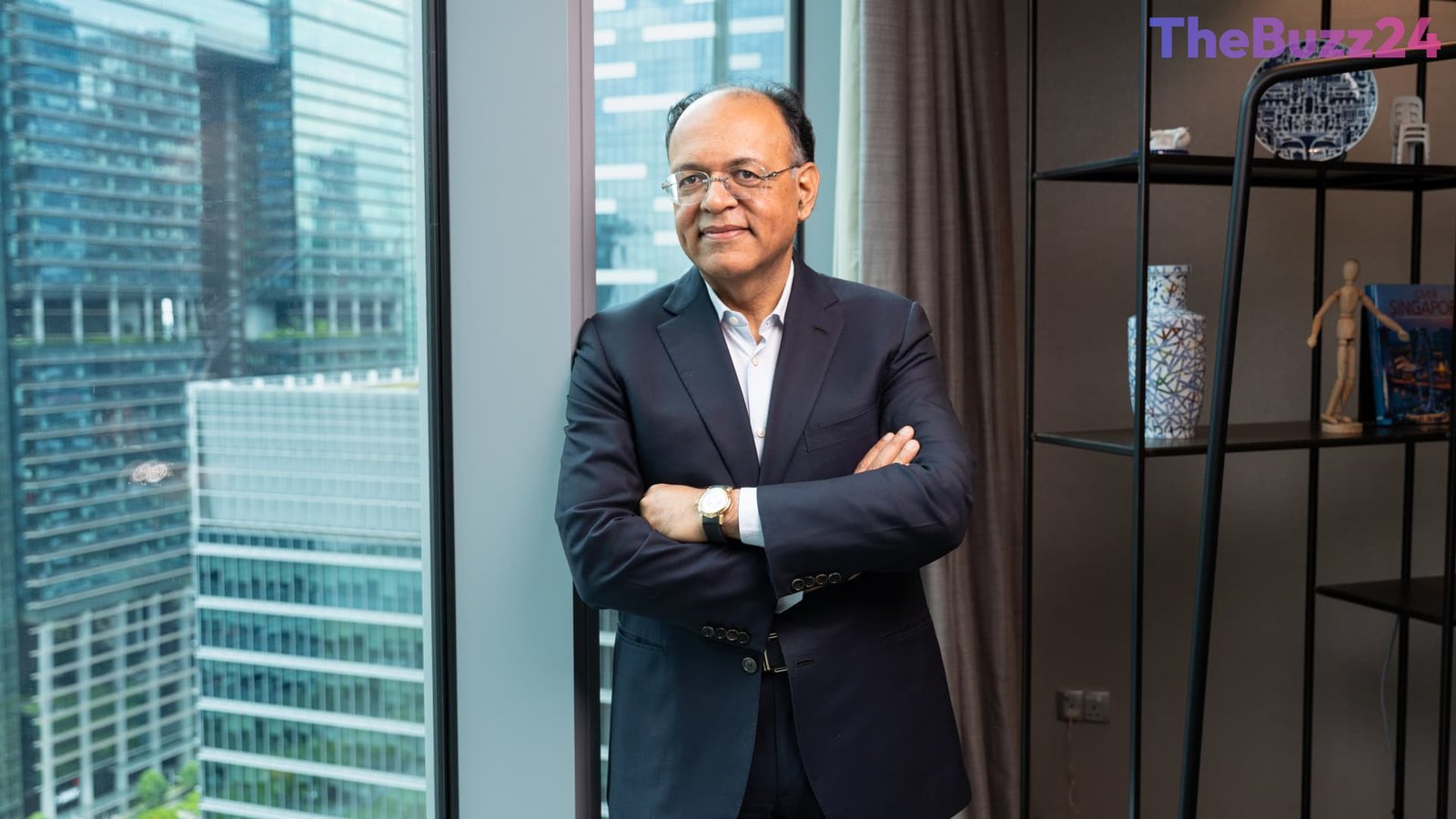
Gautam Kumra, Asia chairman at McKinsey & Co., has identified a distinct set of traits that separate elite owner-CEOs from their professional counterparts. Through extensive research and interviews with approximately 30 of Asia’s most influential business leaders—including figures like Mukesh Ambani, Falguni Nayar, and Sarath Ratanavadi—Kumra highlights that these individuals are responsible for a disproportionate share of value creation in the region. Their performance, measured by shareholder returns and return on invested capital, consistently outpaces state-owned enterprises and professionally managed firms.
Central to their success is the ability to balance seemingly contradictory mindsets. Effective leaders must simultaneously maintain a long-term strategic vision while managing the granular, day-to-day details of their operations. Furthermore, these leaders excel at fostering a mission-oriented culture and possess the unique skill of extracting extraordinary performance from ordinary teams. By prioritizing character and life experience over traditional credentials, these CEOs often take calculated risks on talent, empowering employees through ‘stretch opportunities’ that encourage self-propelled initiative.
Despite their success, these leaders face significant challenges, particularly regarding succession planning. Kumra notes that the transition from a founder to a professional successor is a notorious failure point for many organizations. Often, owner-CEOs struggle to delegate authority or institutionalize their idiosyncratic management styles, making it difficult for outsiders to step in effectively. Without a clear mandate and a formal transition process, companies frequently see a decline in performance within five years of a leadership change, underscoring the difficulty of moving beyond a founder-led model.
Key Takeaways
- Owner-CEOs in Asia consistently outperform professional CEOs and state-owned enterprises in shareholder returns and capital efficiency.
- Top-tier leadership requires the ability to balance long-term vision with microscopic attention to operational detail.
- Succession remains the greatest vulnerability for owner-led firms, as founders often struggle to institutionalize their unique management styles for future successors.
Editor’s Analysis & Impact
The analysis provided by Gautam Kumra highlights a critical tension in modern corporate governance: the ‘founder’s premium’ versus the necessity of institutionalization. Owner-CEOs bring a level of risk-taking and long-term commitment that professional managers, often constrained by quarterly earnings cycles, struggle to replicate. However, the reliance on an individual’s idiosyncratic leadership style creates a ‘key person risk’ that can cripple a company during a transition. For investors and stakeholders, this suggests that the most successful companies are not just those with visionary founders, but those that successfully bridge the gap between personal leadership and scalable, institutional processes. As Asian markets continue to mature, the ability of these firms to professionalize without losing their entrepreneurial spirit will be the primary determinant of their long-term survival and relevance in the global economy.
Frequently Asked Questions
Q: Why do owner-CEOs often outperform professional managers?
A: Owner-CEOs tend to have a higher degree of long-term commitment and are more willing to take calculated risks on people and new business ventures, which drives higher value creation and return on invested capital.
Q: What is the biggest challenge for owner-led companies?
A: The most significant challenge is the transition to a successor. Founders often struggle to delegate, let go of control, or institutionalize their management processes, leading to performance declines after they step down.
AI Disclosure: This article is based on verified data and official reports. Our Team and AI have cross-referenced every financial detail with primary sources to ensure total accuracy.
More from this Category