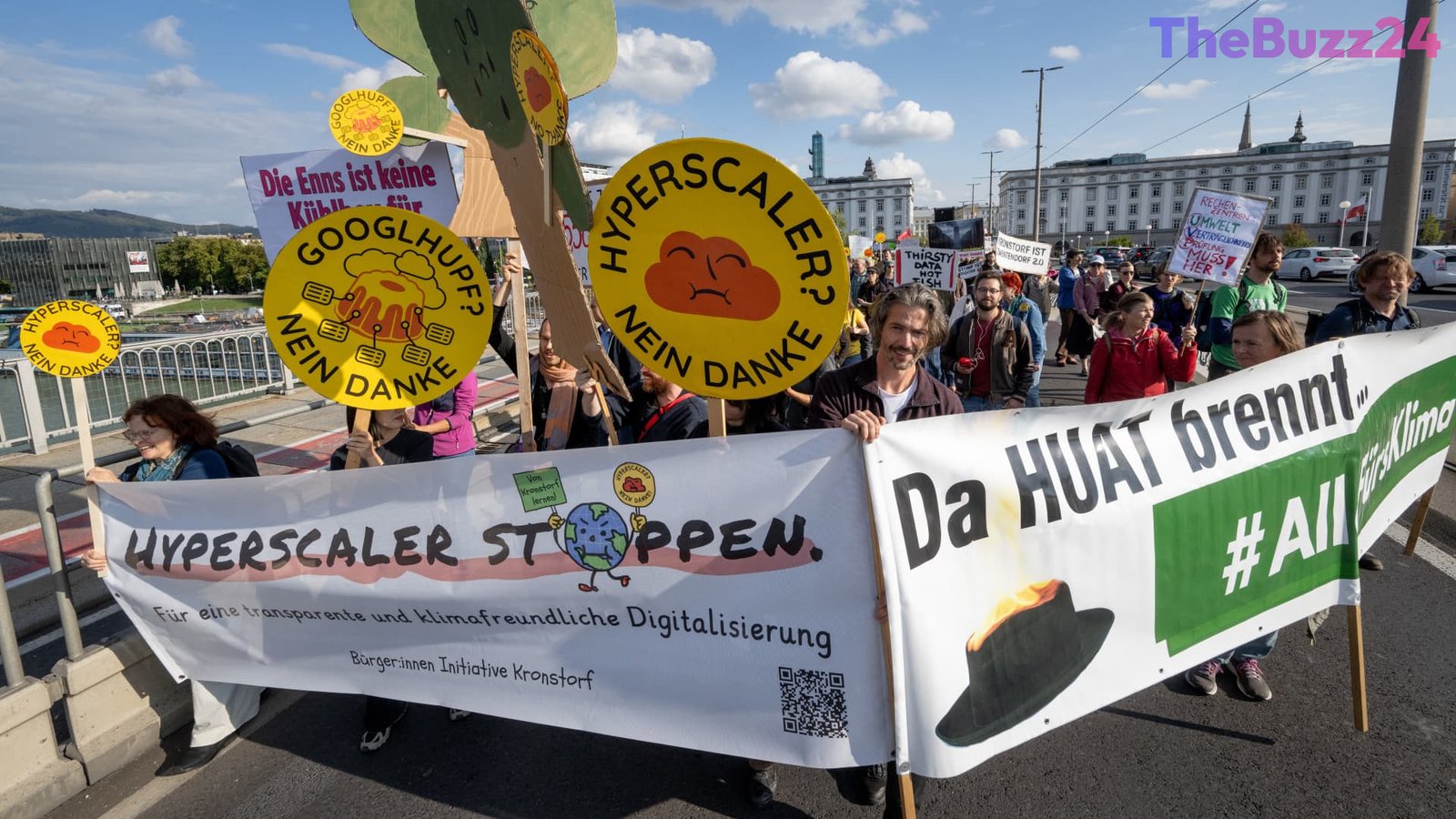
The Global Data Center Backlash: How Community Resistance is Threatening the AI Infrastructure Boom
As the artificial intelligence revolution accelerates, the massive physical infrastructure powering it is running into a formidable roadblock: intense public pushback. Communities across the United States, Europe, and Asia are increasingly pushing back against the rapid proliferation of power-hungry data centers, raising alarm bells over mounting electricity consumption, strained water resources, and the large tracts of land required for these facilities. What began as localized discontent in American towns has now evolved into a global movement, resulting in severe project delays, tighter regulatory scrutiny, and significant financial risks for developers and investors alike.
The friction is particularly pronounced in Europe, where higher electricity prices and densely populated regions have amplified local concerns. Research indicates that public opposition has already impacted roughly $42 billion worth of data center investments across Europe through delays and outright cancellations. Nations like Scotland have paused planning approvals for new hyperscale facilities, while Denmark has enacted emergency legislation to push data centers to the back of the queue for grid power applications. Similarly, Spain has introduced stringent rules requiring new facilities to source a vast majority of their electricity from renewables, signaling a deeply shifting regulatory landscape for the industry.
Meanwhile, in Asia, countries sitting at the heart of the tech supply chain are experiencing identical friction. In South Korea, national ambitions to fast-track AI and semiconductor infrastructure are clashing sharply with grassroots resistance. Residents in regions near Seoul have organized months-long protests against nearby data center developments, citing risks to residential safety, potential fires involving backup batteries, and disturbances from round-the-clock operations. Local governments are responding by proposing stricter zoning ordinances and mandatory resident consent rules, creating a complex operating environment for tech giants and real estate developers.
Despite these mounting hurdles, the underlying demand driven by the AI boom shows no signs of abating, forcing a tense tug-of-war between aggressive technological expansion and cautious local governance. Industry executives acknowledge that digital infrastructure has transitioned from an obscure, behind-the-scenes utility into a highly visible cornerstone of the modern economy. While major operators maintain that local friction is a manageable hurdle rather than a structural ceiling for growth, the financial stakes are exceptionally high. Developers face substantial early-stage financial losses when projects stall or fail to secure necessary permits, proving that the future of AI will depend just as heavily on public acceptance as it does on technological innovation.
Key Takeaways
- Public backlash against resource-intensive AI data centers is spreading globally from the U.S. to Europe and Asia.
- European data center projects have faced tens of billions in delays and cancellations due to stricter regulations and local opposition.
- In South Korea, residents have staged prolonged protests against data centers, prompting local governments to propose stricter consent laws.
Editor’s Analysis & Impact
The escalating friction between local communities and data center developers marks a critical inflection point for the artificial intelligence industry. For years, digital infrastructure expanded quietly in the background, but the sheer physical and energy footprint of modern AI workloads has brought these facilities into the glaring light of public scrutiny. The economic implications are profound: as governments attempt to balance national AI ambitions with local environmental and social concerns, investors face a risk matrix that includes protracted legal battles, stranded early-stage capital, and unexpected operational costs. In the long term, this pressure could reshape the economics of AI development, forcing operators to invest more heavily in green energy, water efficiency, and community relations before breaking ground. Ultimately, the ability of the tech sector to navigate this grassroots resistance will determine how fast—and how sustainably—the global AI infrastructure can truly expand.
Frequently Asked Questions
Q: Why are communities protesting against new data centers?
A: Communities are raising concerns over the immense amounts of electricity, water, and land required by modern AI data centers, which can strain local resources, drive up energy prices, and impact residential areas.
Q: How is Europe responding to the rapid growth of data centers?
A: European countries are introducing tighter regulations, pausing planning approvals, and requiring higher percentages of renewable energy usage. Public pushback has already impacted tens of billions of dollars in planned investments across the region.
Q: Does local opposition mean the AI boom is slowing down?
A: Despite significant project delays and tighter local restrictions, the underlying demand driving the AI boom shows little sign of slowing down, though it is forcing developers to navigate a much more challenging regulatory and social environment.
AI Disclosure: This article is based on verified data and official reports. Our Team and AI have cross-referenced every financial detail with primary sources to ensure total accuracy.
More from this Category