US Backs Nuclear Power Expansion with $4.2 Billion Loan to Vistra
The United States is set to provide a substantial financial boost to the nation’s nuclear energy sector, with plans to lend approximately $4.2 billion to Vistra Corp. This significant investment aims to enhance the company’s nuclear power generation capabilities, according to sources close to the matter.
U.S. Energy Secretary Chris Wright is expected to formally announce the loan on Monday during a visit to Vistra’s nuclear facility situated along Lake Erie in Ohio. The funds are earmarked for increasing the power output, a process known as ‘uprating,’ at a minimum of three of Vistra’s four nuclear stations. Notably, these enhancements can be implemented without the need for new licensing from the U.S. Nuclear Regulatory Commission (NRC).
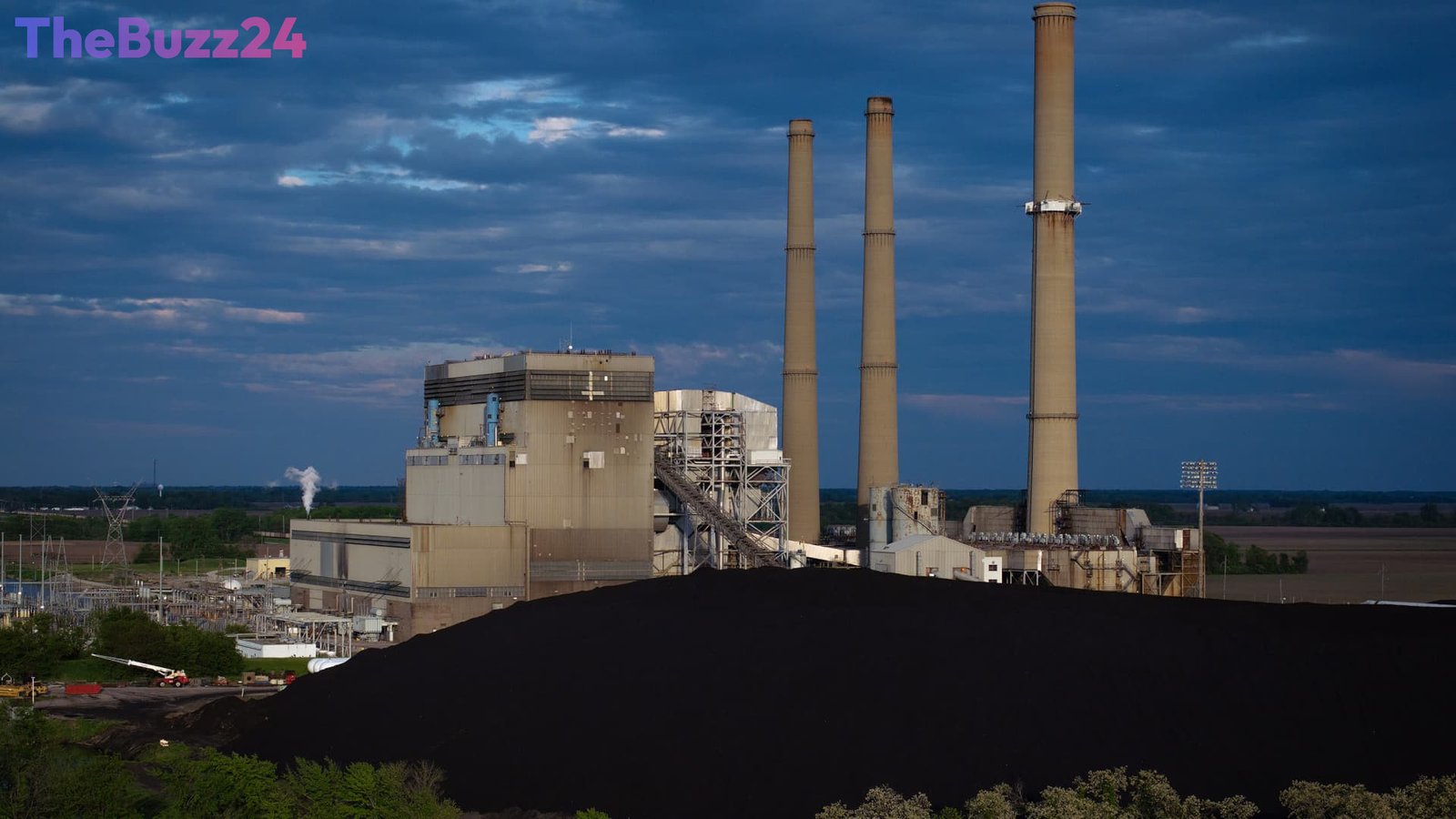
Vistra operates six reactors across four U.S. plants, collectively producing over 6.5 gigawatts of electricity, which is sufficient to power approximately 3.25 million homes. The NRC website indicates that utilities have historically utilized uprating techniques since the 1970s, involving methods such as refueling with more enriched uranium or undertaking major plant modifications like turbine replacements. As of 2022, the commission had approved over 170 such uprates.
This move comes at a time when U.S. power demand is experiencing a resurgence, fueled by the rapid expansion of AI data centers, the increasing adoption of electric vehicles, and the growing energy needs of cryptocurrency mining operations. The initiative aligns with a broader national strategy to bolster clean energy sources, including nuclear power, which has been identified as a key component in meeting future energy demands and climate goals.
Key Takeaways
- The U.S. government will provide a $4.2 billion loan to Vistra to increase its nuclear power output.
- The loan will fund 'uprating' of at least three of Vistra's four nuclear stations without requiring new licenses.
- The investment supports growing U.S. power demand driven by AI, electrification, and crypto mining.
Editor’s Analysis & Impact
This substantial federal loan to Vistra underscores a significant strategic pivot towards revitalizing and expanding U.S. nuclear power capacity. In an era of escalating energy demand, particularly from burgeoning sectors like AI and electrification, nuclear energy offers a stable, carbon-free baseload power source. The ‘uprating’ strategy is a cost-effective way to immediately increase output from existing infrastructure, bypassing lengthy licensing processes. This move signals the Department of Energy’s commitment to leveraging all available clean energy technologies and highlights the critical role nuclear power is expected to play in achieving future energy security and climate objectives.
Frequently Asked Questions
Q: What is 'uprating' in the context of nuclear power plants?
A: 'Uprating' refers to the process of increasing the power output of an existing nuclear reactor. This can be achieved through various methods, such as using more enriched uranium fuel, increasing the flow rate of coolant, or making significant plant modifications like replacing main turbines, all without needing new operating licenses from the Nuclear Regulatory Commission.
Q: Why is the U.S. government investing in nuclear power now?
A: The U.S. government is investing in nuclear power to meet growing electricity demand, driven by factors like the expansion of AI data centers, vehicle electrification, and cryptocurrency mining. Nuclear power is seen as a crucial source of reliable, carbon-free energy that can contribute to energy security and climate goals.
Q: How much power can Vistra's nuclear plants generate?
A: Vistra operates six nuclear reactors across four U.S. plants, which together generate more than 6.5 gigawatts of electricity. This output is enough to power approximately 3.25 million homes.
AI Disclosure: This article is based on verified data and official reports. Our Team and AI have cross-referenced every financial detail with primary sources to ensure total accuracy.
More from this Category