Trump Pushes Ohio Republicans in Heated Rally, Linking Federal Aid to Midterm Victories
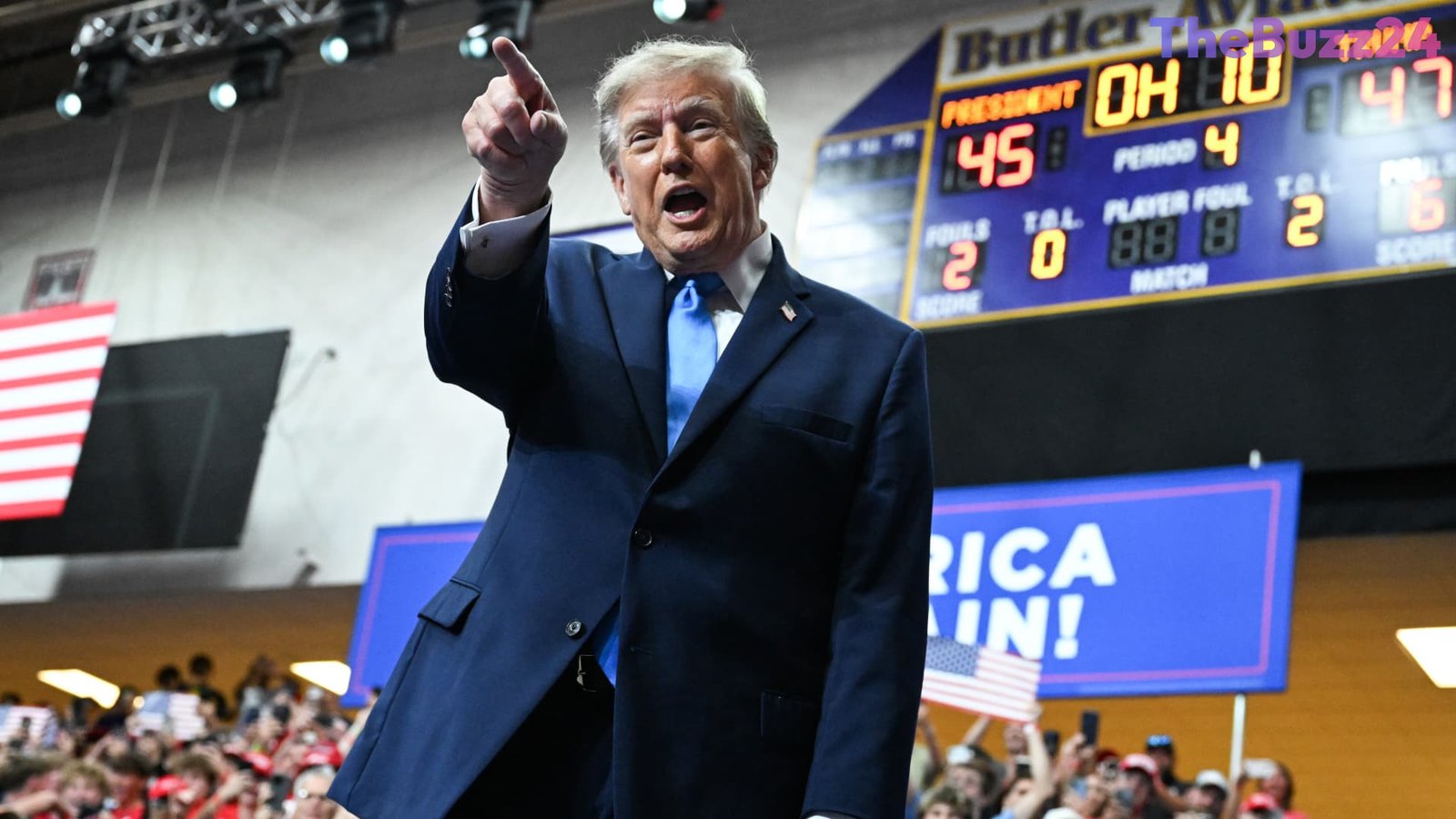
During a high-stakes political rally in Ohio, former and current leaders gathered to rally conservative support ahead of the upcoming midterm elections. Addressing a passionate crowd in Vandalia, the administration’s leading figure delivered a sharp-tongued speech combining aggressive rhetoric against political opponents with explicit conditional promises regarding federal funding and state collaboration.
The event served as a major platform for key Republican candidates, including U.S. Senate hopeful Jon Husted and gubernatorial candidate Vivek Ramaswamy, both of whom are locked in fierce, highly expensive electoral battles. The political climate in Ohio has tightened significantly as voters grapple with persistent economic pressures, notably rising gasoline costs and broader cost-of-living concerns that have influenced national polling trends.
Highlighting the state’s strategic importance in determining control of Congress, the prominent political figure warned that a shift in legislative power could severely hinder Ohio’s access to presidential cooperation and financial backing. While conservative hopefuls relied heavily on the rally to energize their base and motivate hesitant voters, local independent voices voiced ongoing anxieties regarding inflation, economic stability, and localized development projects like data centers.
Outside the venue, contrasting opinions from young voters and community members underscored the deep divisions and economic anxieties defining the current election cycle. With millions of dollars flooding into the state’s political arena, Ohio remains one of the nation’s most intensely contested battlegrounds, carrying massive implications for the legislative balance of power in Washington.
Key Takeaways
- A prominent political rally in Ohio highlighted high-stakes midterm races for key Republican candidates including Jon Husted and Vivek Ramaswamy.
- The central political figure warned that federal assistance and administrative cooperation would depend heavily on Republican victories.
- Persistent economic pressures, such as rising gasoline prices and intense local debates over data centers, are shaping voter sentiment in this critical battleground state.
Editor’s Analysis & Impact
The Ohio midterm landscape serves as a critical bellwether for the broader national political climate. As economic headwinds—including elevated fuel costs and trade frictions—weigh on voter sentiment, the strategy of leveraging federal cooperation to incentivize local turnout highlights the intense polarization defining contemporary American politics. The massive financial influx into the state’s Senate and gubernatorial races underscores how pivotal Ohio remains for legislative control. Moving forward, the ability of candidates to address pragmatic economic grievances while navigating divisive cultural and infrastructure debates will likely determine the ultimate balance of power in Washington, setting a precedent for future regional campaigns.
Frequently Asked Questions
Q: Which key Ohio races were highlighted during the recent political rally?
A: The rally heavily featured Republican candidates Jon Husted, running for the U.S. Senate, and Vivek Ramaswamy, running for governor.
Q: What major economic concerns are influencing voters in Ohio?
A: Voters are primarily concerned with rising gasoline prices, the cost of living, and localized debates surrounding infrastructure projects like data centers.
Q: How did the featured speaker address the possibility of a Democratic victory in the state?
A: The speaker warned that a Democratic win in key races would result in a lack of federal cooperation and assistance for the state.
AI Disclosure: This article is based on verified data and official reports. Our Team and AI have cross-referenced every financial detail with primary sources to ensure total accuracy.
More from this Category