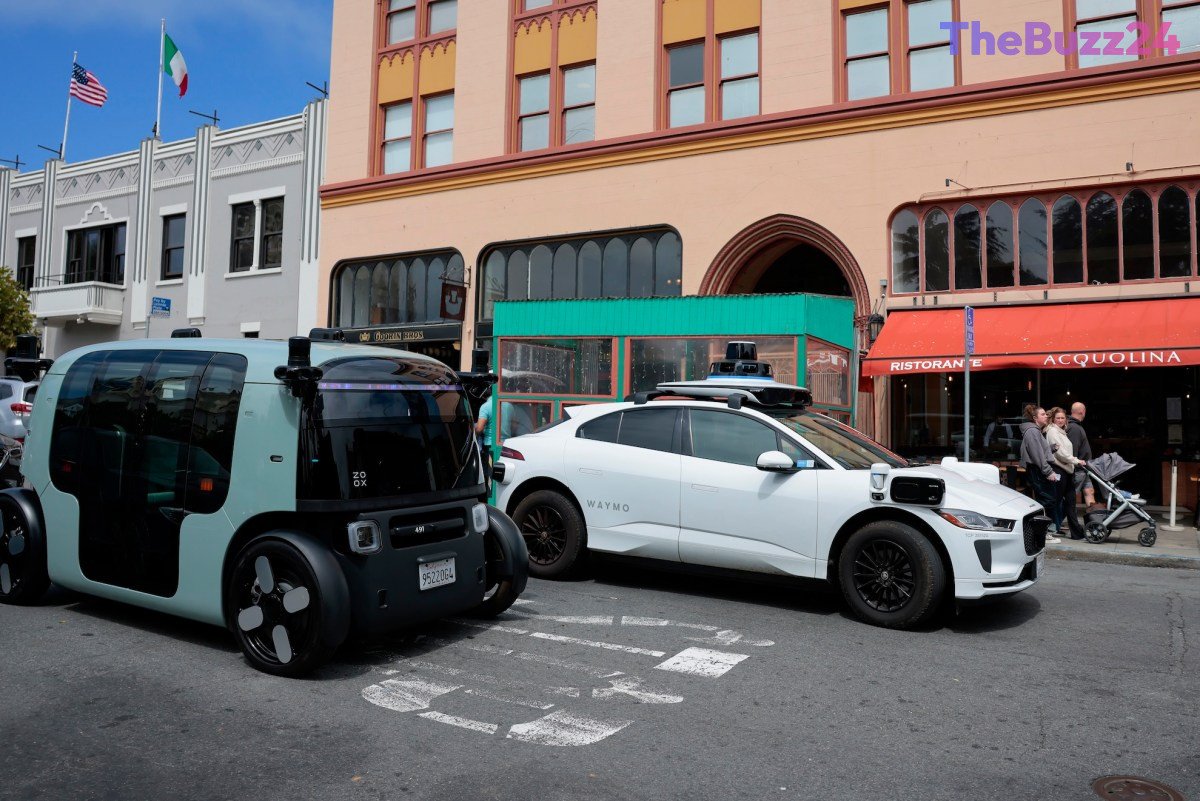
California Enacts Stricter Oversight for Autonomous Vehicles Amid Safety Concerns
California has officially moved to tighten regulations surrounding autonomous vehicles (AVs) following a series of high-profile incidents where robotaxis obstructed traffic and interfered with emergency response operations. Governor Gavin Newsom recently signed Senate Bill 1246 into law, establishing a comprehensive framework designed to enhance public safety and ensure that AV companies remain accountable for their fleet’s behavior on public roads.
Under the new legislation, companies operating autonomous fleets—including major industry players like Waymo, Tesla, and Zoox—are now required to provide localized, on-the-ground support teams to assist first responders during incidents. The law mandates that if an autonomous vehicle blocks police or fire services for more than 30 minutes, the operating company may face significant financial penalties. Furthermore, the bill requires that all remote operators be based within the United States and hold valid U.S. driver’s licenses, ensuring a higher standard of oversight for remote vehicle management.
Beyond immediate incident response, the law mandates that AV developers maintain transparent communication with local jurisdictions regarding the status and location of vehicles during system-wide failures. By requiring the presence of local incident technicians, the state aims to mitigate the chaos caused by disabled vehicles. While the Department of Motor Vehicles is tasked with finalizing the regulatory details, the law is set to take full effect in July 2028, marking a pivotal shift in how the state balances technological innovation with public safety.
Key Takeaways
- Senate Bill 1246 mandates that AV companies provide on-the-ground support to first responders and face penalties for blocking emergency services for over 30 minutes.
- Remote operators for autonomous fleets must now be based in the U.S. and hold a valid U.S. driver's license.
- The new regulations require AV developers to notify local authorities of vehicle status during system-wide failures, with full implementation scheduled for July 2028.
Editor’s Analysis & Impact
The passage of Senate Bill 1246 represents a critical inflection point for the autonomous vehicle industry. By codifying accountability, California is signaling that the ‘wild west’ phase of AV testing is coming to an end. For companies like Waymo and Tesla, this increases operational costs, as they must now maintain a physical, local presence in every jurisdiction they serve. However, this regulation may ultimately benefit the industry by fostering public trust and providing a clear legal roadmap for expansion. The broader implication is a potential ripple effect; as California sets these standards, other states are likely to adopt similar frameworks, creating a more uniform, albeit more heavily regulated, national landscape for autonomous transportation. The industry must now pivot from pure innovation to operational reliability and regulatory compliance.
Frequently Asked Questions
Q: When does the new California autonomous vehicle law go into effect?
A: The new regulations established by Senate Bill 1246 are scheduled to take full effect in July 2028.
Q: What happens if an autonomous vehicle blocks emergency responders under the new law?
A: If an autonomous vehicle obstructs police or firefighters for more than 30 minutes, the operating company may be subject to financial penalties.
AI Disclosure: This article is based on verified data and official reports. Our Team and AI have cross-referenced every financial detail with primary sources to ensure total accuracy.
More from this Category