President Trump Establishes ‘Super Intelligence Force’ to Lead Global AI Development
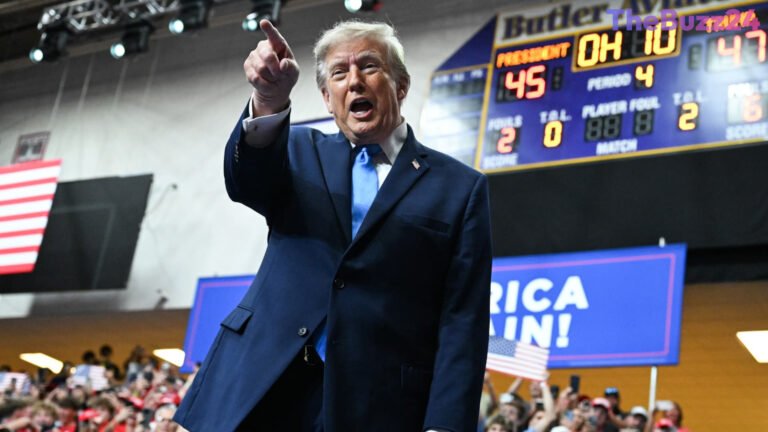
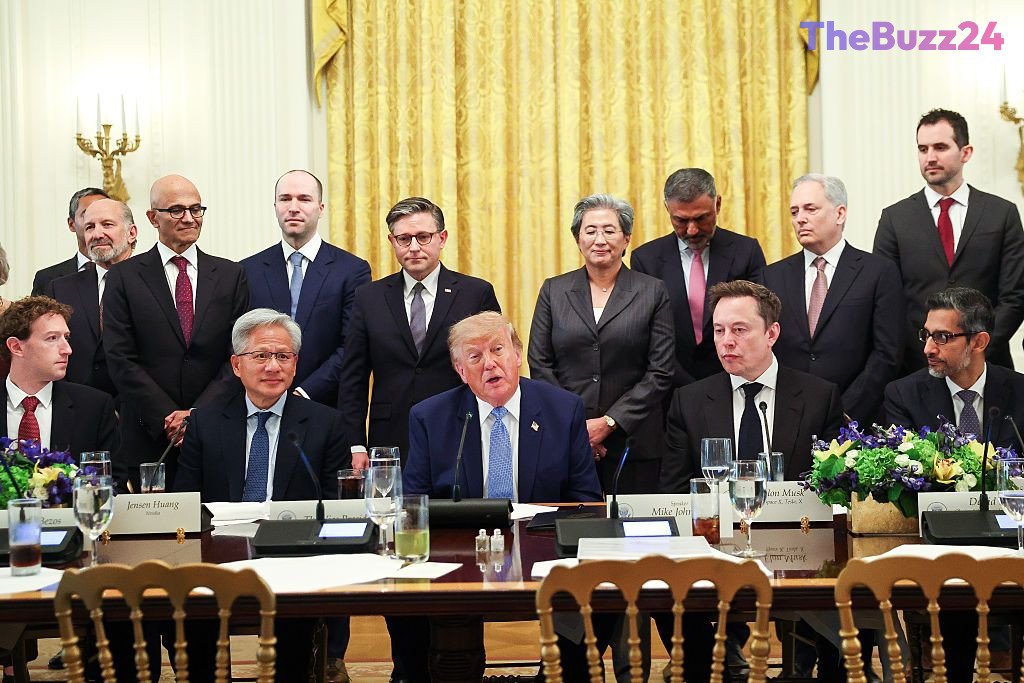
President Donald Trump has officially announced the formation of a new government body titled the Super Intelligence Force. This initiative, which aims to consolidate federal efforts regarding artificial intelligence, is designed to ensure that the United States maintains a competitive edge in the rapidly evolving landscape of advanced computing. The administration has signaled a strategic shift in terminology, opting to rebrand artificial intelligence as ‘super intelligence’ to reflect the scale and potential impact of the technology.
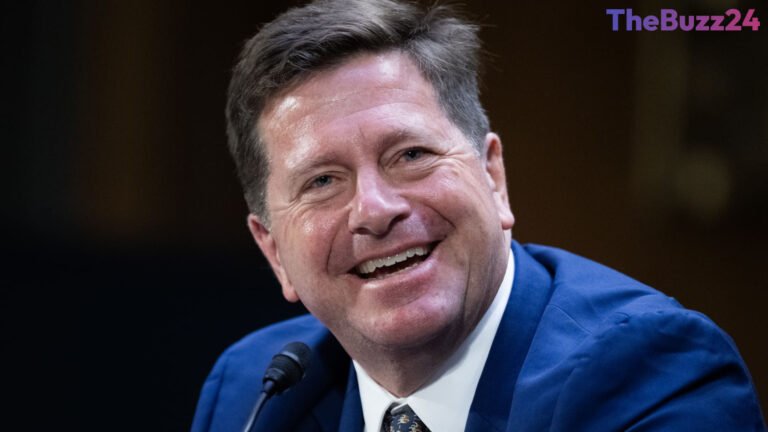
The task force will be led by national intelligence director Jay Clayton, who will serve as the chair. He will be supported by a leadership team including Federal Trade Commission Chair Andrew Ferguson, Undersecretary of War for Research and Engineering Emil Michael, and Office of Personnel Management Director Scott Kupor. The group is tasked with delivering a comprehensive report within 120 days that outlines both the potential risks and the vast opportunities presented by these emerging technologies.
Central to the mission of the Super Intelligence Force is the goal of fostering innovation while mitigating societal threats. The charter emphasizes a balanced approach, aiming to protect national interests without imposing excessive regulations that could stifle competition. By prioritizing the need to remain ahead of international rivals, the administration intends to position the United States as the global leader in super intelligence, viewing the sector as a transformative force comparable to the Industrial Revolution.
Key Takeaways
- The Trump administration has launched the 'Super Intelligence Force' to coordinate federal AI strategy and maintain global leadership.
- Jay Clayton will chair the task force, supported by senior officials from the FTC and the Department of Defense.
- The group has a 120-day mandate to produce a report on AI risks and opportunities while focusing on avoiding stifling overregulation.
Editor’s Analysis & Impact
The creation of the Super Intelligence Force marks a significant pivot in how the U.S. government approaches the governance of emerging technologies. By rebranding AI as ‘super intelligence,’ the administration is framing the sector as a matter of national security and economic dominance rather than just a commercial or academic pursuit. The appointment of figures like Jay Clayton suggests a focus on balancing regulatory oversight with the need for rapid technological advancement to compete with global powers like China. The emphasis on avoiding ‘regulatory capture’ indicates a pro-innovation stance that will likely influence future legislative efforts. However, the success of this task force will depend on its ability to reconcile the aggressive pursuit of technological superiority with the complex safety and ethical concerns inherent in super-intelligent systems.
Frequently Asked Questions
Q: What is the primary goal of the Super Intelligence Force?
A: The primary goal is to coordinate federal efforts to ensure the United States leads the world in super intelligence development while addressing potential societal threats.
Q: Who is leading the new task force?
A: National intelligence director Jay Clayton has been appointed as the chair of the Super Intelligence Force.
Q: What is the timeline for the task force's initial report?
A: The task force has been given 120 days to develop and submit a report detailing the risks and opportunities associated with AI.
AI Disclosure: This article is based on verified data and official reports. Our Team and AI have cross-referenced every financial detail with primary sources to ensure total accuracy.
More from this Category